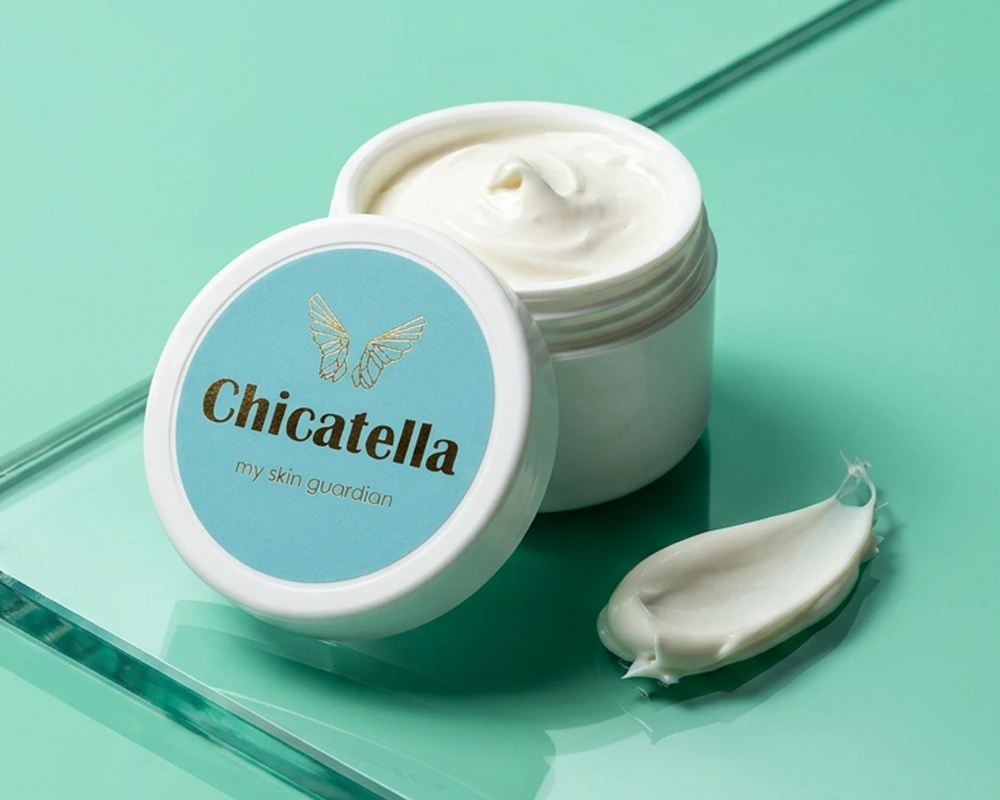
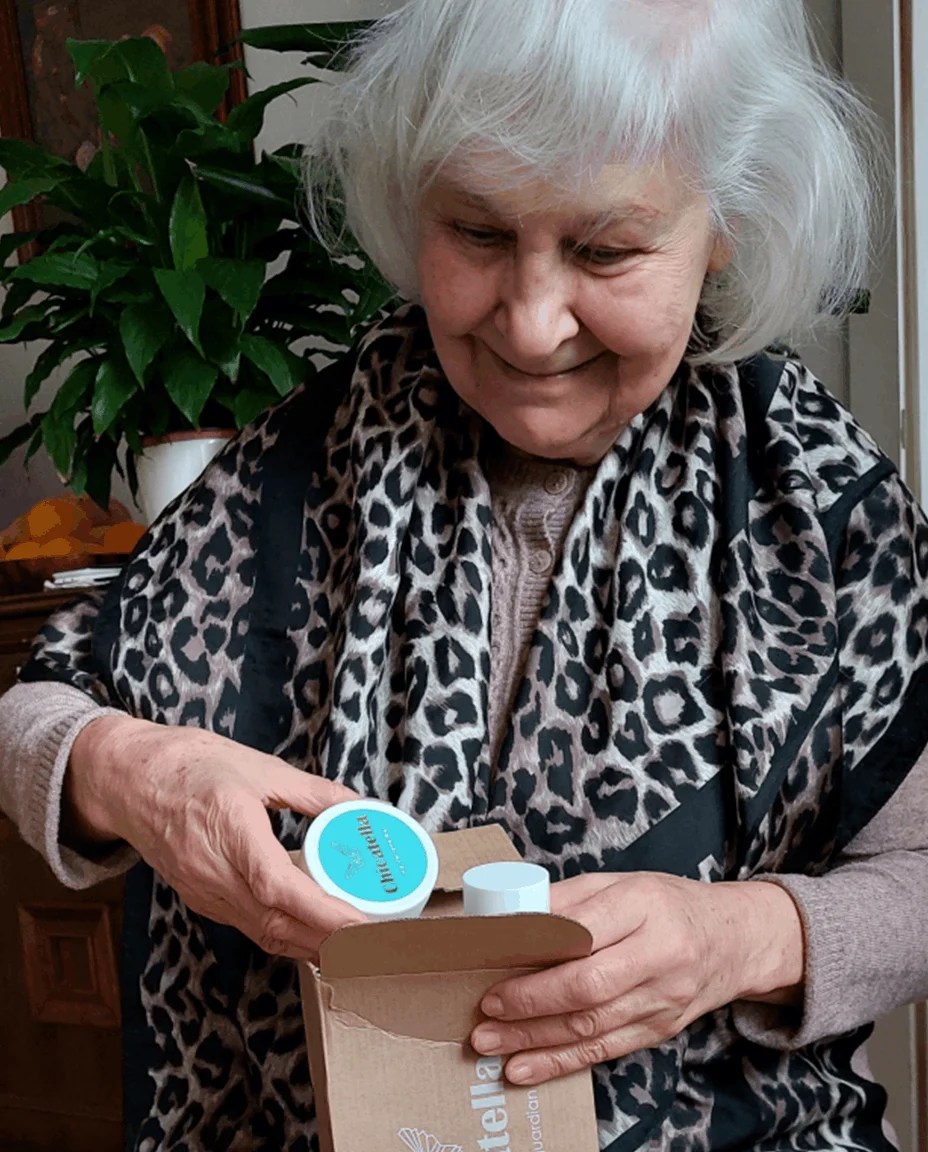
SOS Ointment · 50 ml / 1.7 fl ozfor eczema-prone, dry or cracked skin
★★★★★4.7 / 5 · 1,213 reviewsOur richest, longest-lasting protection for irritated, cracked, rough and very dry skin, from hands and heels to baby cheeks. It stands in for a struggling moisture barrier, and it’s microbiome-friendly.
carried out by

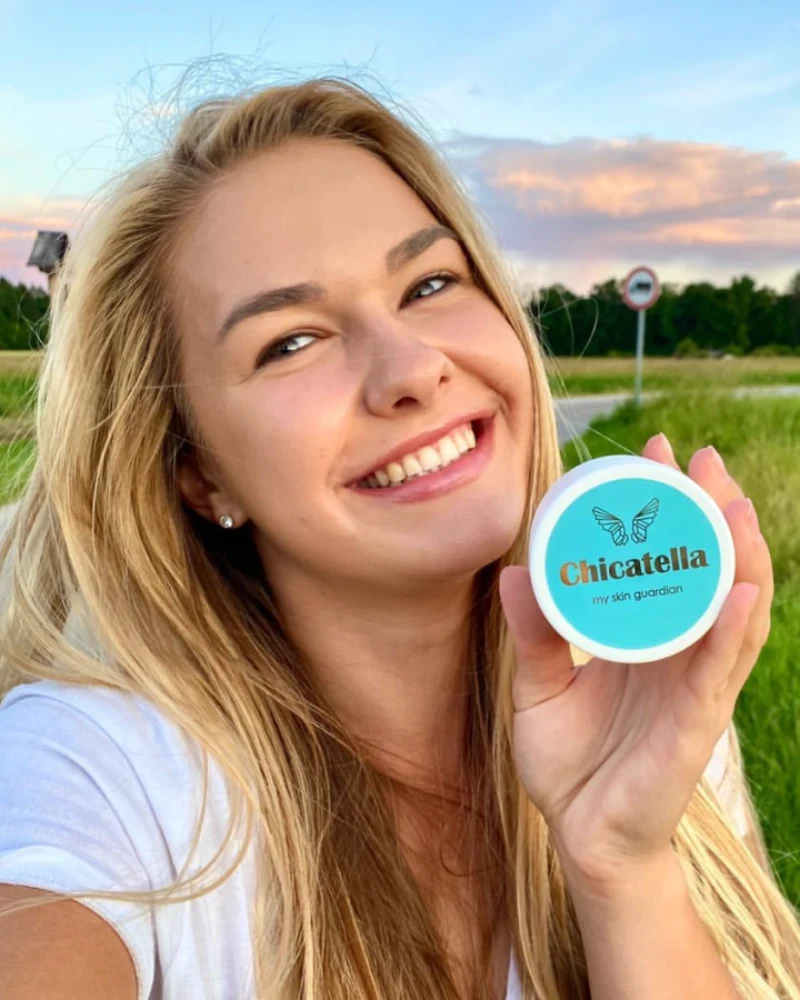
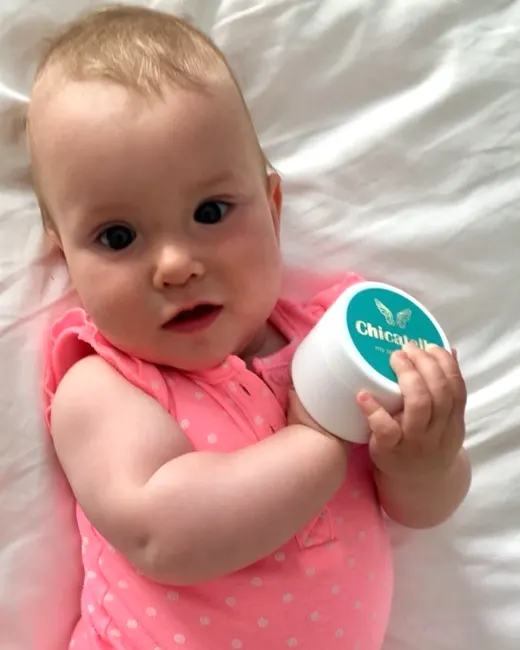
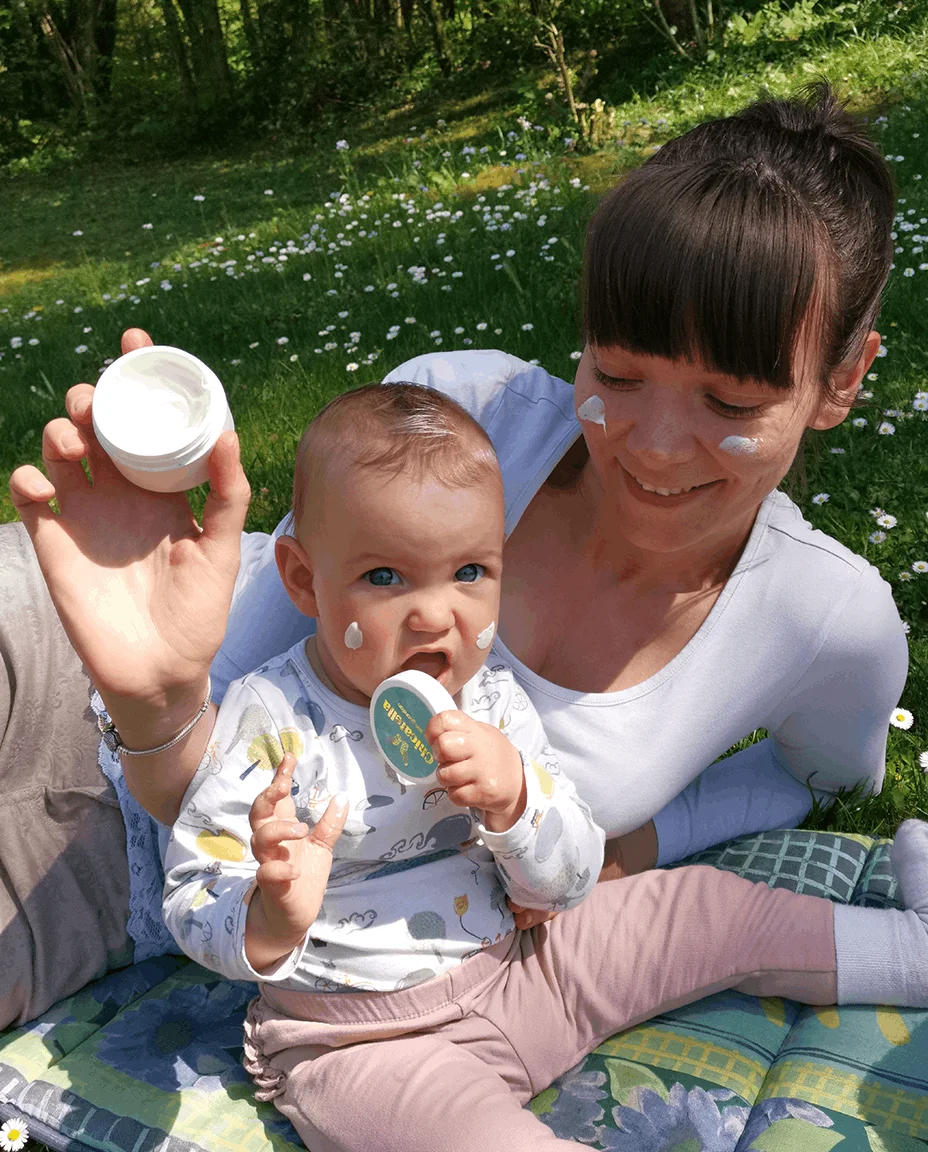
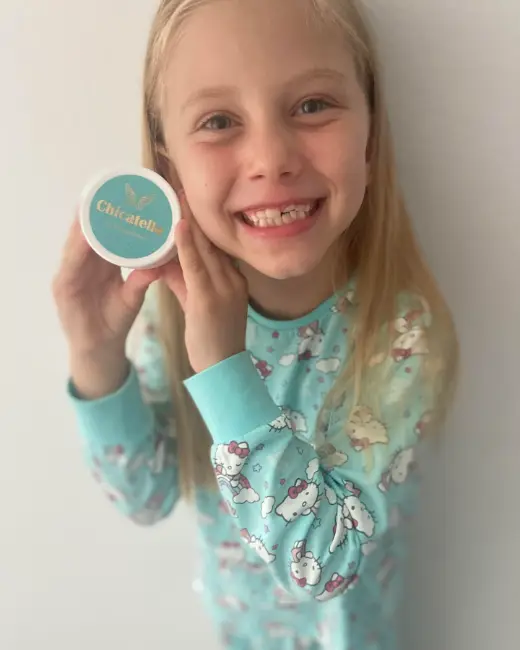
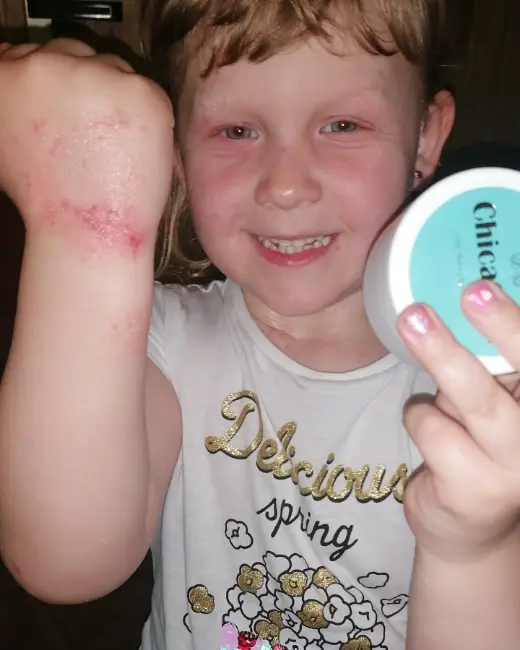
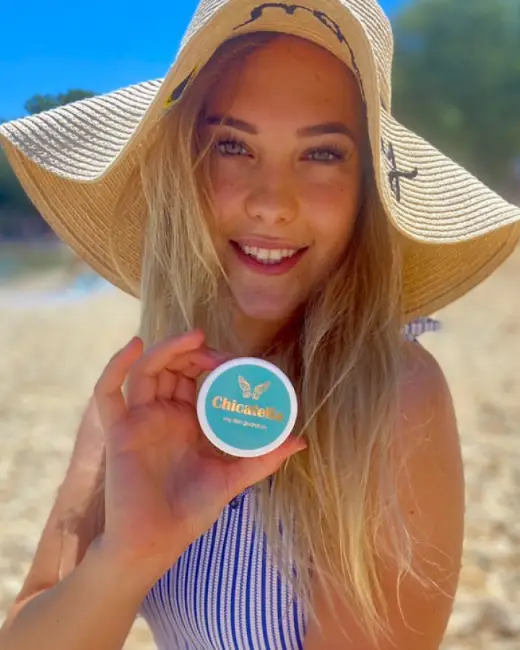
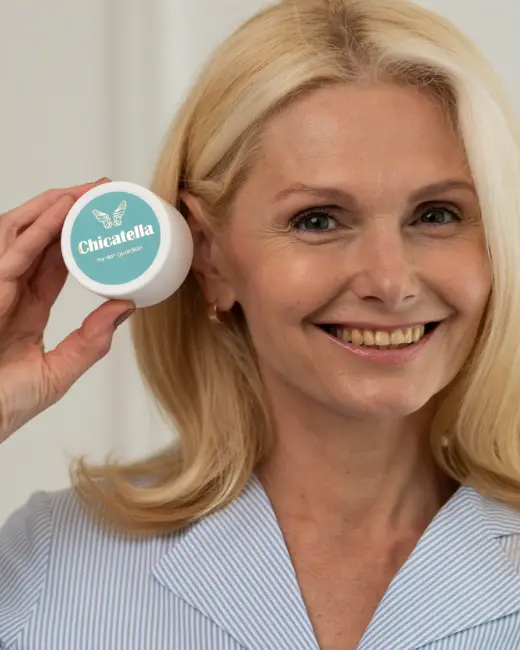
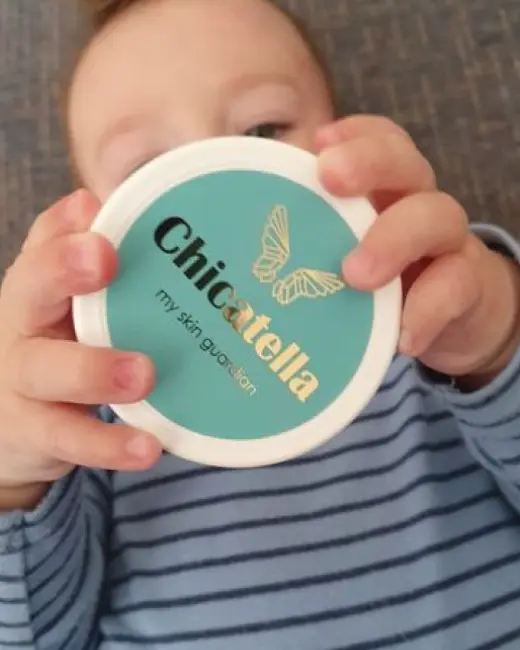
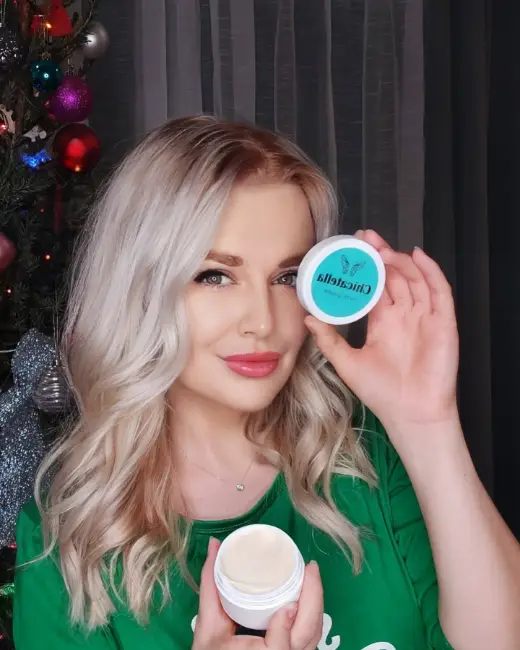
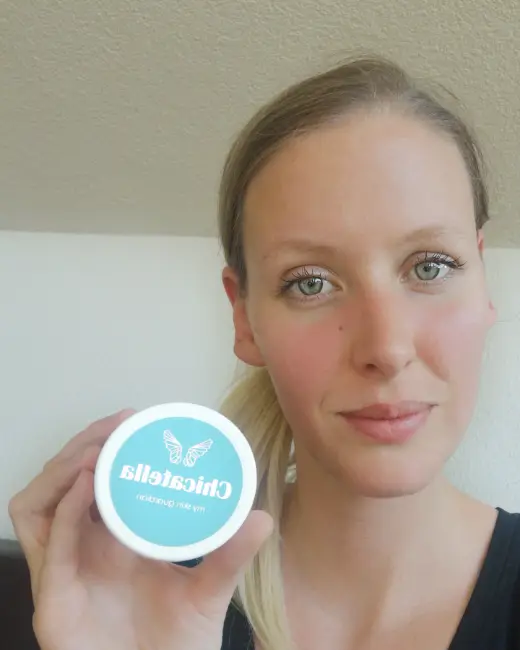
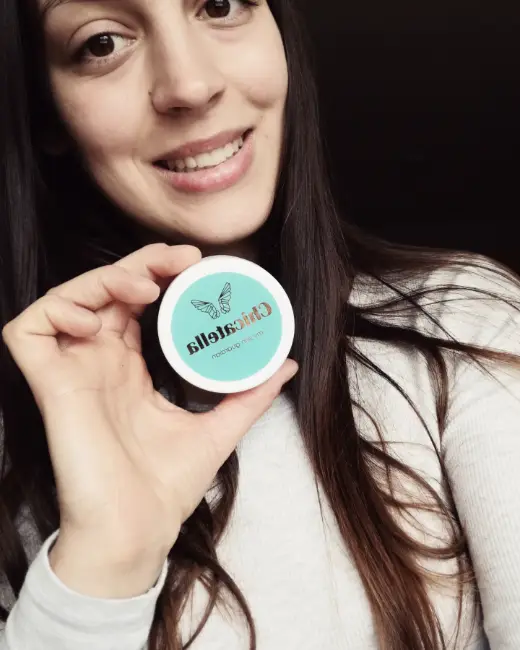
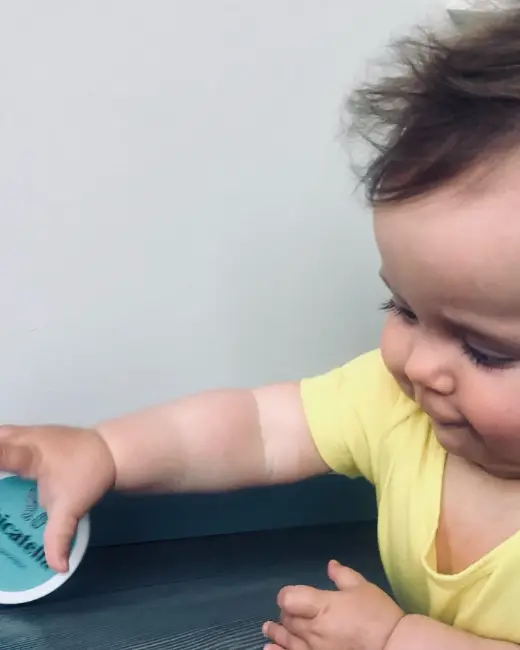
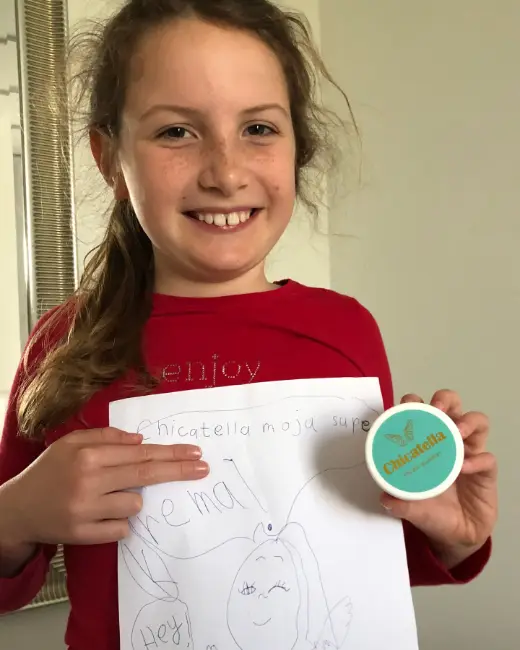
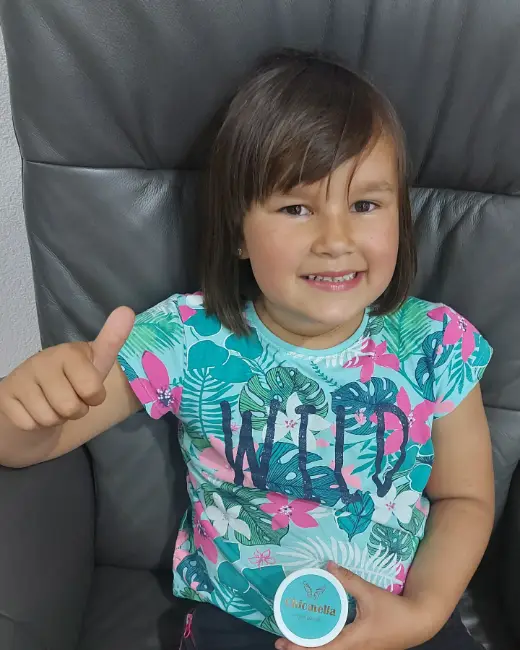
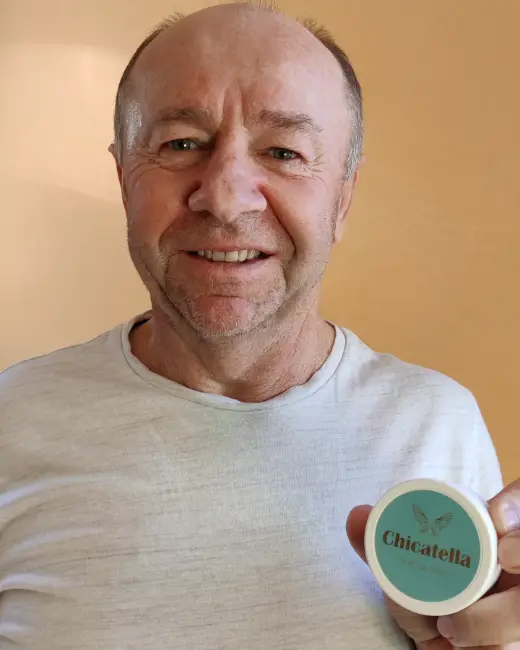
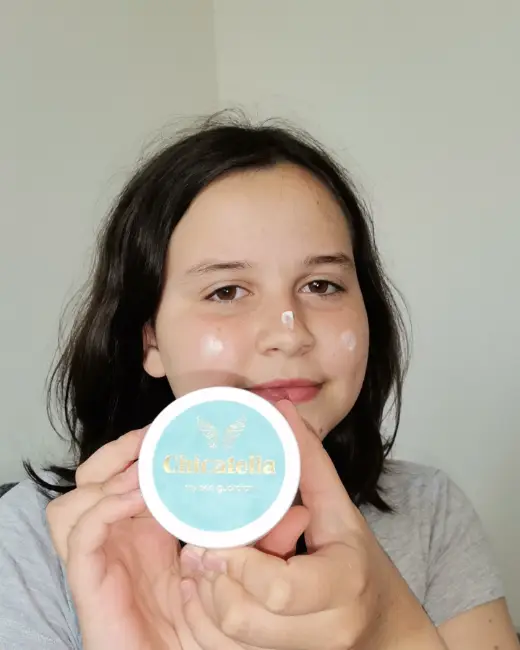
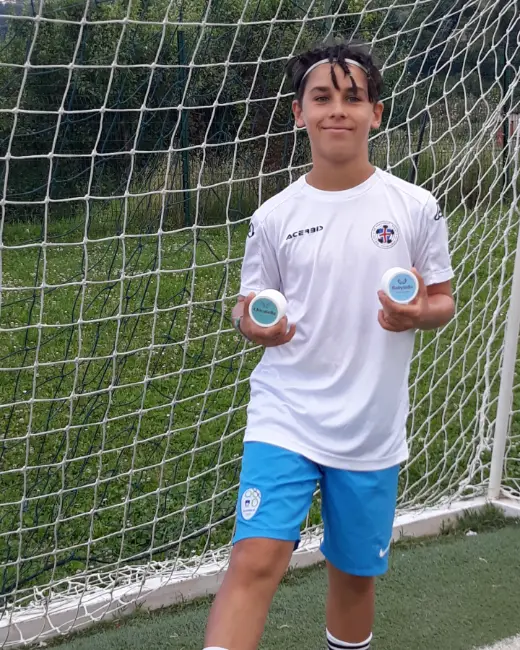
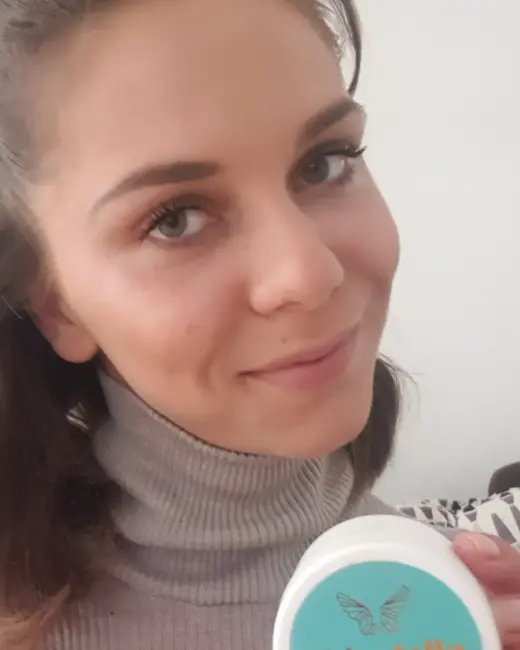
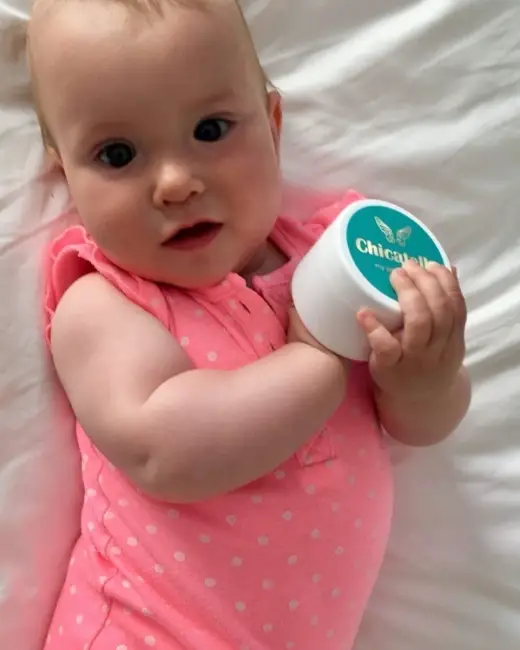
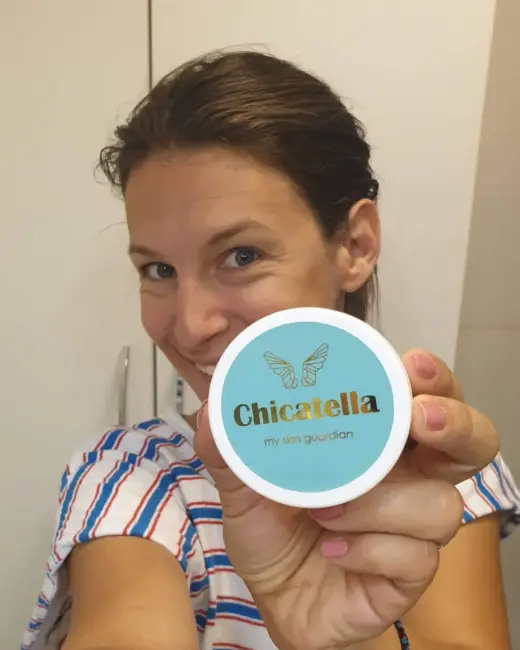
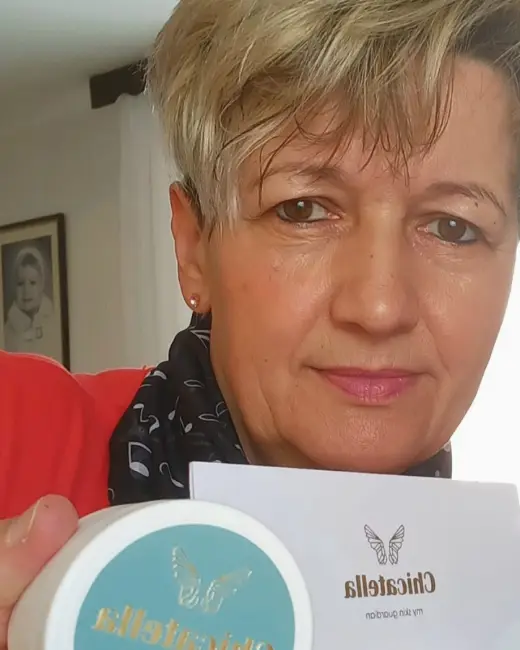
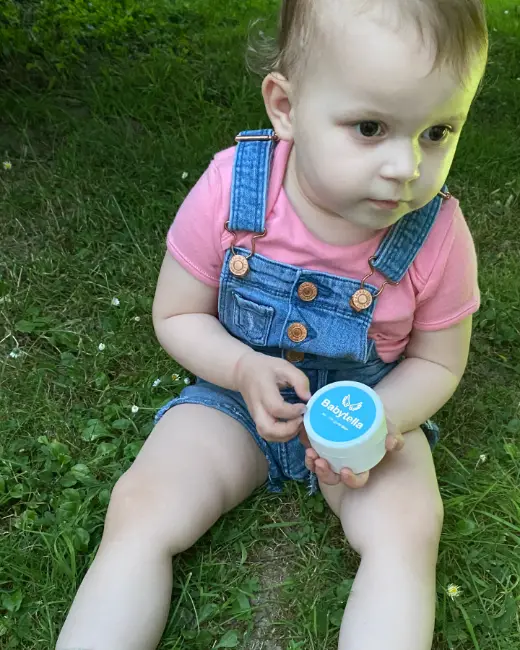
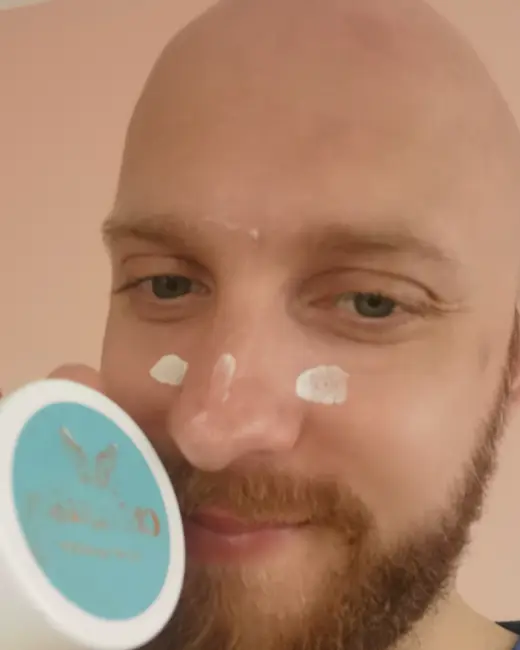
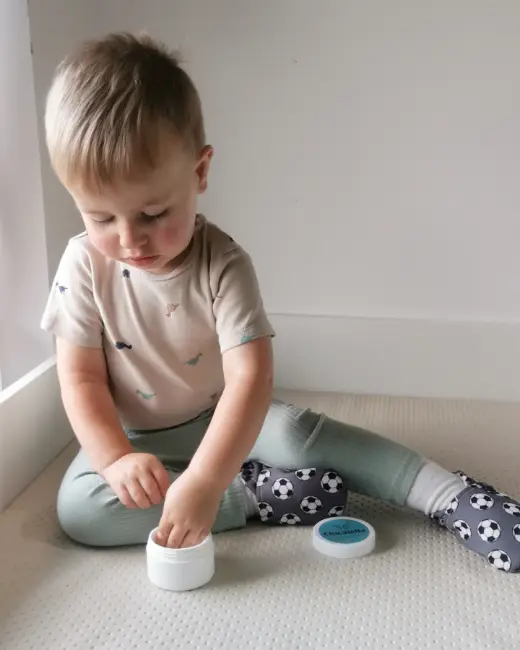
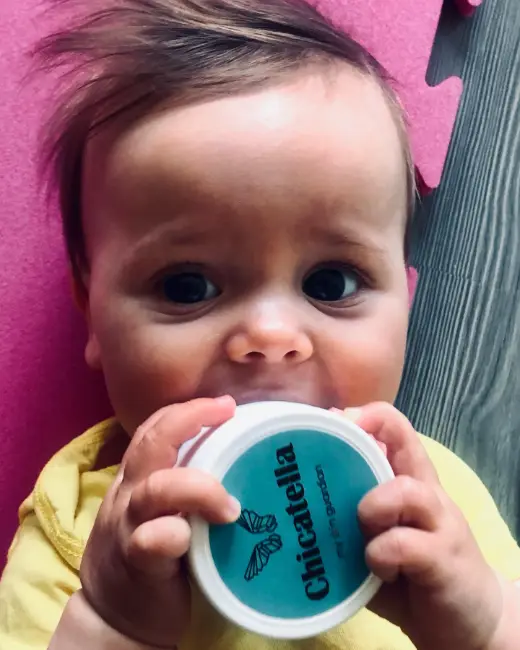
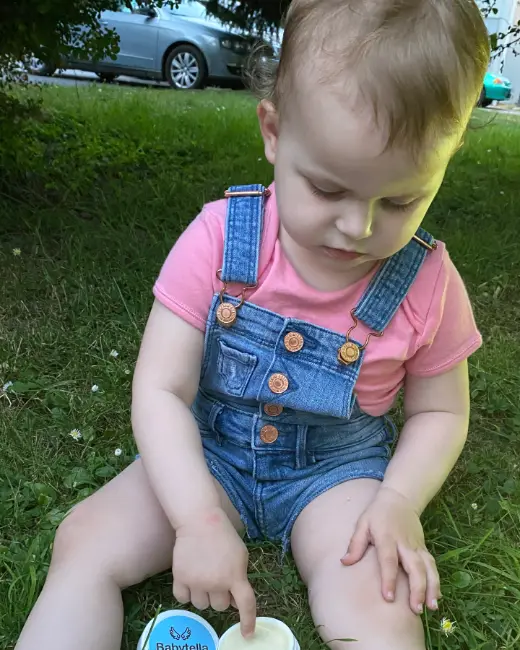
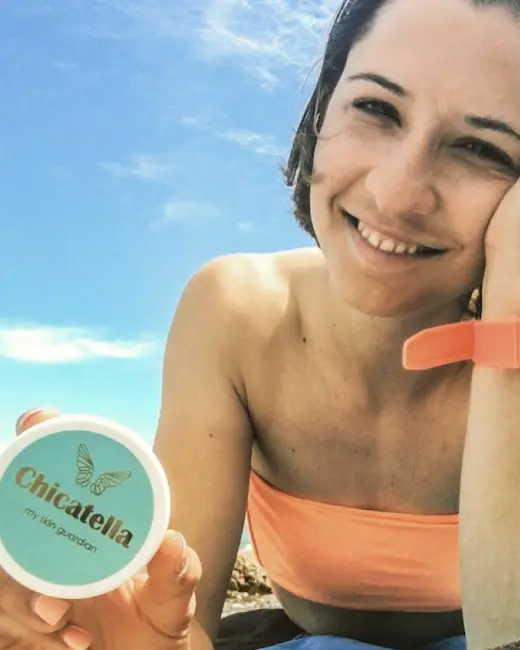
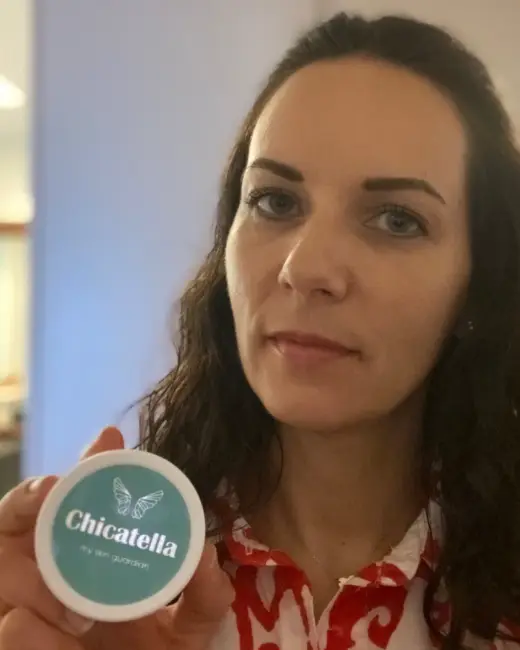
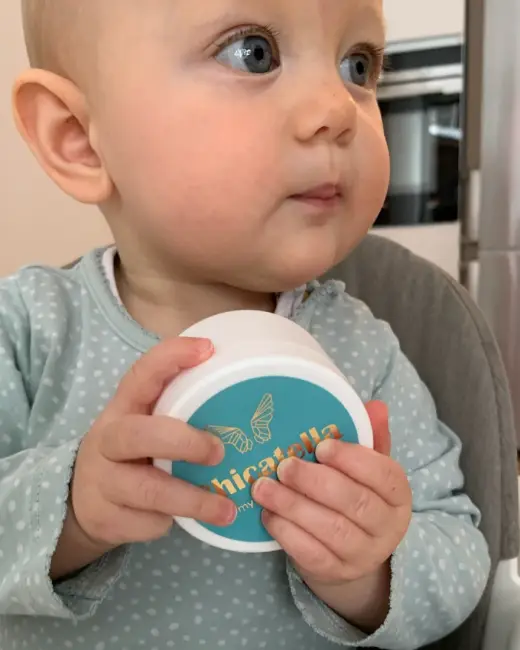
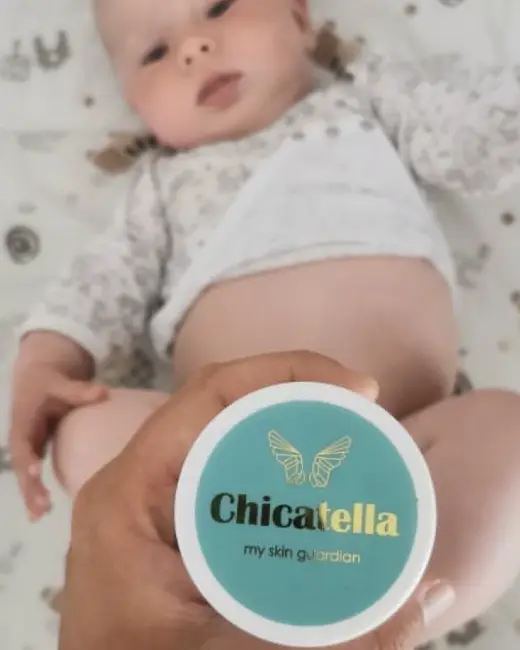
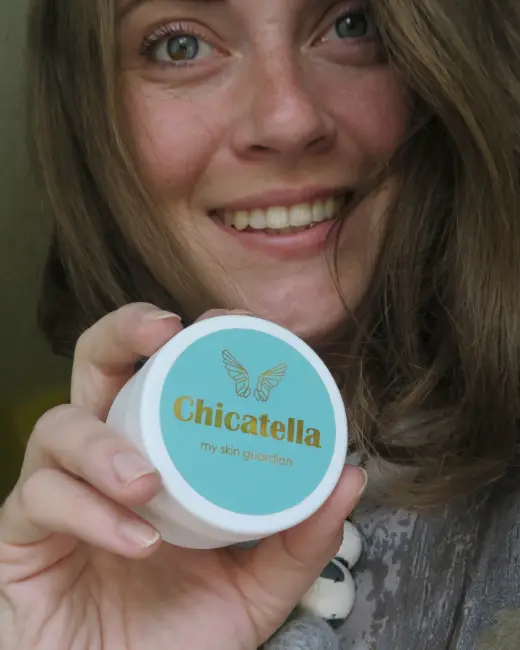
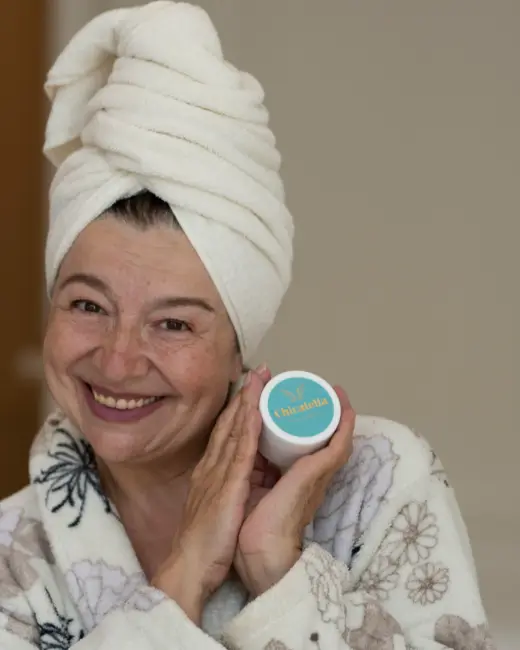
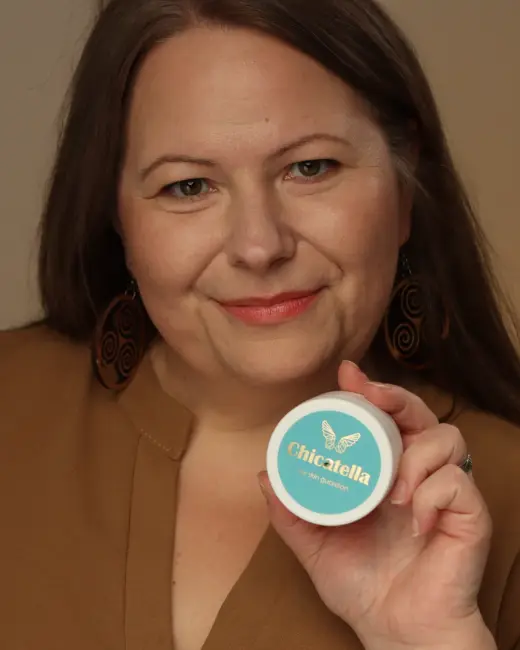
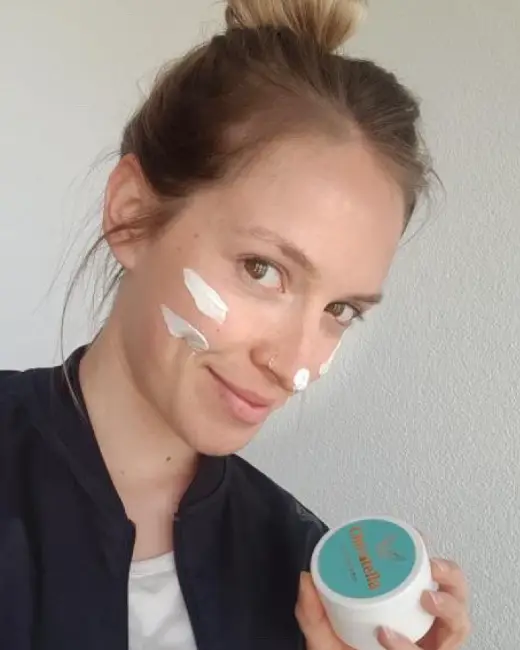
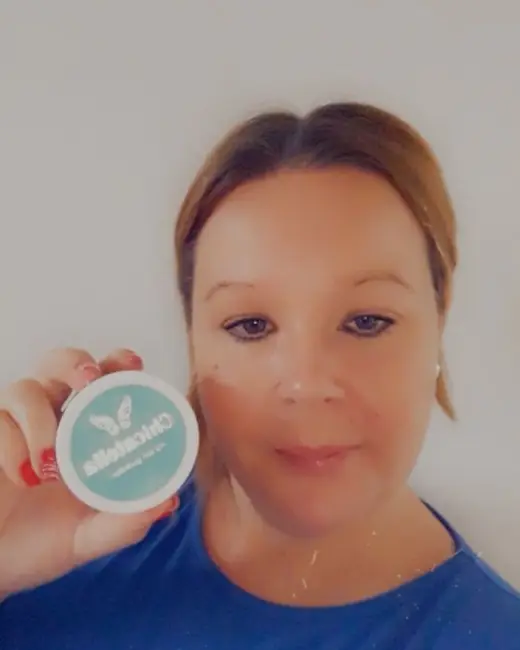
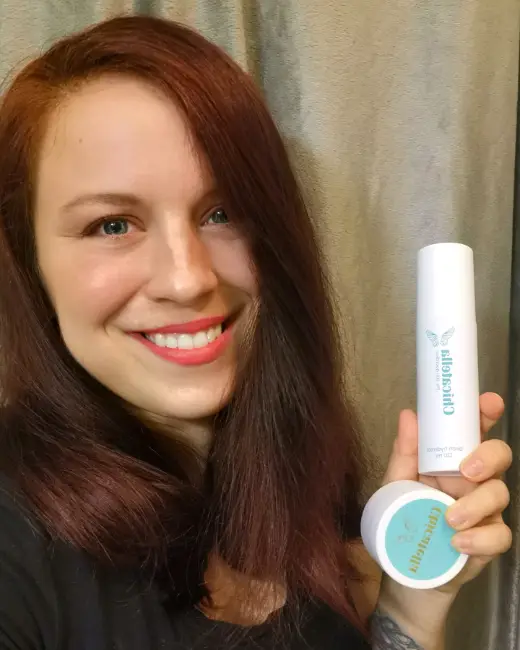
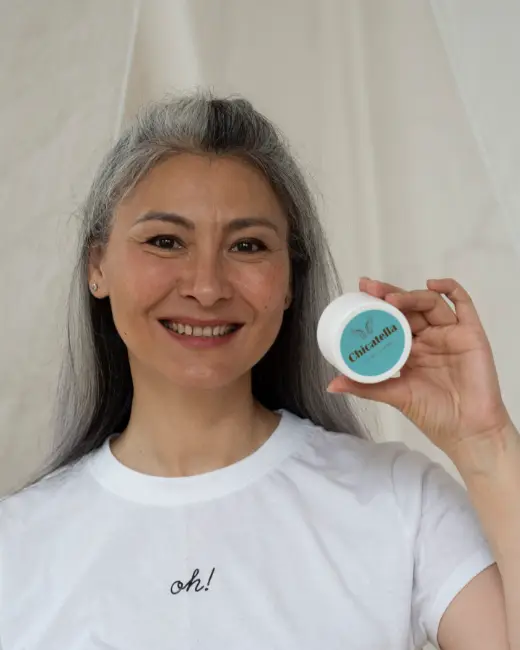
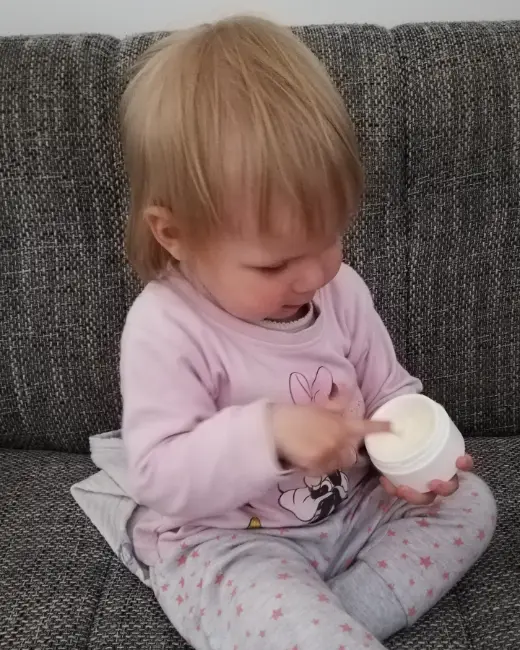
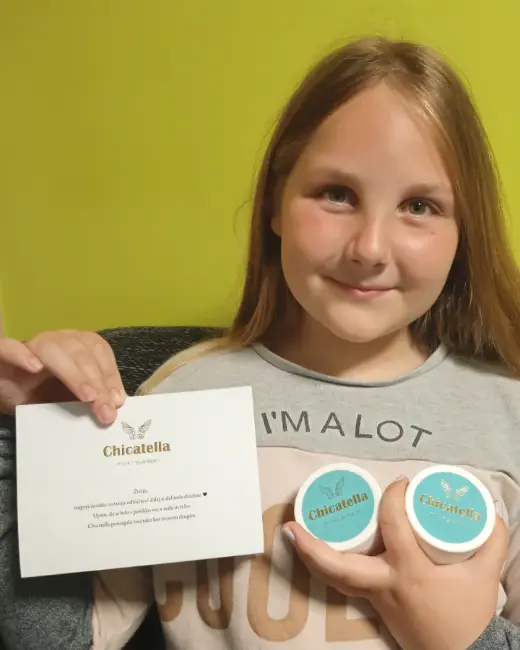
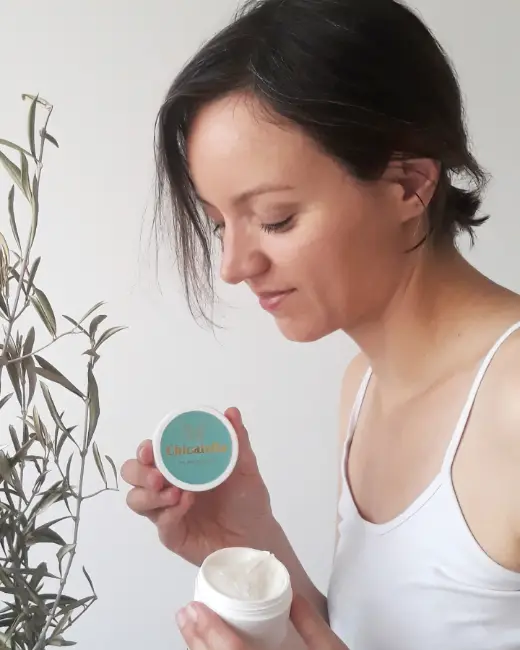
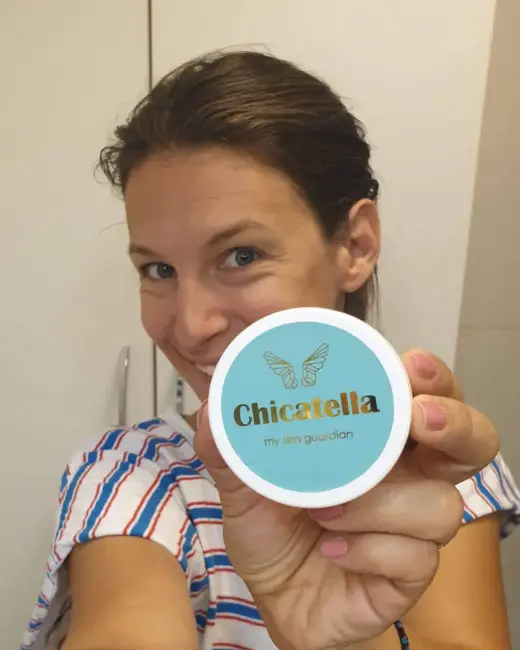
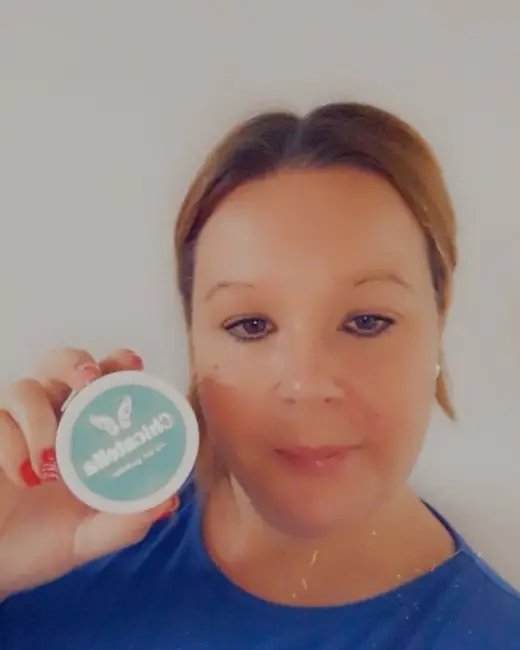
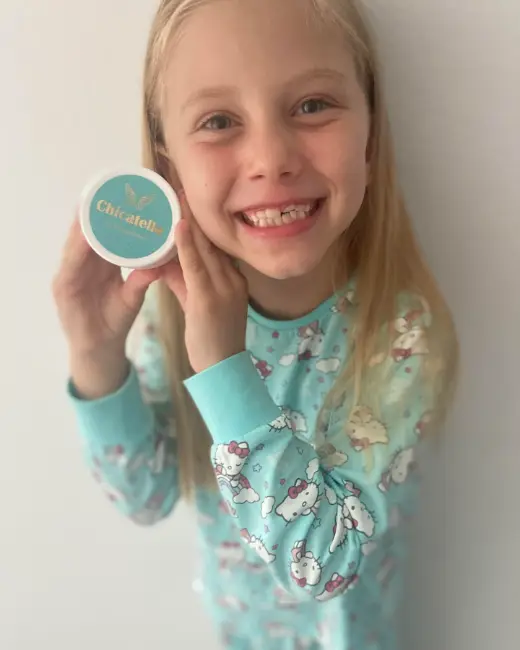
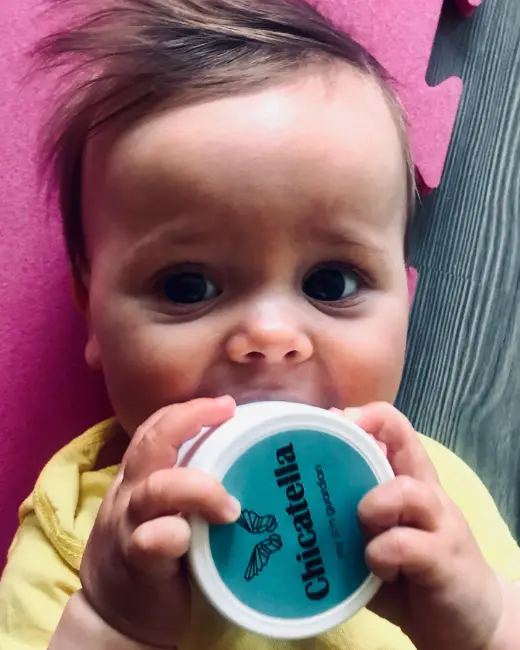
Look at these smiling faces.
Thank you to everyone who sends us photos!
You write to us and send photos every day. This is just a handful of the nearly 800 photos we’ve received so far.



It doesn’t just add moisture. It stands in for the barrier.
Very dry, cracked skin can’t hold on to water, which is why light creams don’t do much. SOS Ointment lays a protective, occlusive layer on your skin that takes over the moisture barrier’s job while the skin underneath recovers in peace.
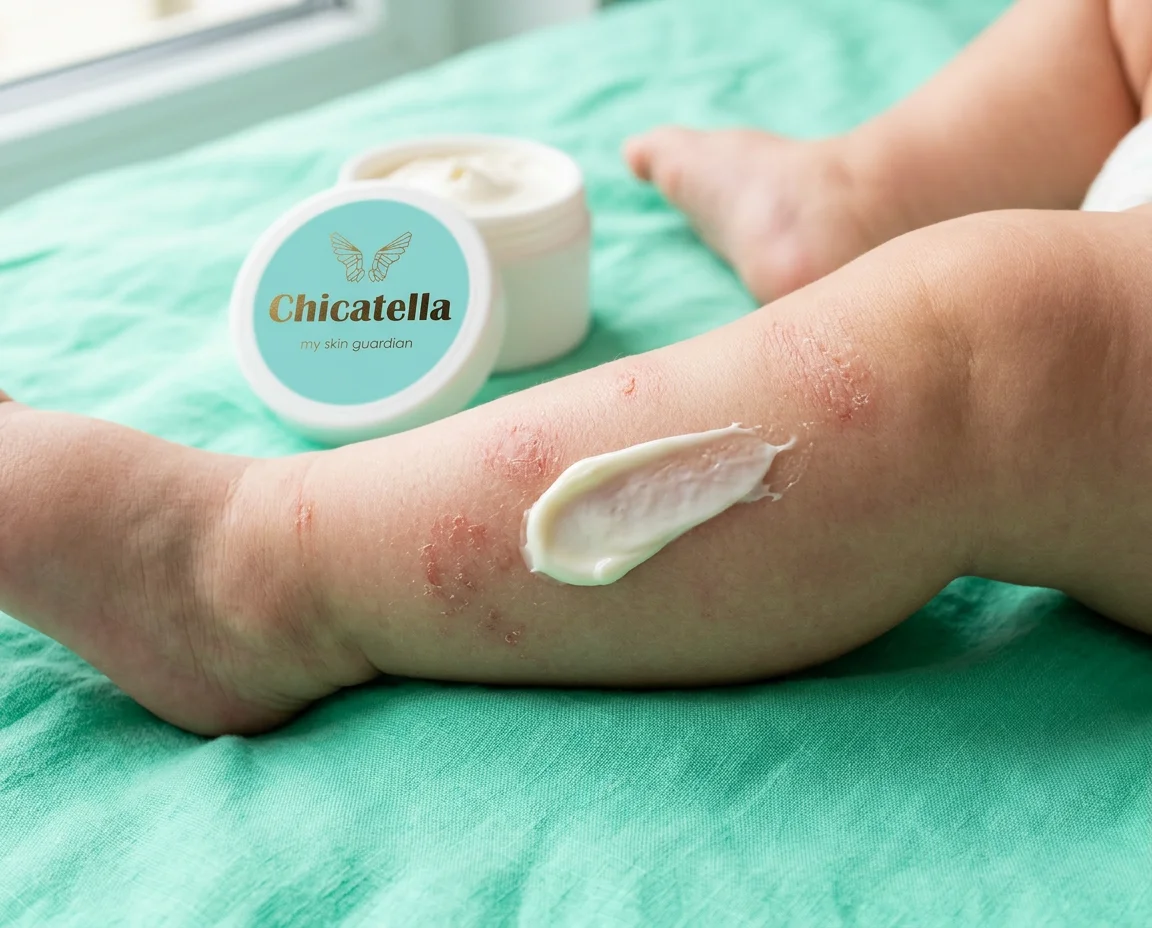
Water escapes through the cracks. A protective film stops it.
Very dry or eczema-prone skin can’t hold on to water. It leaks out through a damaged barrier faster than the skin can replace it. The ointment doesn’t fix that from the inside. It lays a stand-in layer on top and gives the skin underneath time to recover.
Water escapes through the cracks all day long. Skin gets tight, rough and sensitive to almost everything it touches.
Petrolatum and lanolin form a protective layer that takes over the moisture barrier’s job. Water stays in, irritants stay out.
A simplified illustration.
For anywhere your skin needs help fast
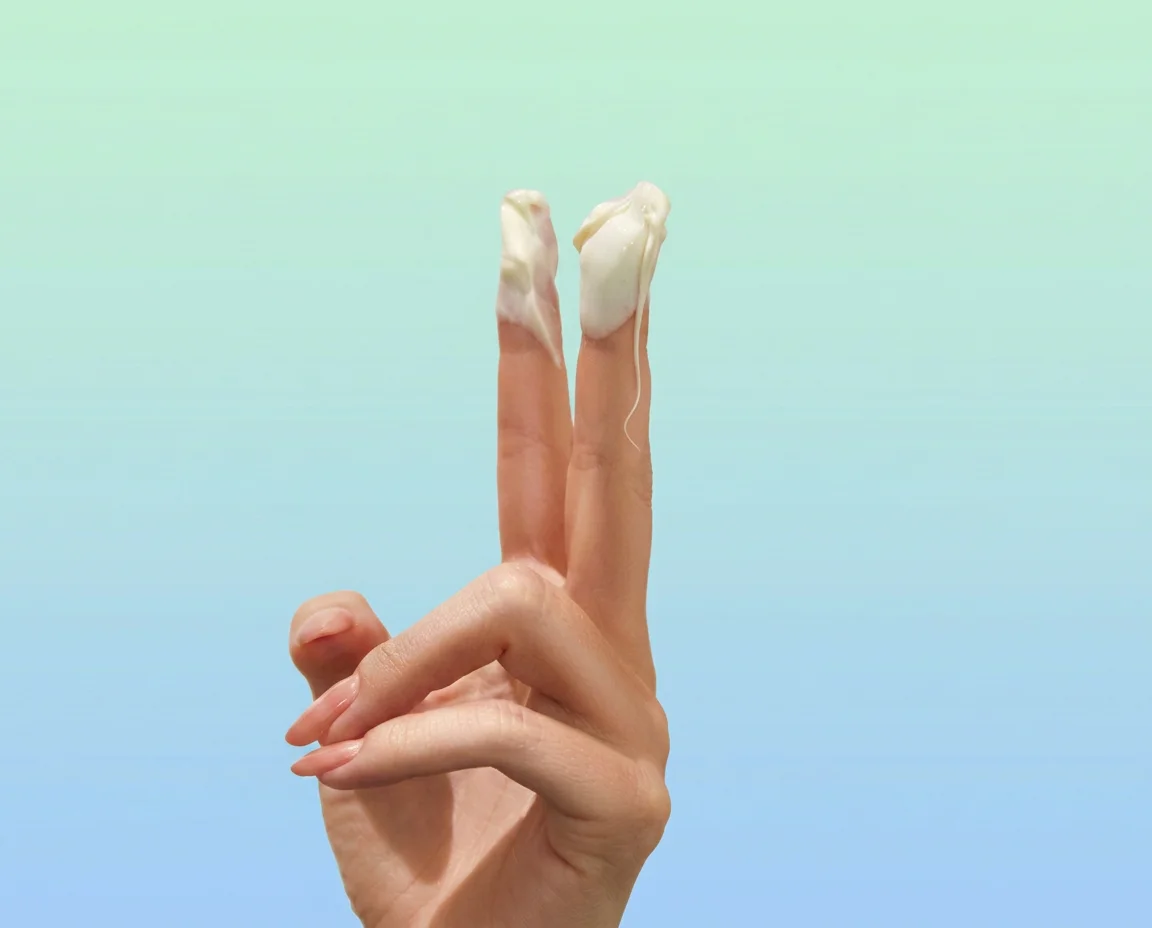
Thick and nourishing. On purpose.
Light creams vanish before your skin gets anything out of them. SOS Ointment stays put. That thickness is what forms the stand-in barrier and protects the areas that need more for longer.
How to use it
A pea-sized amount is enough for a palm-sized area. Warm it between your fingers.
Best right after washing or showering, so the protective layer locks the moisture in.
At night you can apply a thicker layer. Once your skin calms down, switch to daily care.
Real skin, real photos
Customer photos, shared with permission. Results vary from person to person.
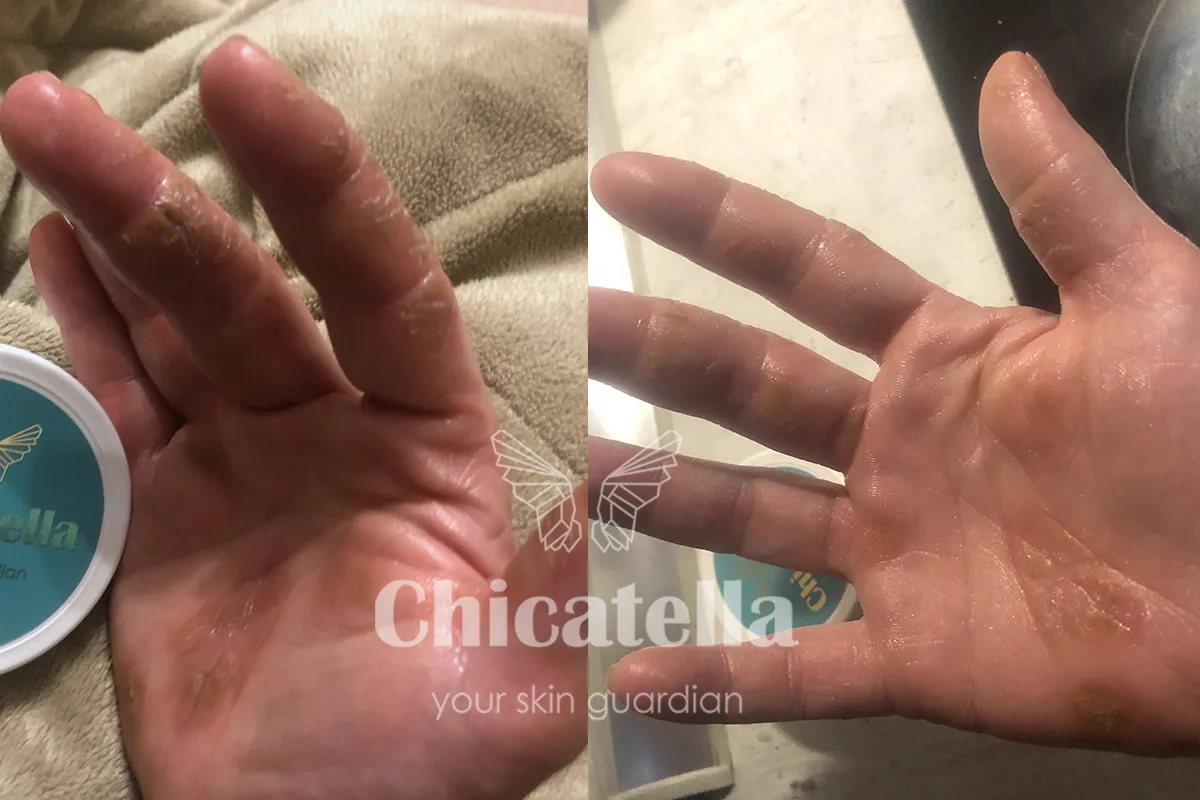
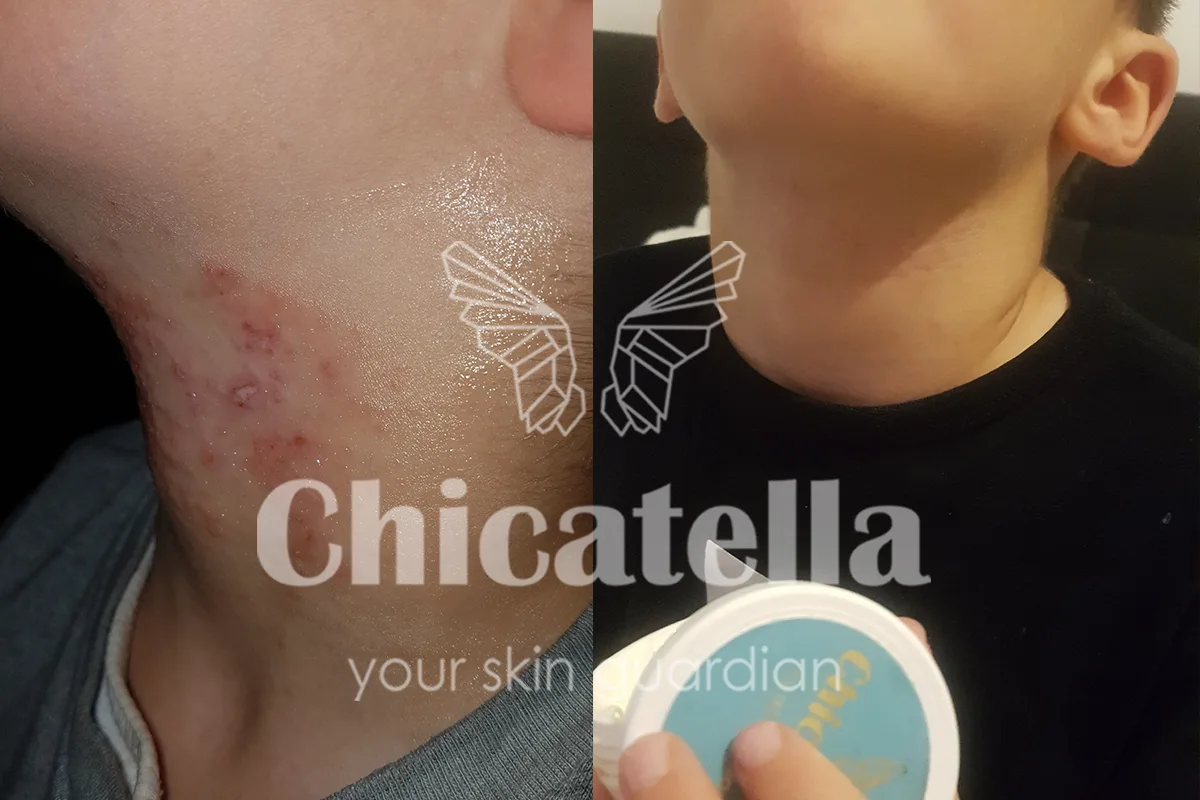
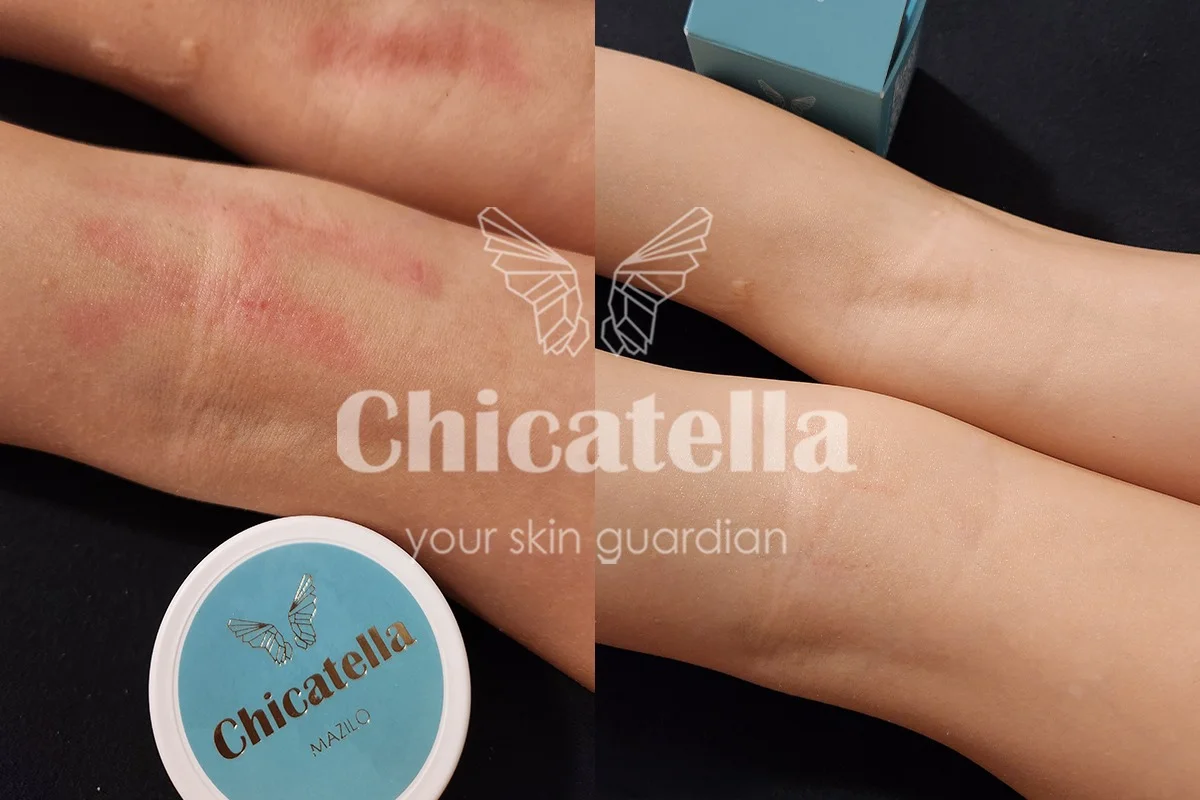
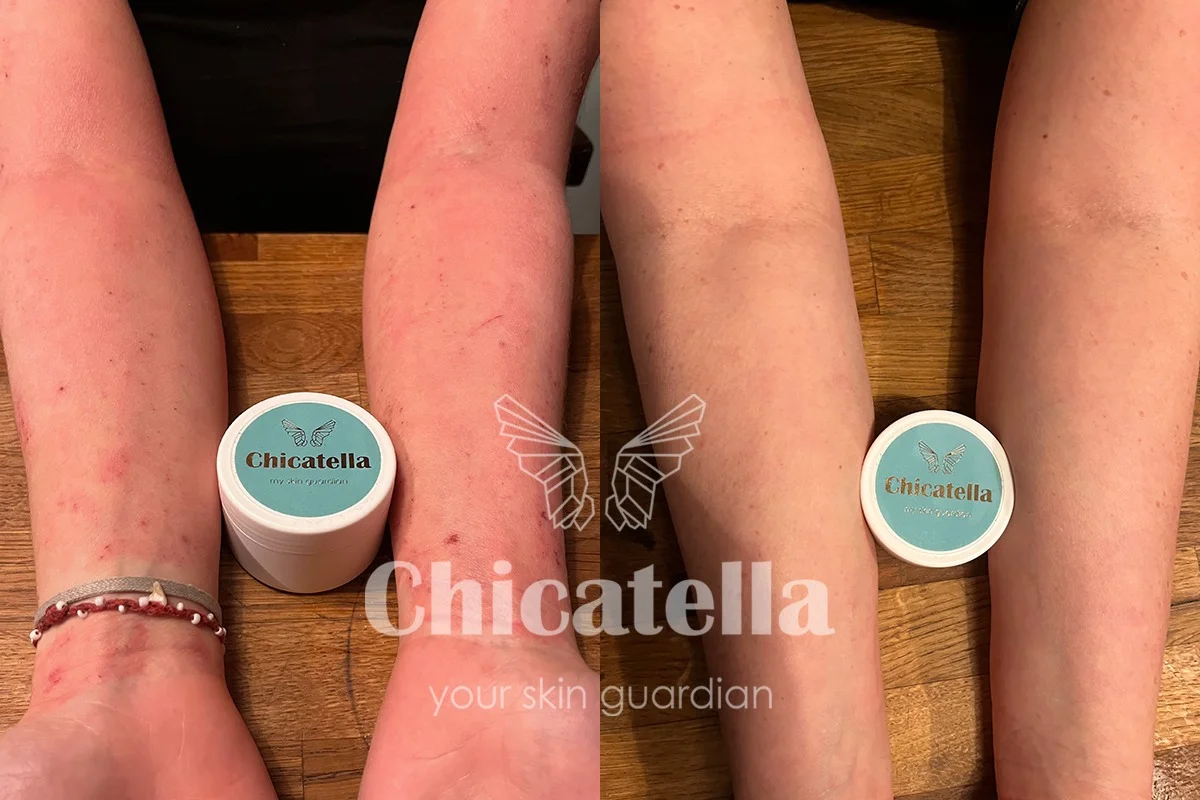
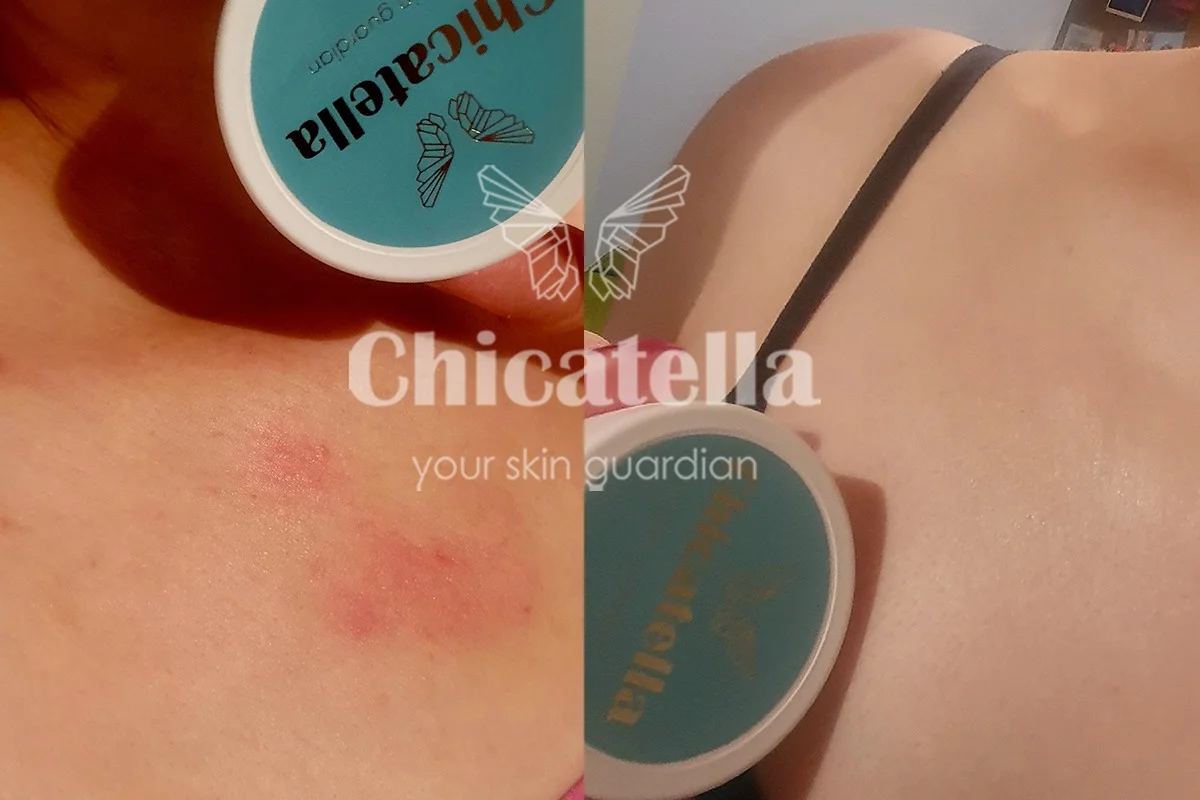
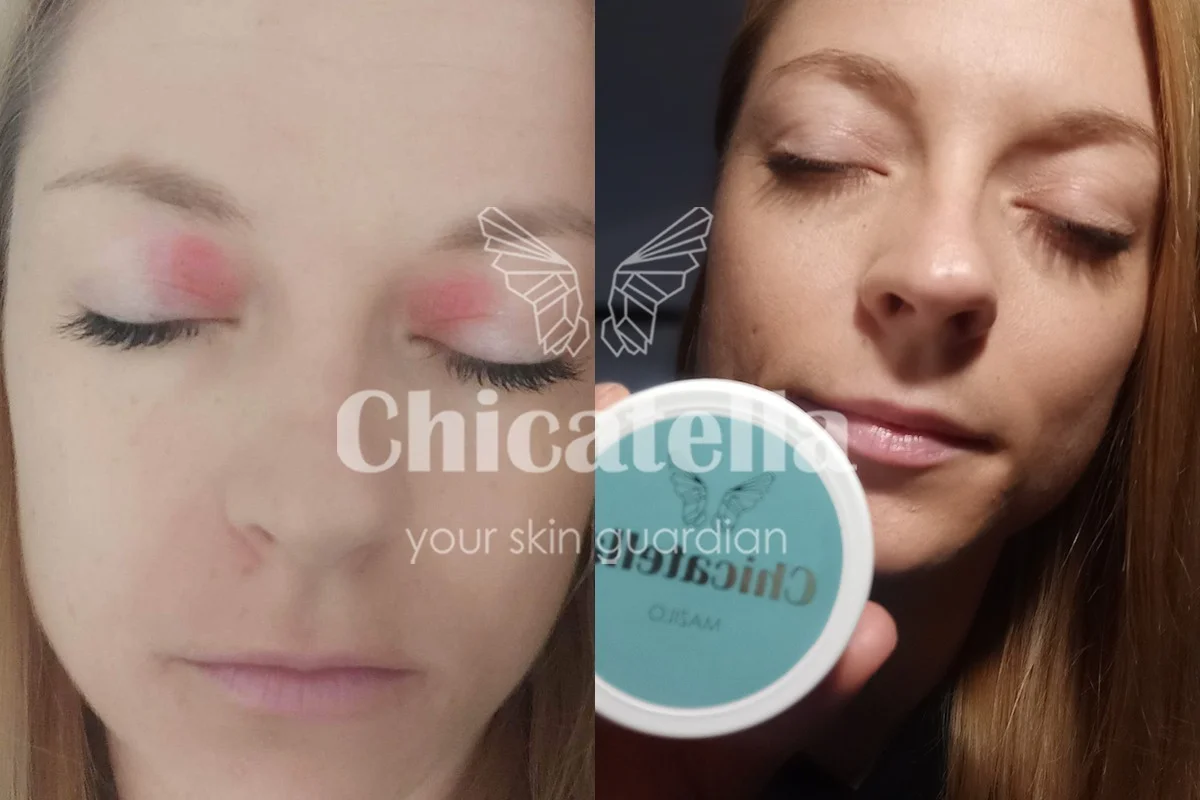
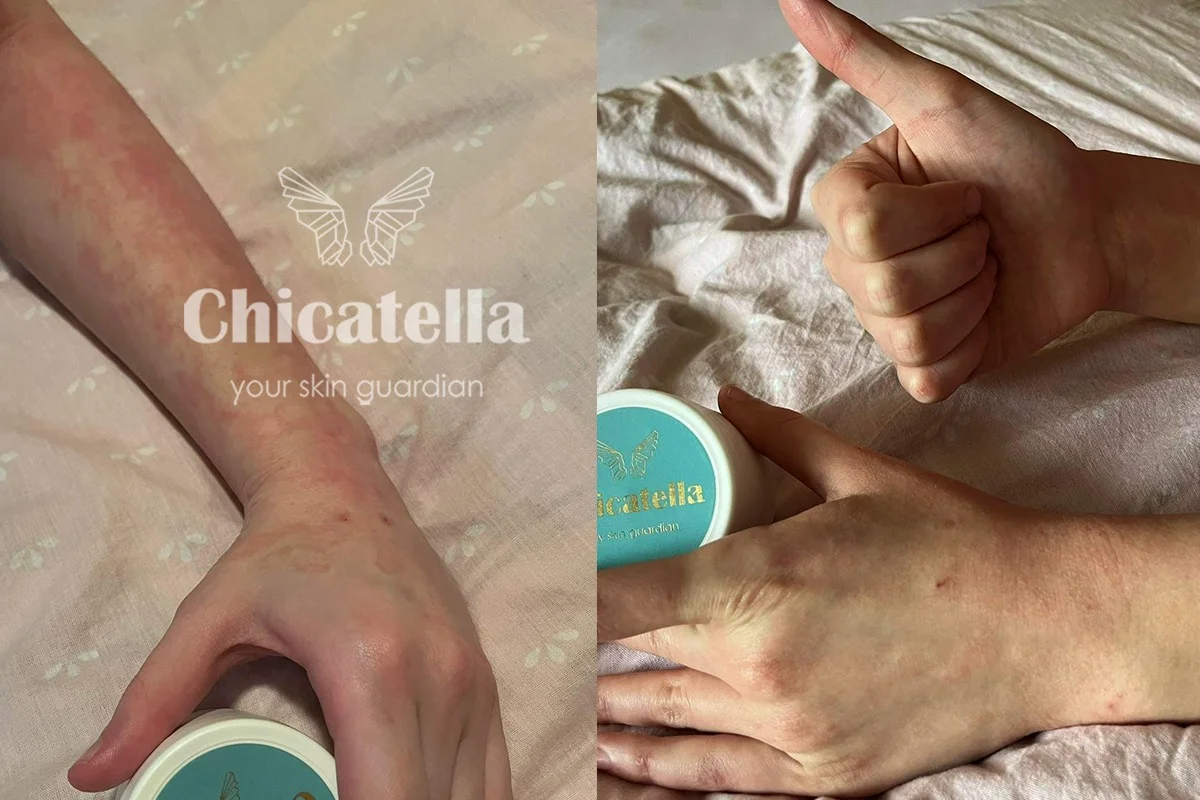
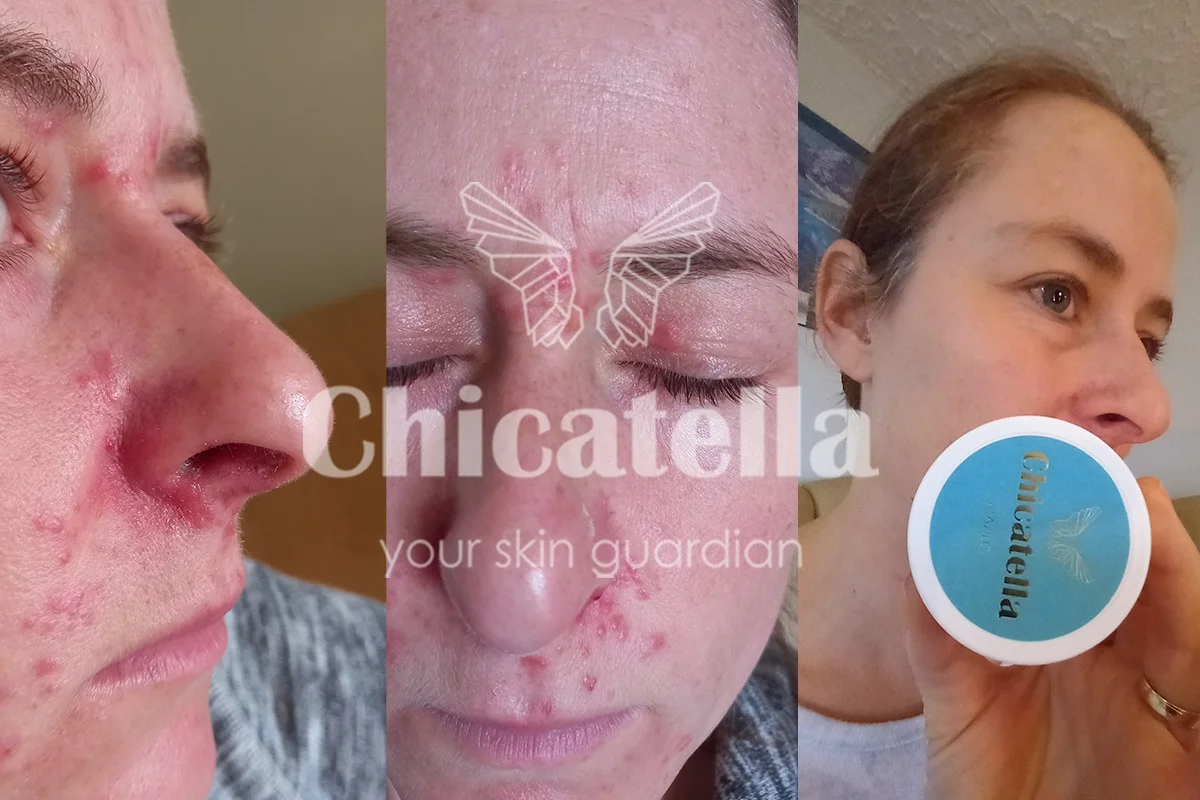
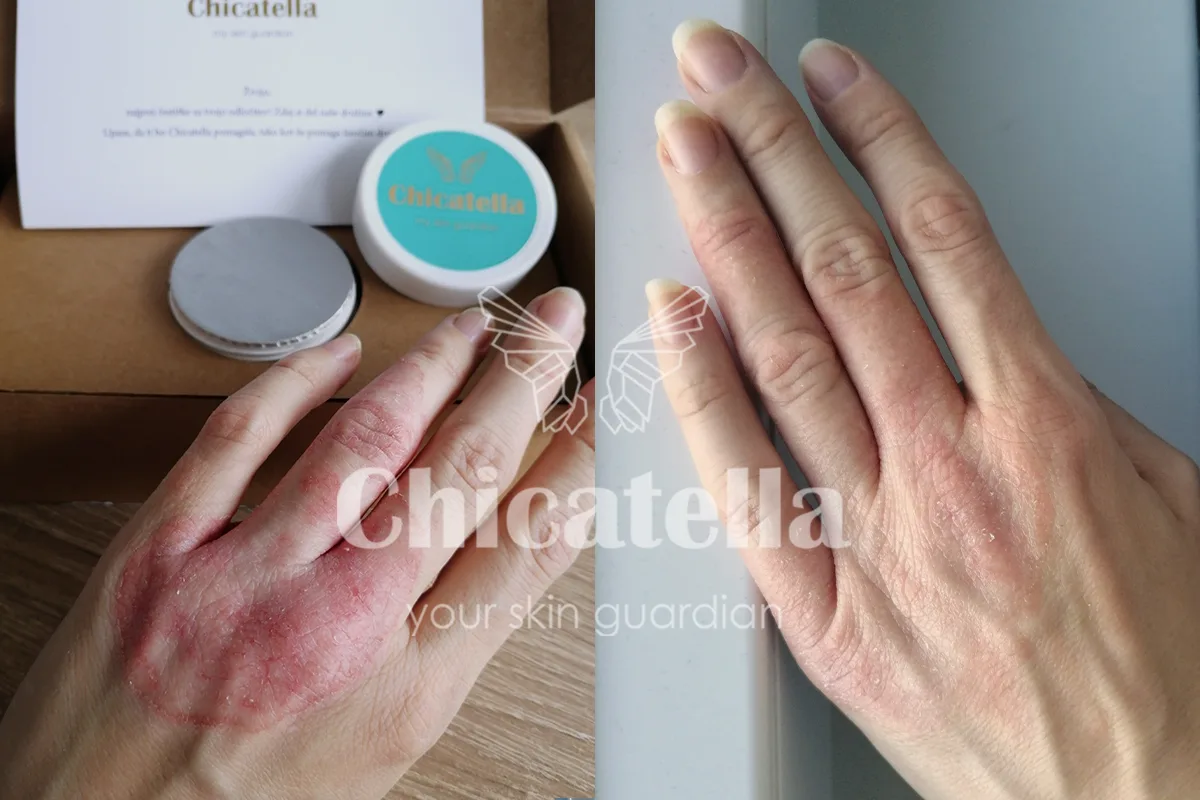
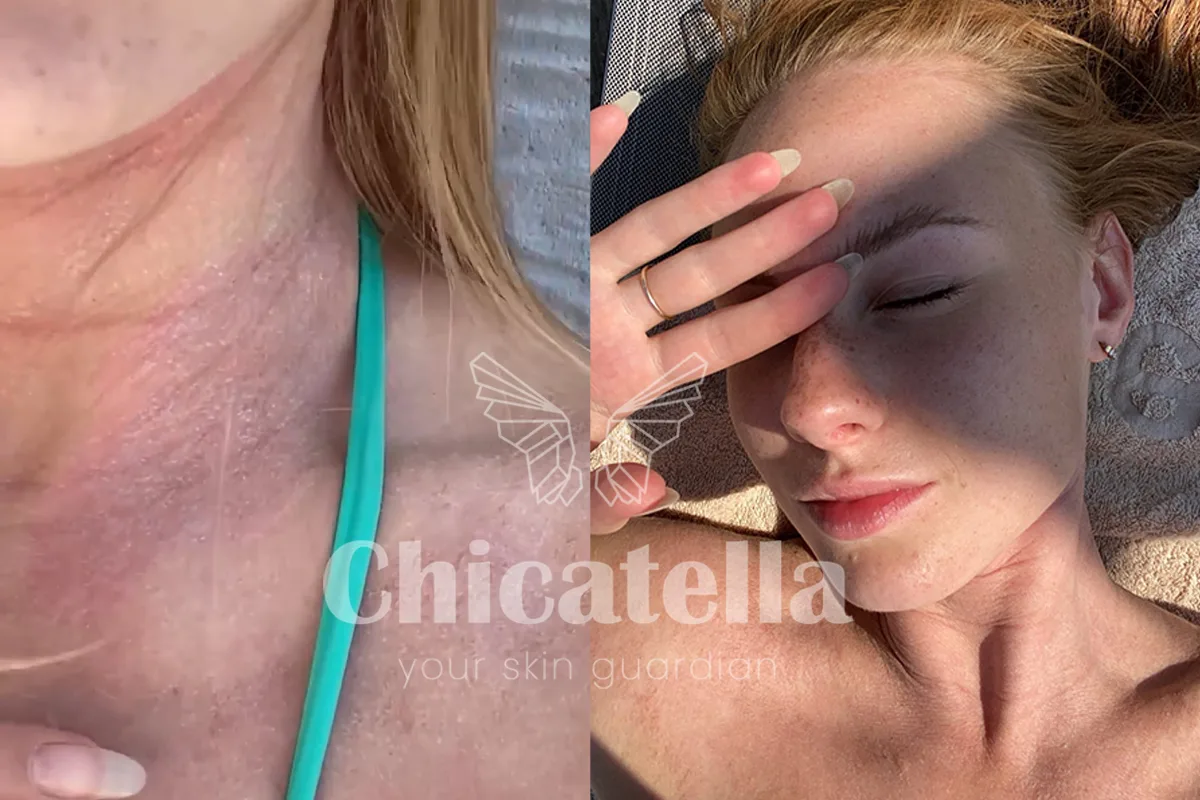
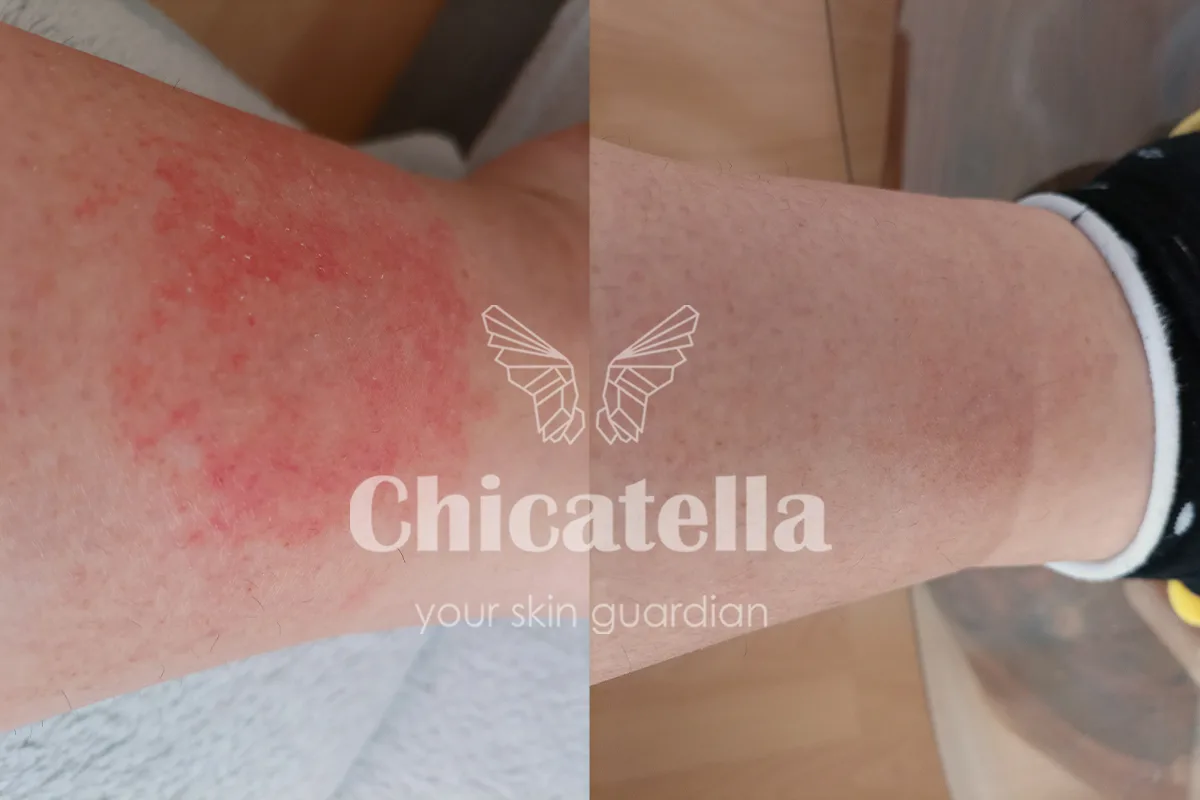
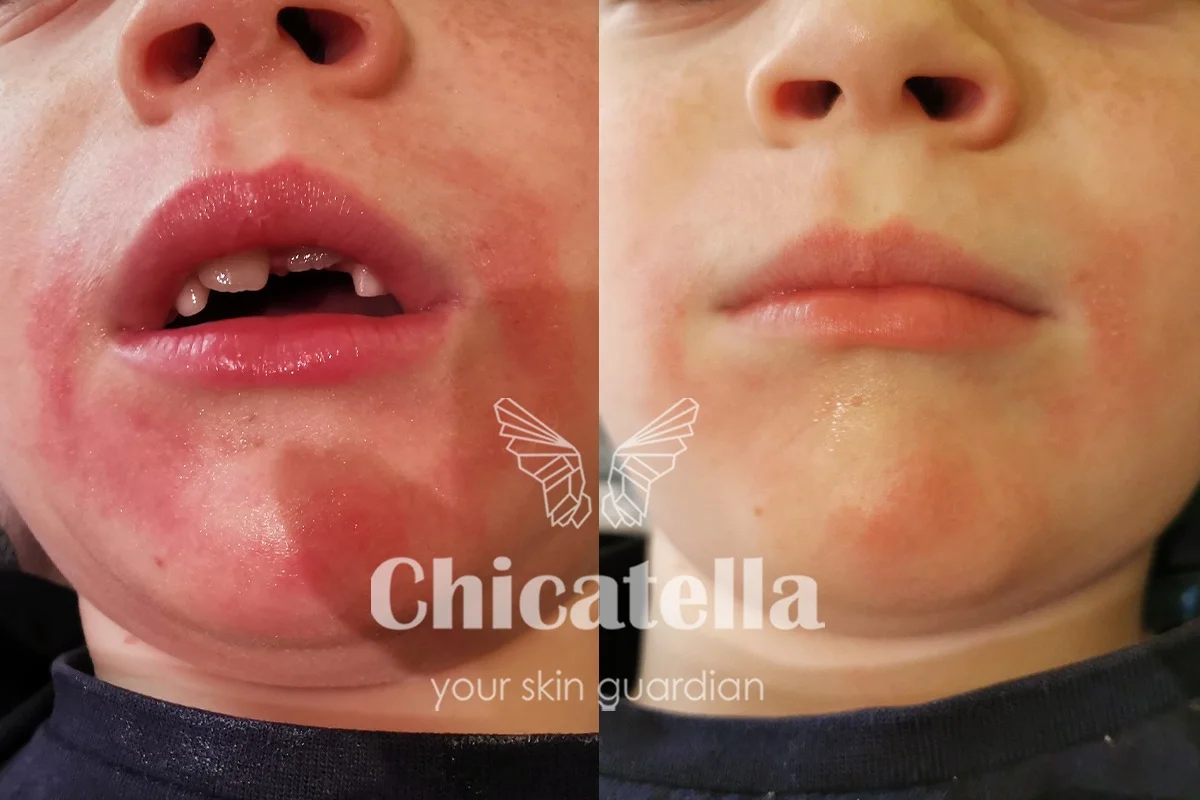
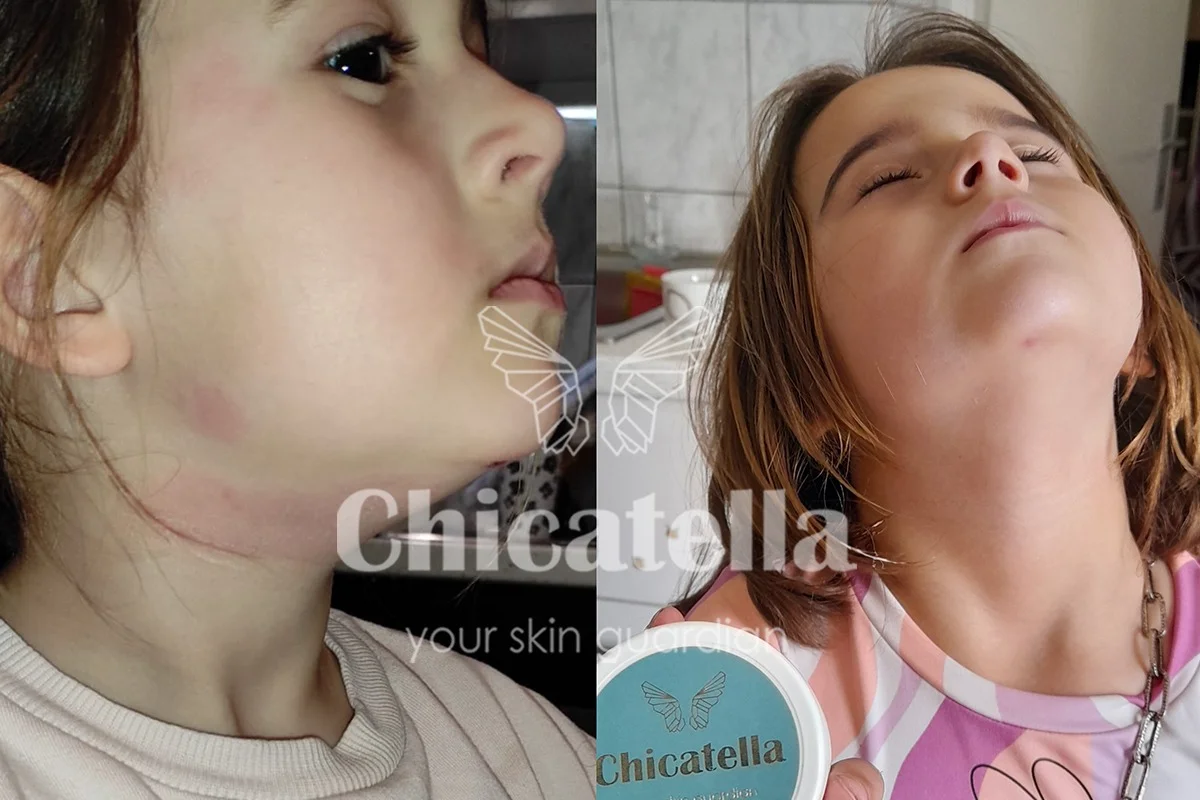
Skin conditions are serious! Chicatella is skin care, not medicine, so if you’re unsure or things get worse, see a dermatologist.
13 dermatological ingredients, each with a job to do
No fillers, no fragrance, nothing that’s in the formula just because it sounds nice on the label.
Below is the full list in the order printed on the package, from the ingredient there’s most of to the one there’s least of. Tap any of them and we’ll tell you what it does on your skin.
01WaterAquaBASE+
Without water, the ointment would be pure fat. Water is what brings moisture to your skin, and the oil part of the formula then locks it in underneath so it doesn’t evaporate. That’s why the ointment works best on slightly damp skin, right after washing.
02Lanolin (wool wax)LanolinOCCLUSIVE + SOFTENS+
Our strongest ingredient and the reason the ointment lasts so long. Lanolin does two jobs: it softens flakes on the surface and forms a protective film that slows water loss. Its makeup is unusually close to the oils your skin makes on its own. It even contains cholesterol, one of the three fats in a healthy skin barrier.
03PetrolatumPetrolatumOCCLUSIVE+
The most researched occlusive in dermatology, and an ingredient we proudly stand behind. In a study published in the Journal of Allergy and Clinical Immunology (Czarnowicki, 2016), petrolatum on the skin raised filaggrin and loricrin, the proteins the skin barrier is built from, boosted the skin’s own antimicrobial peptides and lowered inflammatory signals.
04Olive oilOlea Europaea Fruit OilPLANT OIL+
A rich, soft oil that makes the ointment easier to spread, even over rough skin, without tugging. It also brings natural vitamin E.
05Calendula in almond oilCalendula Officinalis Flower Extract, Prunus Amygdalus Dulcis OilSOOTHES+
A grandma’s-remedy classic in a modern formula: calendula flowers steeped in sweet almond oil. It’s known as one of the gentlest plant ingredients for irritated, thin skin. It soothes that tight, irritated feeling, while the almond oil softens the skin.
06Jojoba oilSimmondsia Chinensis Seed OilPLANT OIL+
It’s actually not an oil but a liquid wax, and it’s remarkably close to the oil your skin makes on its own. That’s why skin takes to it so easily: the ointment is rich, but your skin doesn’t treat it as something “foreign.”
07Fatty alcoholCetearyl AlcoholSTRUCTURE+
Not the kind of alcohol that dries skin out. It’s a waxy, softening ingredient that keeps the oils and water together. It’s the reason the texture spreads nicely and doesn’t separate or run.
08AllantoinAllantoinSMOOTHS+
A botanical ingredient for a smooth feel after you apply it. It softens a hard, flaky skin surface so it doesn’t feel tight or crack, and it’s considered one of the most caring skin care ingredients in the world.
09Bisabolol from chamomileBisabololSOOTHES+
The reason chamomile has stood for calm for centuries. Bisabolol is its most studied active. It works on the signals skin sends when it’s irritated, which helps calm that hot, red feeling.
10Sodium benzoateSodium BenzoateKEEPS THE FORMULA SAFE+
A preservative. Since the ointment contains water, microbes could grow in it, and this gentle ingredient stops that. So the ointment stays safe from the first use to the last. Sodium benzoate is one of the most common preservatives in baby skin care because it’s among the gentlest.
11Potassium sorbatePotassium SorbateKEEPS THE FORMULA SAFE+
The other half of the preservative pair. Together with sodium benzoate it covers a wider range of microbes, which means we can use less of both.
12Vitamin ETocopheryl AcetateANTIOXIDANT+
It keeps the oils in the ointment from going rancid over time and, on your skin, helps neutralize free radicals, the “harmful stuff.” Put simply, it keeps the ointment as good in week thirty as it was in week one.
13Citric acidCitric AcidpH+
We use it to keep the ointment’s pH close to your skin’s natural pH. That’s the level your skin feels best at, and so does your microbiome, because we’re not irritating it.
Aqua, Lanolin, Petrolatum, Olea Europaea Fruit Oil, Calendula Officinalis Flower Extract, Prunus Amygdalus Dulcis Oil, Simmondsia Chinensis Seed Oil, Cetearyl Alcohol, Allantoin, Bisabolol, Sodium Benzoate, Potassium Sorbate, Tocopheryl Acetate, Citric Acid.
*What you read above are research findings on individual ingredients. Chicatella is a cosmetic, not a medicine. A very small number of people can be allergic to lanolin.
What people say after trying it
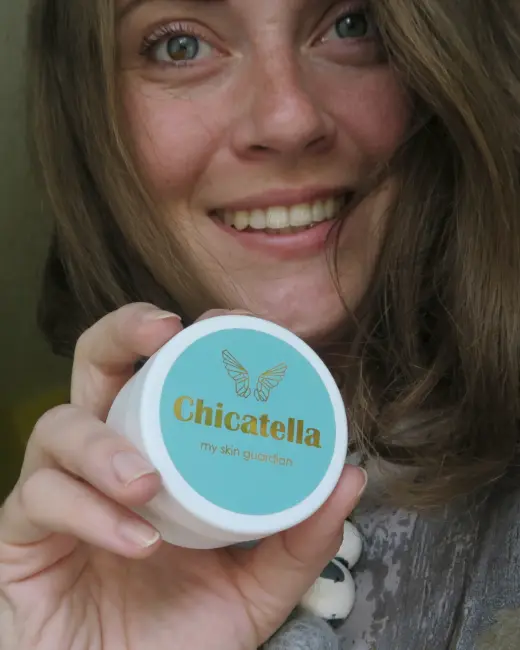
“Put it on overnight and wake up with baby-soft skin. I recommend it to anyone with dry hands and heels!”
✓ verified buyer
“I work in healthcare and sanitize my hands all day. Ointment at night, and by morning I feel human again.”
✓ verified buyer
“We both use it, me and my baby. His cheeks aren’t red and cracked anymore.”
✓ verified buyer
“It was too thick and greasy for me, I couldn’t stand it on my face. Great for heels, just not for my skin type.”
✓ verified buyer
“After a few days I got tiny red bumps, probably a lanolin sensitivity. Support refunded me without any hassle.”
✓ verified buyer
We post the less excited reviews too, because we don’t believe in fake perfection. If a product isn’t for you, we’ll refund your money, no questions asked.
Questions about our ointment for eczema-prone skin
Can I use it on my baby?+
Yes. SOS Ointment is dermatologically tested on very sensitive skin and is often used on babies’ bottoms, cheeks and dry patches. If the changes are more severe, widespread or long-lasting, check with your pediatrician first.
Does it clog pores?+
On very dry skin it’s usually well tolerated. On acne-prone or oily skin, use it carefully and only on the dry spots. If you’re not sure, try it on a small area first.
When will I notice a difference?+
On irritated skin, the first application often feels soothing right away. But every skin is different, so we don’t promise anything up front. What we do promise is this: if it’s not for you, keep the ointment and we’ll refund every cent.
Does it cure eczema or dermatitis?+
No. SOS Ointment is a cosmetic, not a medicine. It supports the skin barrier and helps reduce moisture loss in very dry, cracked and eczema-prone skin. If your skin is badly affected, oozing pus, bleeding or not getting better, see a doctor.
Will the ointment stain my clothes?+
Not if you use it the right way. Apply a thin layer and wait a few minutes for it to sink in before you get dressed. At night you can put a thicker layer on your hands or heels and cover them with cotton gloves or socks.
How-to guide: eczema cream.
All our products
Visit the shop >>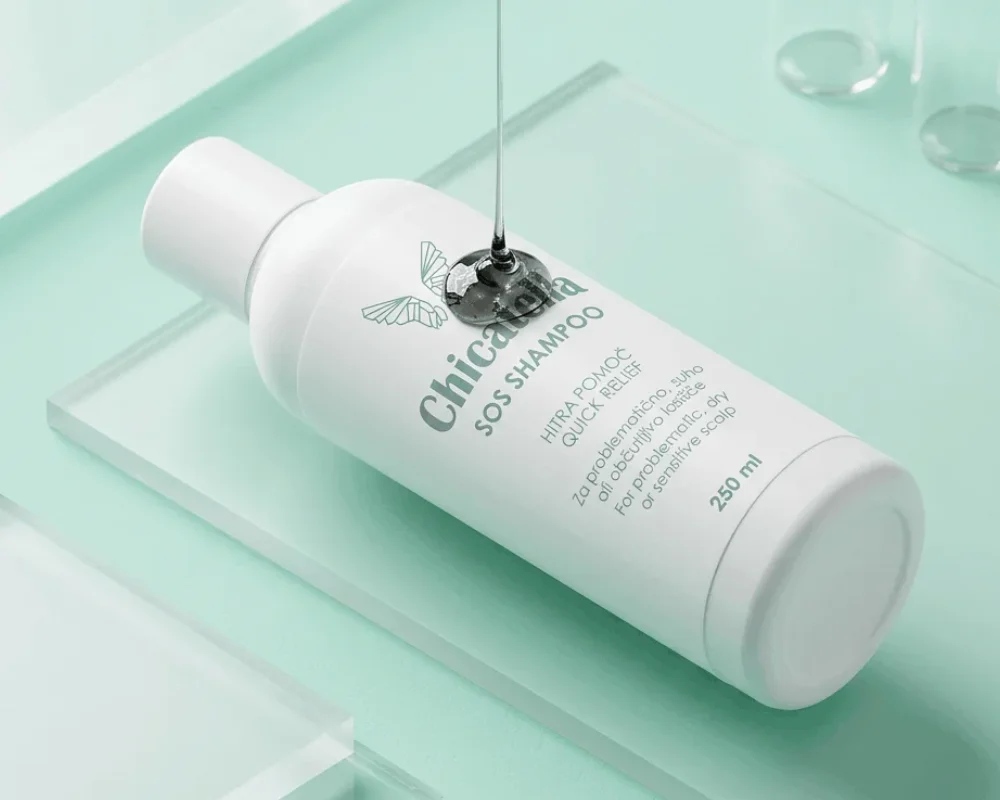
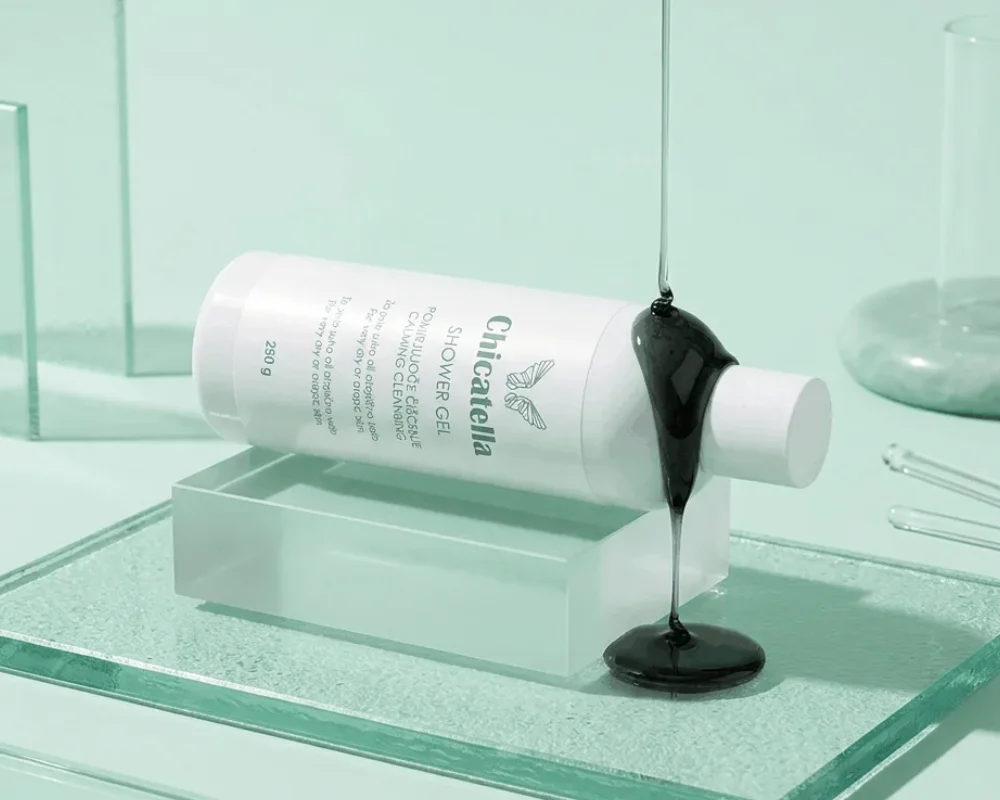
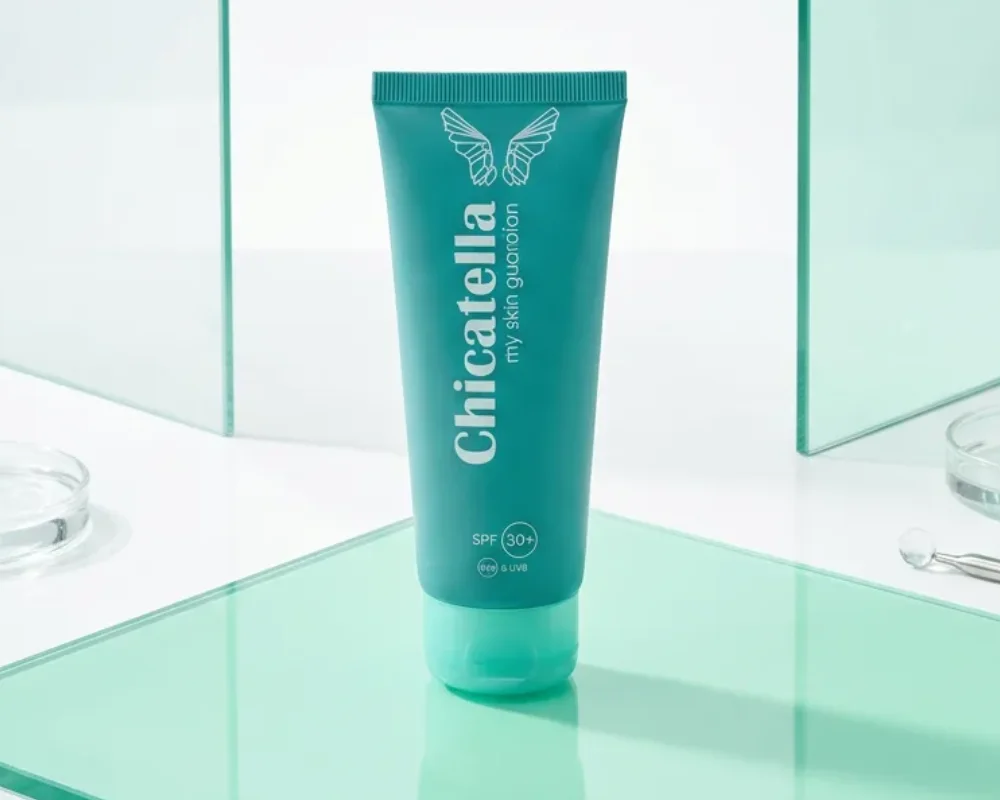
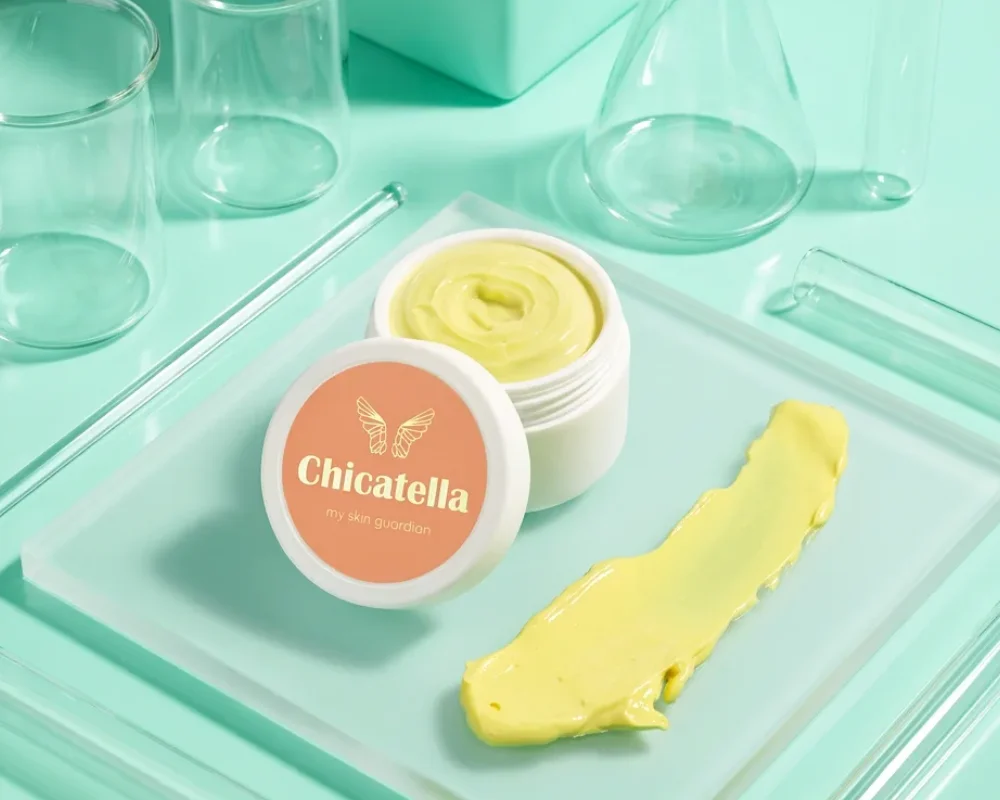
If your skin doesn’t feel better, keep it and we’ll refund every cent.
No sending anything back, no forms, shipping included, for up to two products. One message and we’ll sort it out.