Dermatitis isn’t one condition, so the same care won’t help every type.
Contact dermatitis is named after what touches your skin. Perioral dermatitis after where it shows up. Nummular dermatitis after its shape. And dyshidrotic dermatitis after an explanation we now know is wrong. The names alone show why the word “dermatitis” isn’t a diagnosis yet, and why a product that helps one type can be exactly the wrong pick for another.
Dermatitis means inflamed or changed skin. It doesn’t necessarily tell you what caused the change.

How we put this article together
All of this is called dermatitis
Different types, different body areas, different looks. Each sketch shows where on the body a type likes to appear and what it looks like up close. Swipe, drag or use the arrow keys.
The sketches are simplified and aren’t a tool for diagnosing yourself. Different conditions can look almost the same. A doctor confirms the type.
Quick answers first
If you just want a fast answer, you’ll find it here. Further down we get into what actually sets the types apart.
What does dermatitis mean?
Is dermatitis the same as eczema?
Is dermatitis contagious?
What are the most common types?
Why can different conditions look alike?
How does a doctor figure out which type it is?
Can I have more than one type at once?
Can dermatitis be cured?
When should I see a doctor?
How all the types of dermatitis are named
A list of dermatitis types looks like a list of related diseases. In reality, the names come from four completely different logics. Click each one to see what the name tells you, and what it doesn’t.
These names are the most useful because they tell you what’s going on. Atopic dermatitis points to a tendency toward atopy (allergy-type conditions). Contact dermatitis points to something that touched the skin. Stasis dermatitis points to blood pooling in the leg veins.
When the name tells you the mechanism, the next step is fairly clear: remove the substance, treat the veins, calm the inflammation.
Some names tell you the cause. Others only tell you the place or the shape. That’s why a list of dermatitis types isn’t a list of conditions that all start the same way.
What the eye sees and what the microscope sees
Click through four steps: from what you see in the mirror, to what a pathologist sees under the microscope, to what all of that still leaves open.
Even a biopsy can sometimes tell you how the skin is reacting... but not yet why.

A rash has four coordinates
This tool doesn’t diagnose. It shows the four pieces of information a doctor really needs, and which ones are worth getting ready before your appointment.
- scalp, eyebrows, sides of the nose
- around the mouth, nose or eyes
- palms, fingers and wrists
- shins and ankles
- elbows, knees and buttocks
- skin folds
- only where a product touched the skin
Which type sounds most like your skin
Each type has its own article with detailed care tips. Here’s a quick overview of all of them and our articles, so you can find the right path faster.
| Type | What usually sets it apart | Where it often shows up | Good to know | Full article |
|---|---|---|---|---|
| Atopic | Long-term, recurring inflammation with intense itching; often runs in families along with asthma or hay fever. | Creases of the elbows and knees, the face in babies, the hands in adults. | The skin barrier, the immune system, itch and the microbiome all work together. Regular care helps the calm stretches last longer. | Atopic dermatitis → |
| Irritant contact | Caused by direct irritation. How often and how long the skin is exposed matters more than allergy. | Hands and palms, wherever the skin gets wet a lot. | More common than the allergic type. Protecting your hands and less wet work help more than a stronger cream. | Contact dermatitis → |
| Allergic contact | An immune reaction to a specific substance: nickel, fragrances, preservatives, ingredients in gloves. | Exactly where the contact happened, so the pattern often tells a story. | An allergy can develop even after years of using the same product. Patch testing confirms it.ESCD 2026↗︎ | Contact dermatitis → |
| Seborrheic | Greasy, yellowish scales where the skin has more oil glands; skin oil, yeast and the skin’s own response all play a part. | Scalp, eyebrows, beside the nose, behind the ears, chest. | The approach is different from atopic dermatitis. An antifungal side matters too.Exp Dermatol↗︎ | Seborrheic dermatitis → |
| Perioral | Tiny bumps and pus-filled spots around the mouth, nose or eyes. Not classic eczema. | Around the mouth, nostrils and eyes. | Heavy, occlusive products and steroid creams on the face can make it worse. Simplifying your routine often helps.DermNet↗︎ | Perioral dermatitis → |
| Nummular | Round, coin-like patches, often on very dry skin. | Forearms, shins, torso. | A round patch isn’t necessarily nummular eczema. A fungal infection can look just like it.AAD↗︎ | Nummular eczema → |
| Dyshidrotic | Deep, itchy blisters that look like tapioca pearls. | Palms, sides of the fingers, soles. | It isn’t a sweat gland disease, even though the name suggests it. Sweating can be a trigger.AAD↗︎ | Dyshidrotic eczema → |
| Stasis | The cause isn’t in the skin but in the veins: chronic venous insufficiency (the leg veins struggle to move blood back up). | Shins and ankles, often with swelling. | Skin care alone isn’t enough unless the veins are treated. One leg that suddenly turns red, warm and painful needs a quick checkup.Dermatitis↗︎ | Stasis dermatitis → |
| Herpetiformis | An autoimmune condition linked to celiac disease; clusters of very itchy blisters. | Elbows, knees, buttocks, back. | It isn’t caused by herpes. Treatment means addressing celiac disease, not cosmetic care.JEADV↗︎ | Dermatitis herpetiformis → |
The same dermatitis, three different pictures
Skin inflammation changes over time. That’s why two photos of the same person with the same “dermatitis” can look like two different conditions.
How a doctor looks for the cause
There’s no single test that solves everything. It’s a sequence where each step rules out a few options.
When it started, how it’s been going, what helped.
Symmetry and location often say the most.
A look at everything that regularly touches the skin.
When a fungal infection is suspected.
When a bacterial infection is suspected.
For unusual or stubborn changes.
When an autoimmune blistering disease is suspected.
When the suspected cause calls for them.
Commercial allergy panels that promise to explain every rash can’t do that. The choice of test comes from the suspicion, not the other way around.
From how skin looks to what’s really going on inside it
Today, doctors identify the type of dermatitis by its look, location and course. Researchers are working on a way to read directly from the skin which kind of inflammation is driving it, with no cutting and no stitches.
A gentle adhesive tape is pressed onto the skin for a few seconds. When it’s lifted, it takes only the very top layer of cells with it. In the lab, proteins and RNA from this sample show the type of inflammation. A 2025 study used it to find stronger type 2 inflammation in hand eczema in people with atopic dermatitis.Allergy 2025↗︎
Why this matters: eczemas that look alike can have different kinds of inflammation, and newer medications target one specific kind. A test like this could shorten the road to the right treatment.Acta DV 2026↗︎Clin Transl Allergy↗︎
It’s used in research and in a few specialized centers. For now, you can’t order it through your own doctor.
The sample needs lab analysis of RNA. It isn’t something done at home or ordered by mail, so take offers like that with a grain of salt.
Photos of how it changes, a list of your products and medications, and a visit to the doctor tell the most today. Molecular tests will add to that, not replace it.
The future of dermatology isn’t only about how a rash looks, but about which biological process is active inside it.
Treatment is getting more and more specific
This isn’t a list of creams. It’s an overview of how differently the various types are treated today, and one more reason the diagnosis comes first. Treatment decisions are made by your doctor.
Along with skin care and anti-inflammatory creams, targeted biologic medicines and JAK inhibitors are available for more severe cases.
In 2024 the EU approved delgocitinib for certain adults with moderate to severe chronic hand eczema.EMA↗︎
Different anti-inflammatory and antifungal approaches are used, and newer topical forms are being studied too.Phase 3↗︎
The key is removing the cause. Without that, even a very good cream only softens the effects.
The venous insufficiency has to be treated. Skin care goes along with it, it isn’t the solution.
Celiac disease and the autoimmune process need to be treated, not handled with cosmetic care.
Signs not to wait on
If your “dermatitis” doesn’t respond as expected despite sensible care and prescribed treatment, sometimes the problem is the diagnosis, not that you need a stronger cosmetic product.
Your doctor makes the diagnosis. Comfort for your skin can start tonight.
Here’s what you can do yourself, starting today: wash your skin gently, give back oils and moisture, and cover cracked areas with a protective layer so they can settle. That’s exactly what these products do. Nothing more, nothing less.
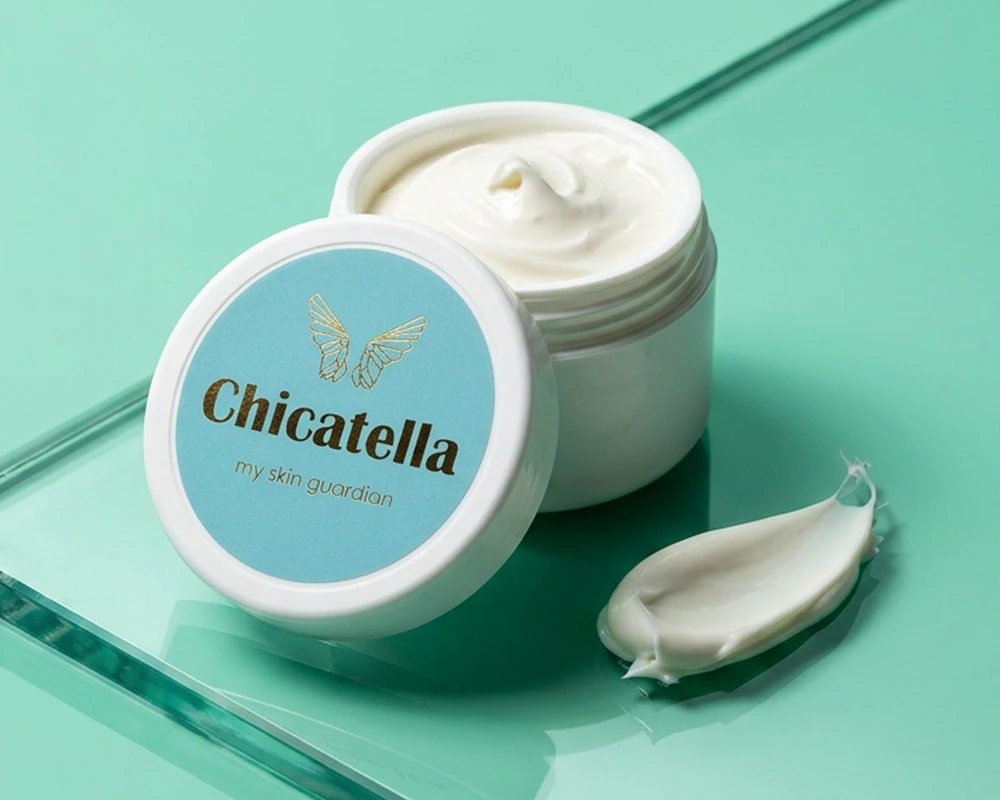
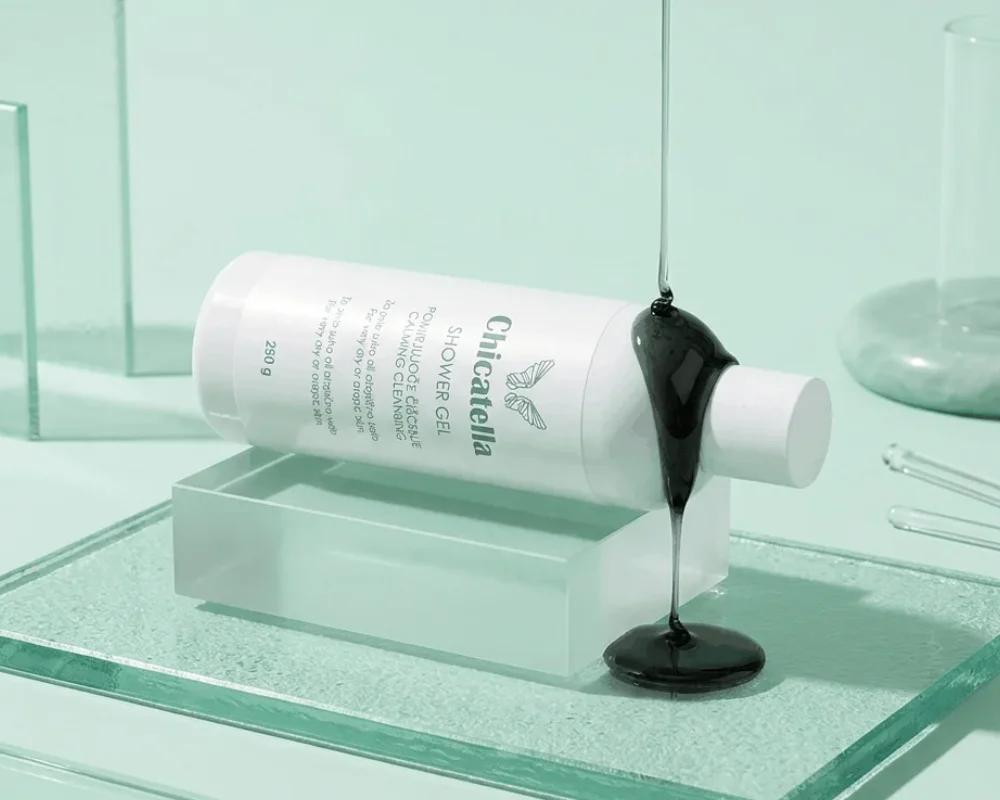
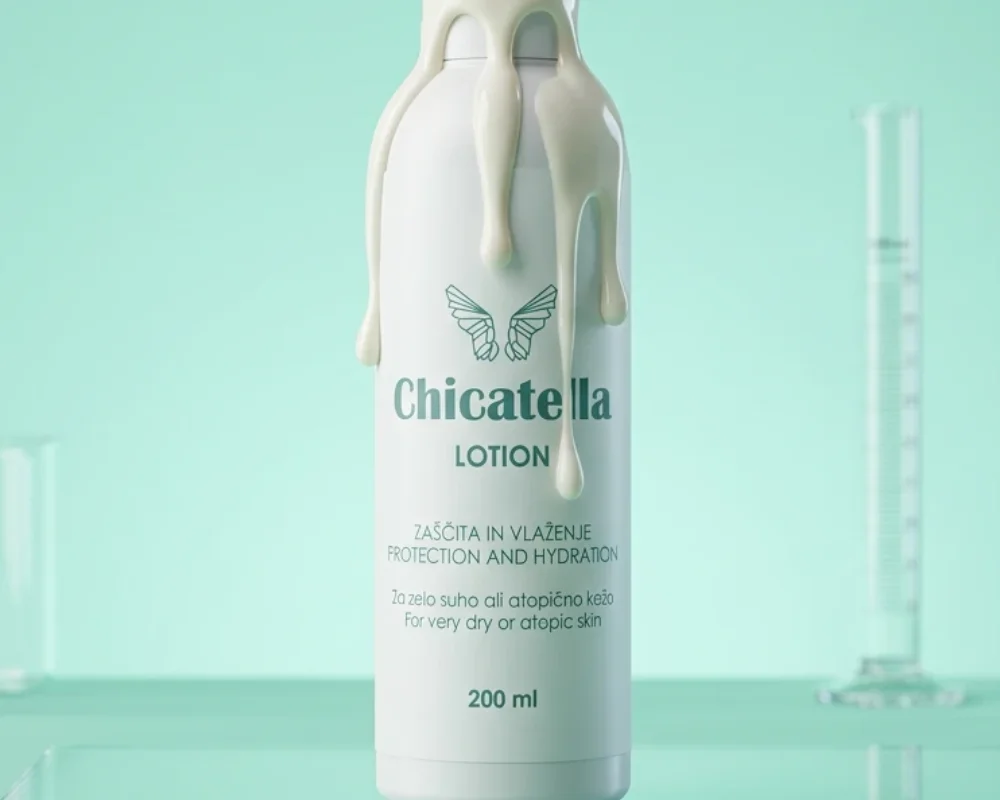
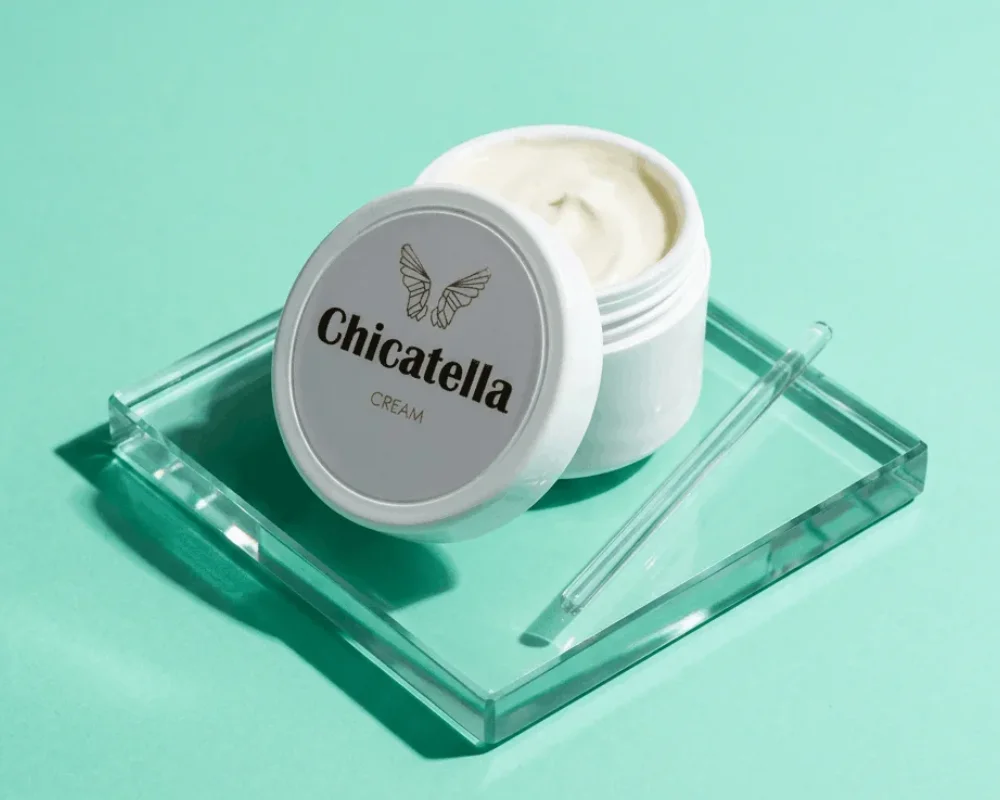
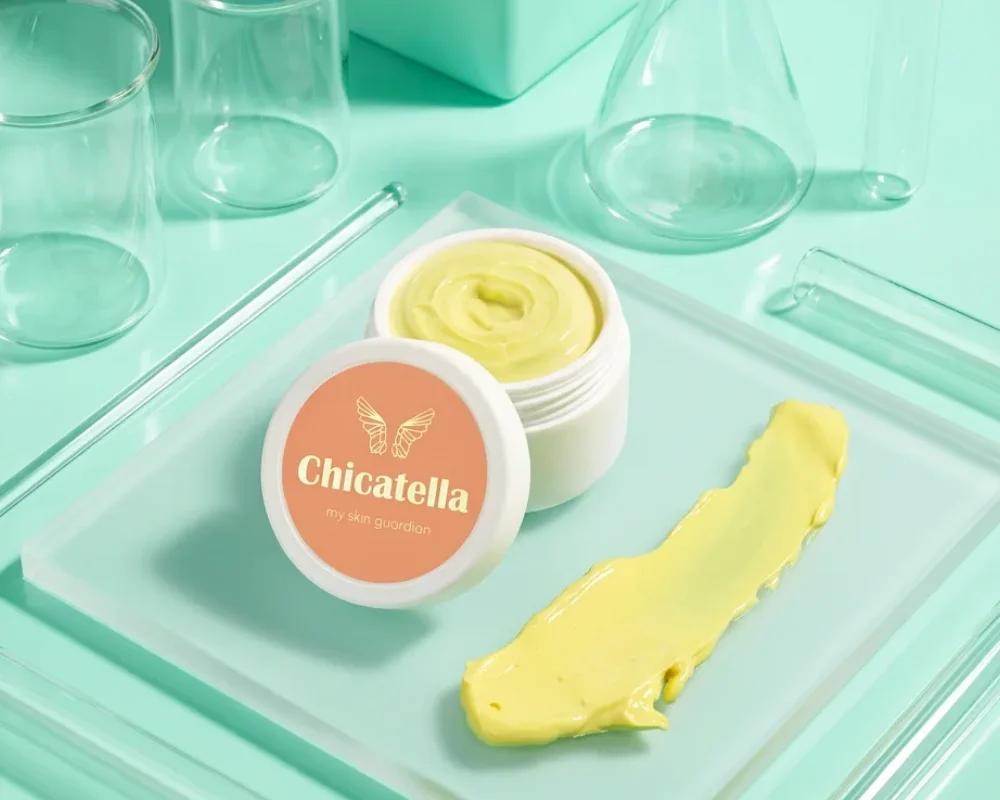
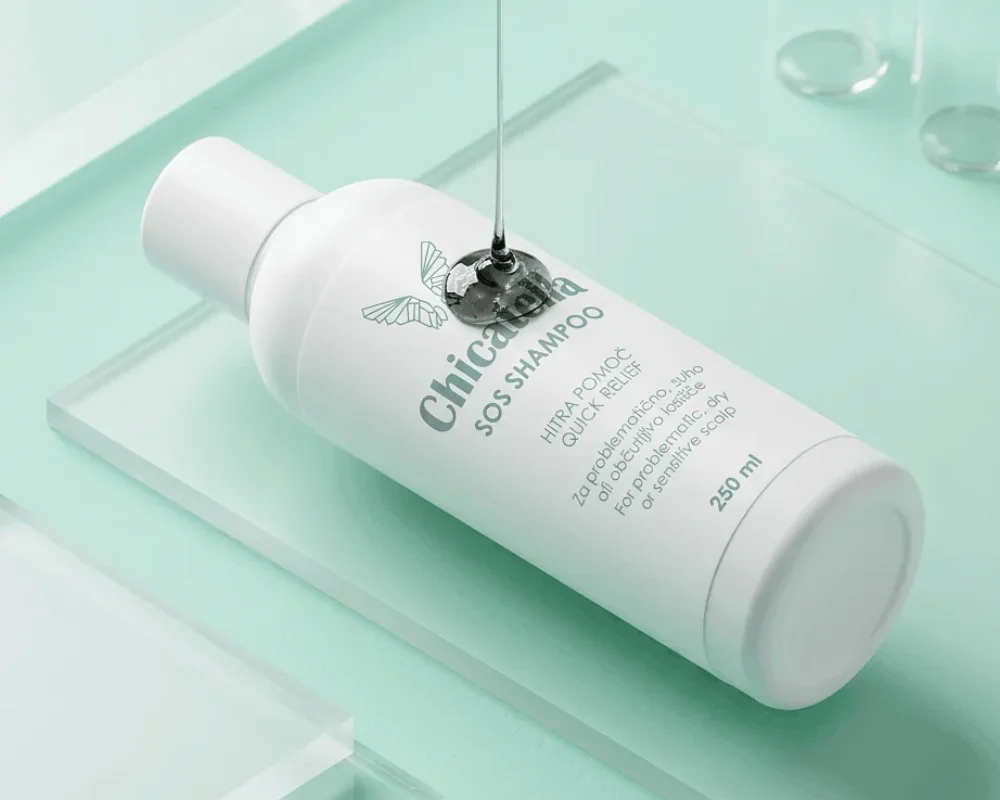
More on using it for eczema-prone skin: eczema cream.
Product claims are cosmetic and kept separate from the medical information on this page, in line with EU Regulations 1223/2009 and 655/2013. Chicatella doesn’t treat or diagnose any condition.
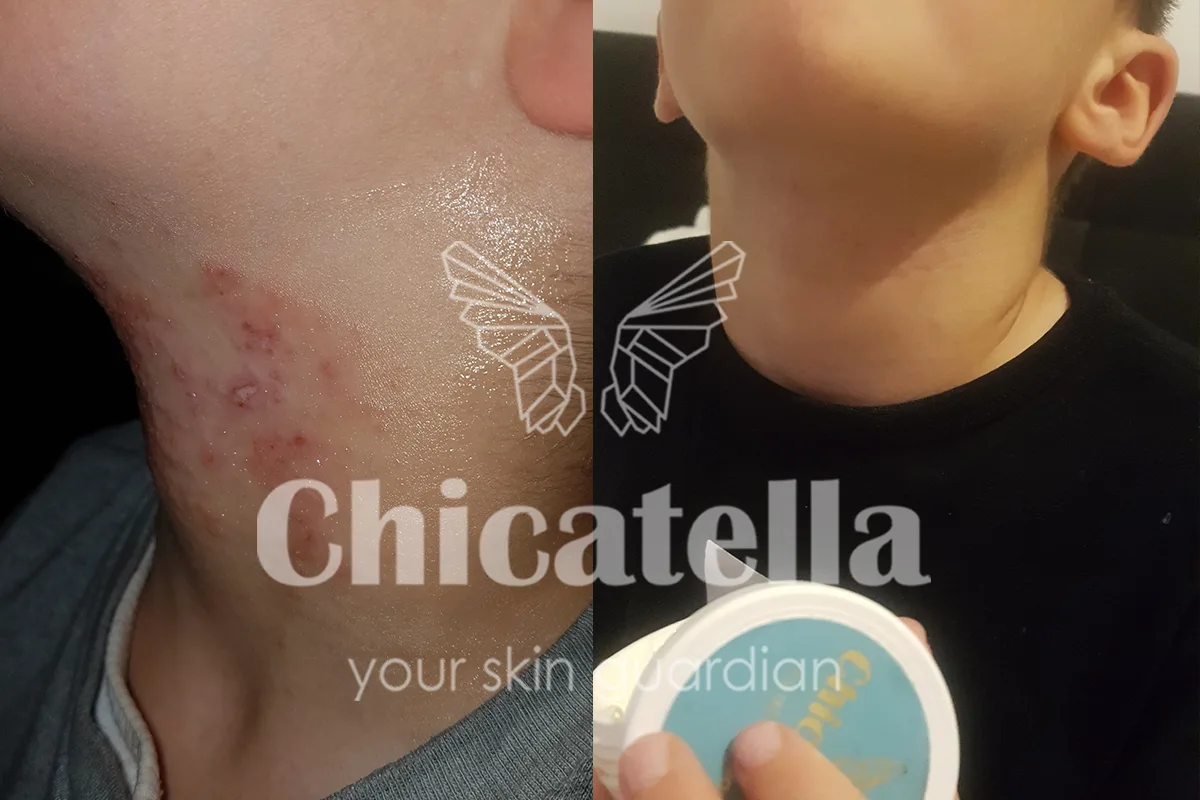
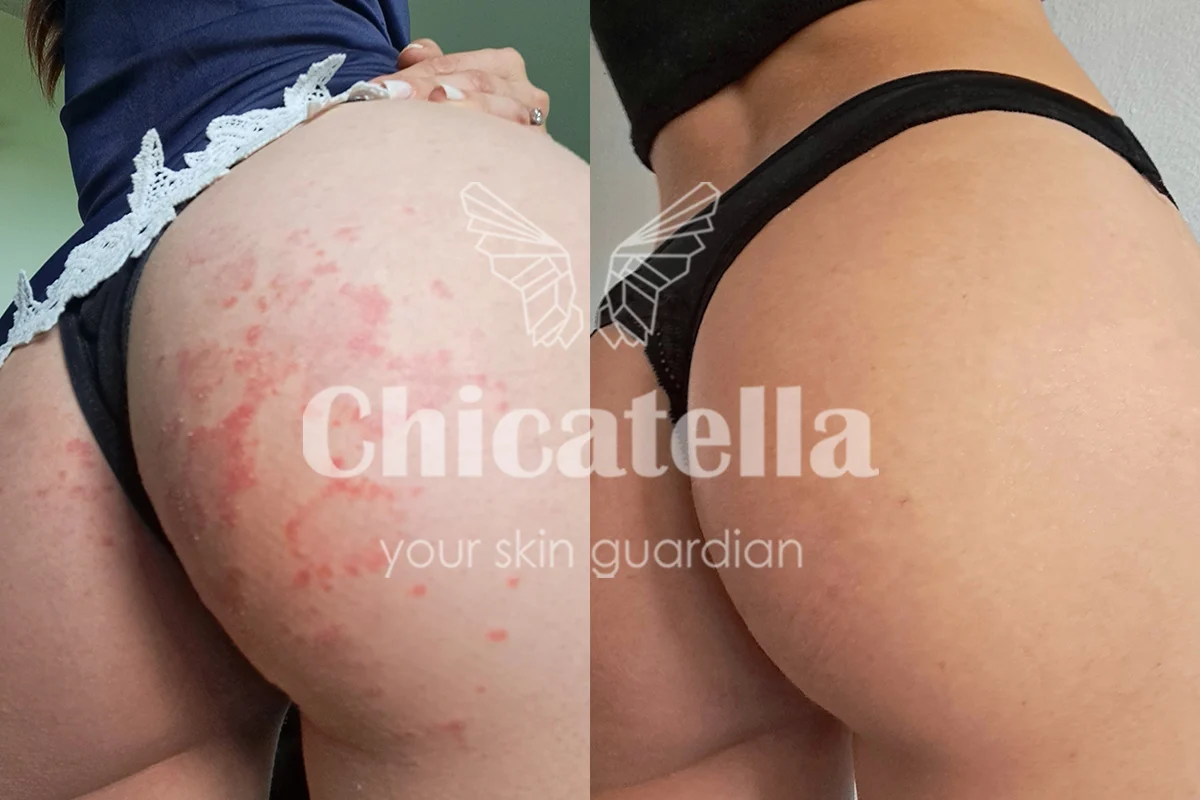
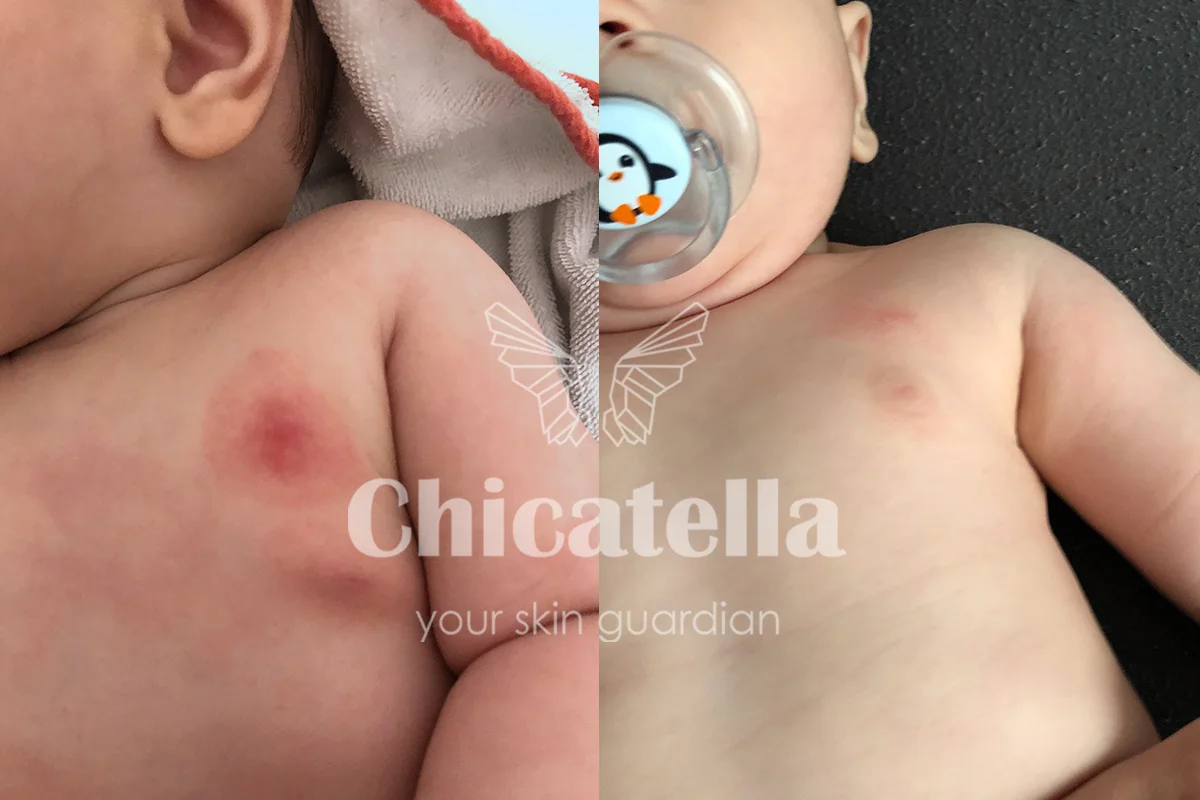
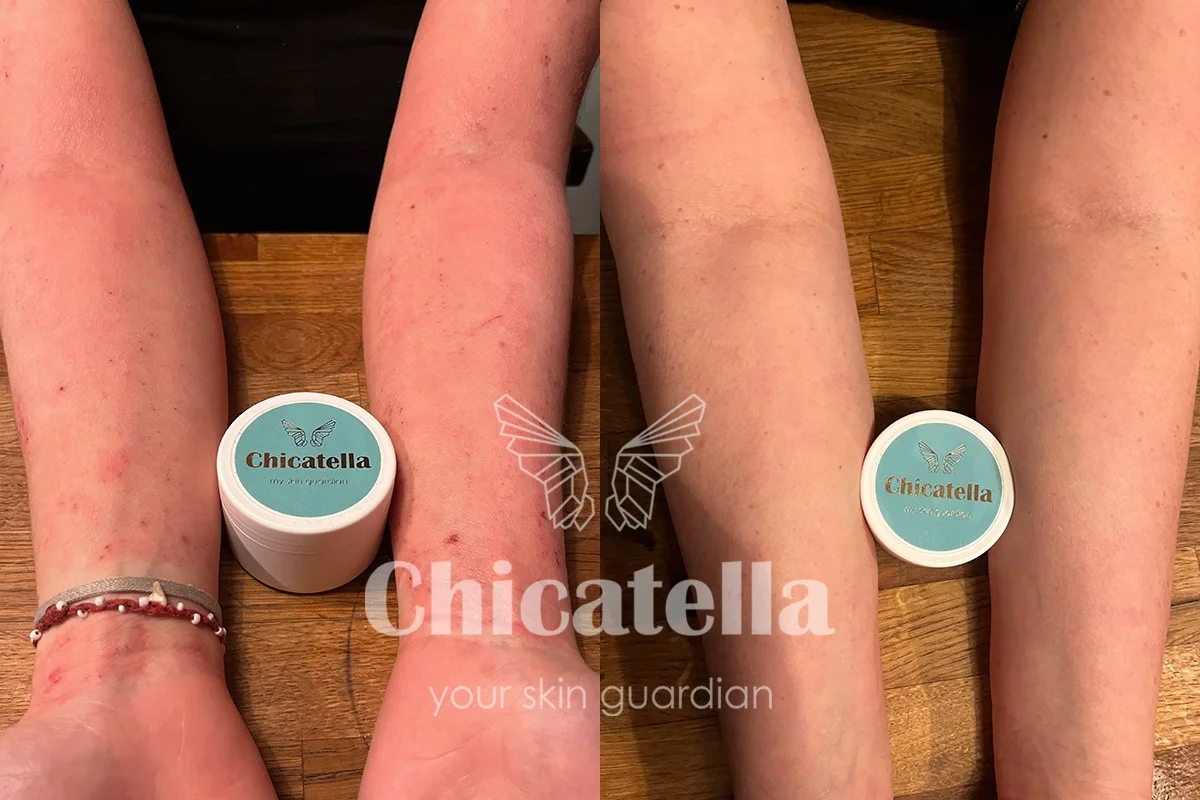
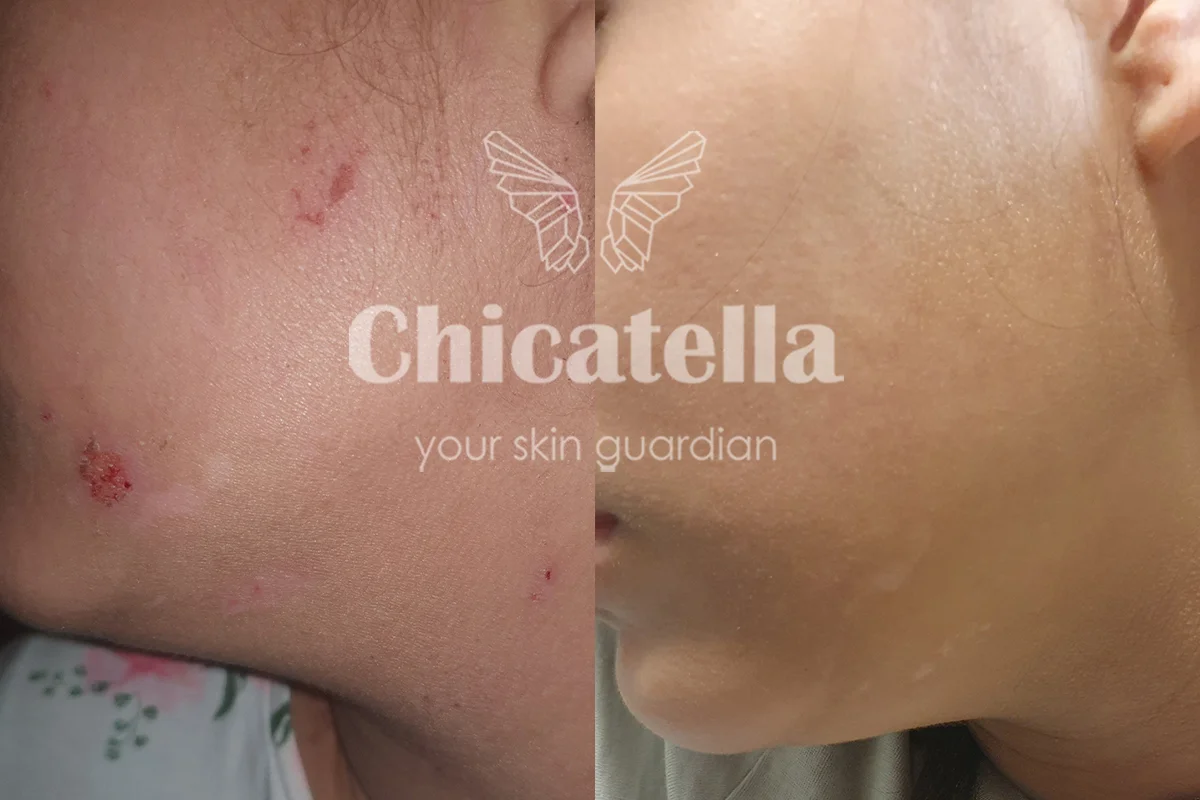
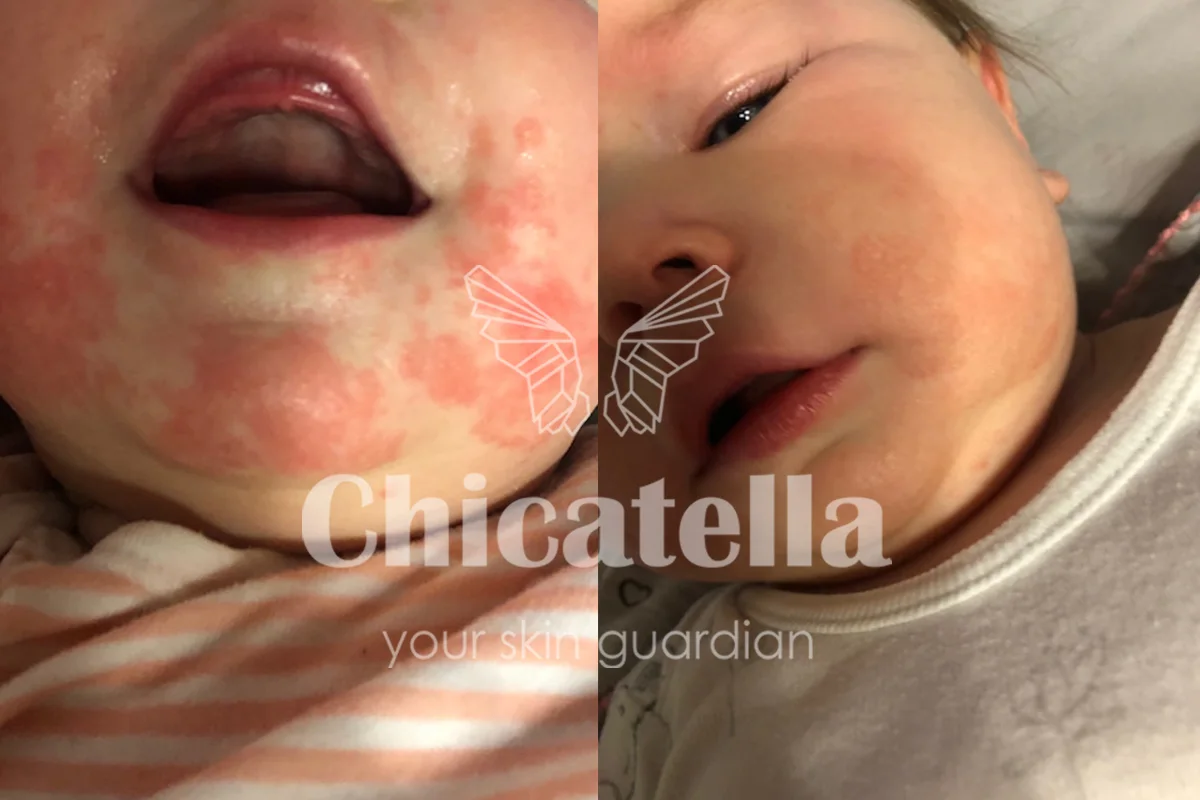
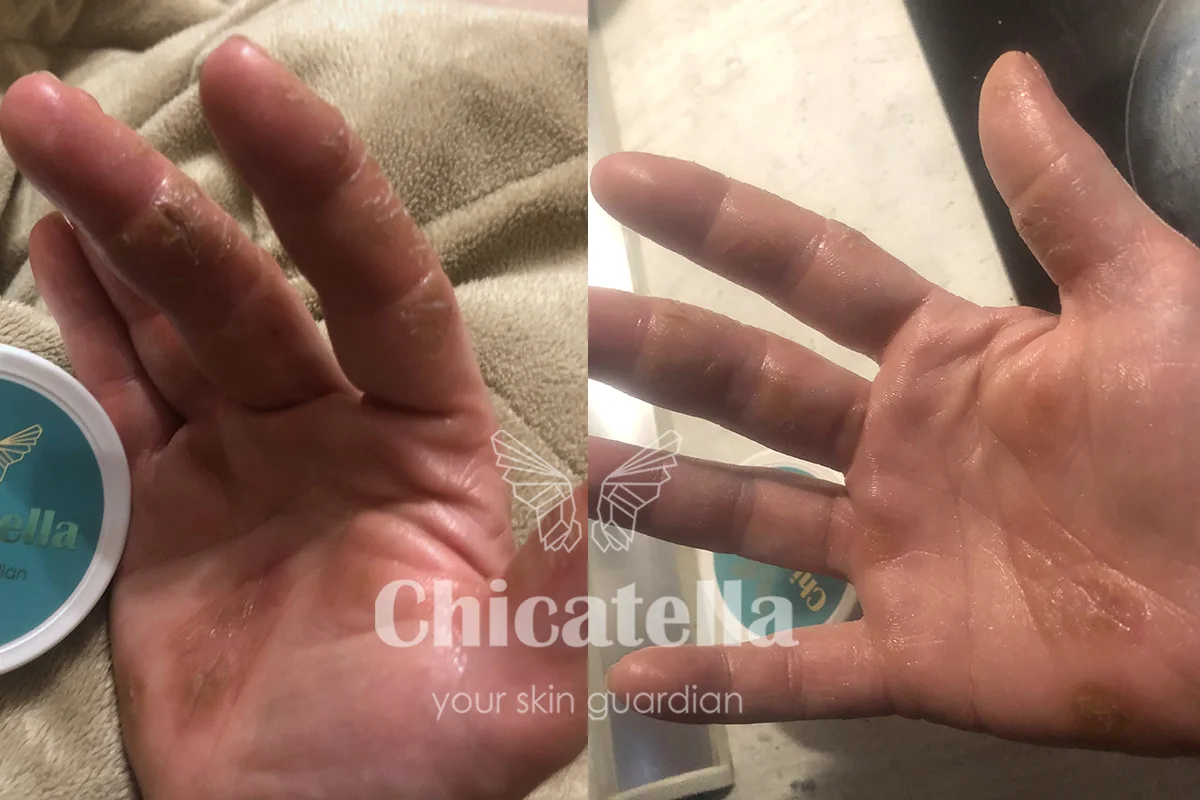
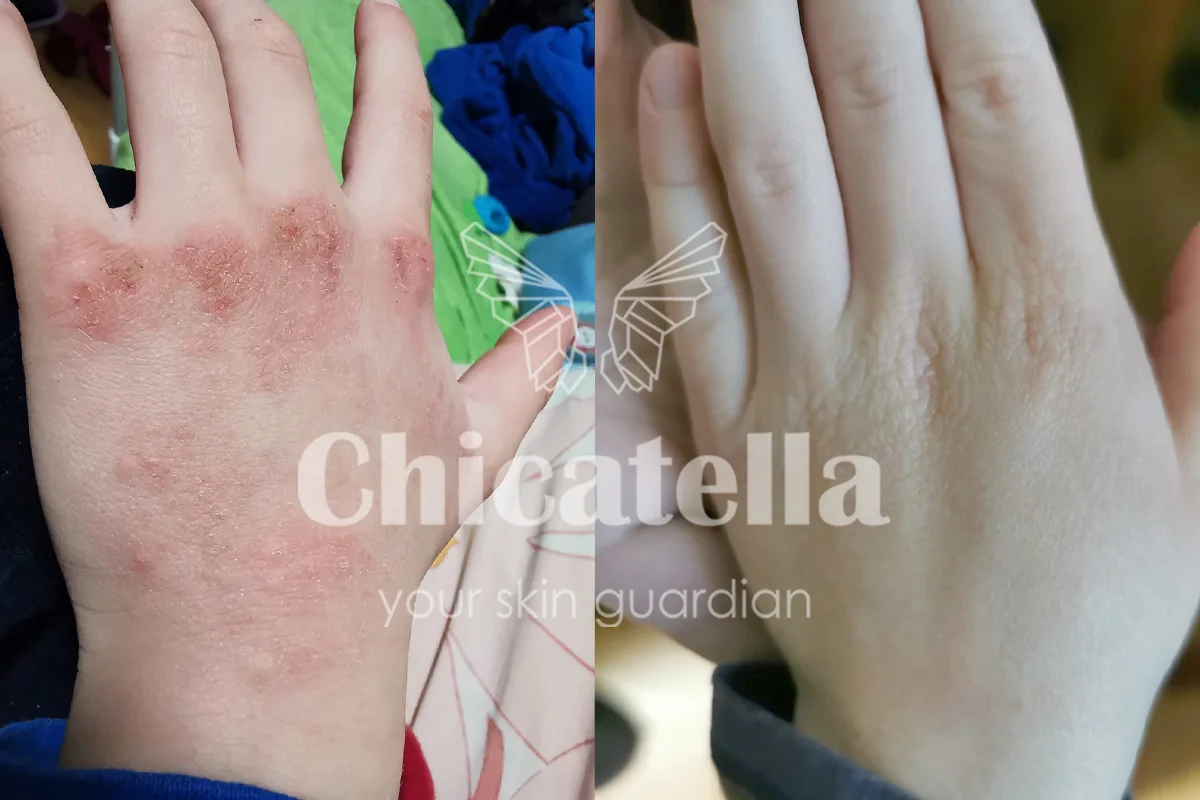
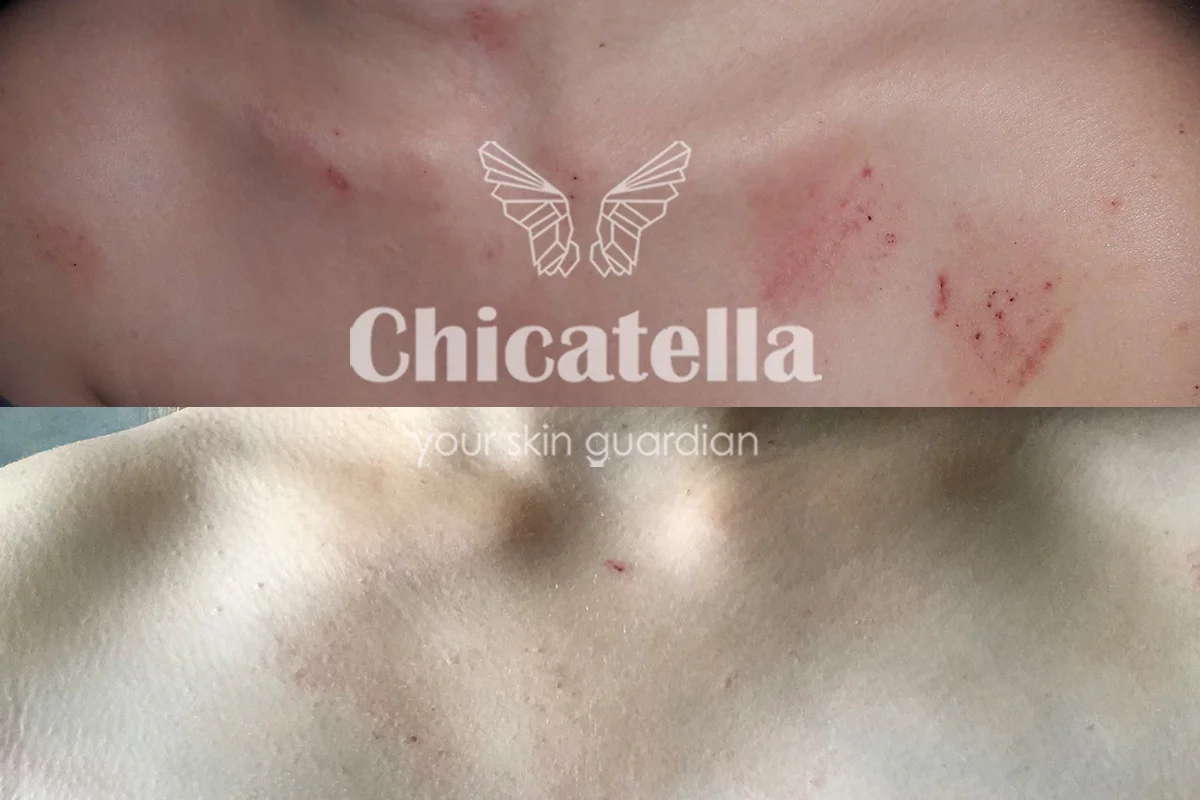
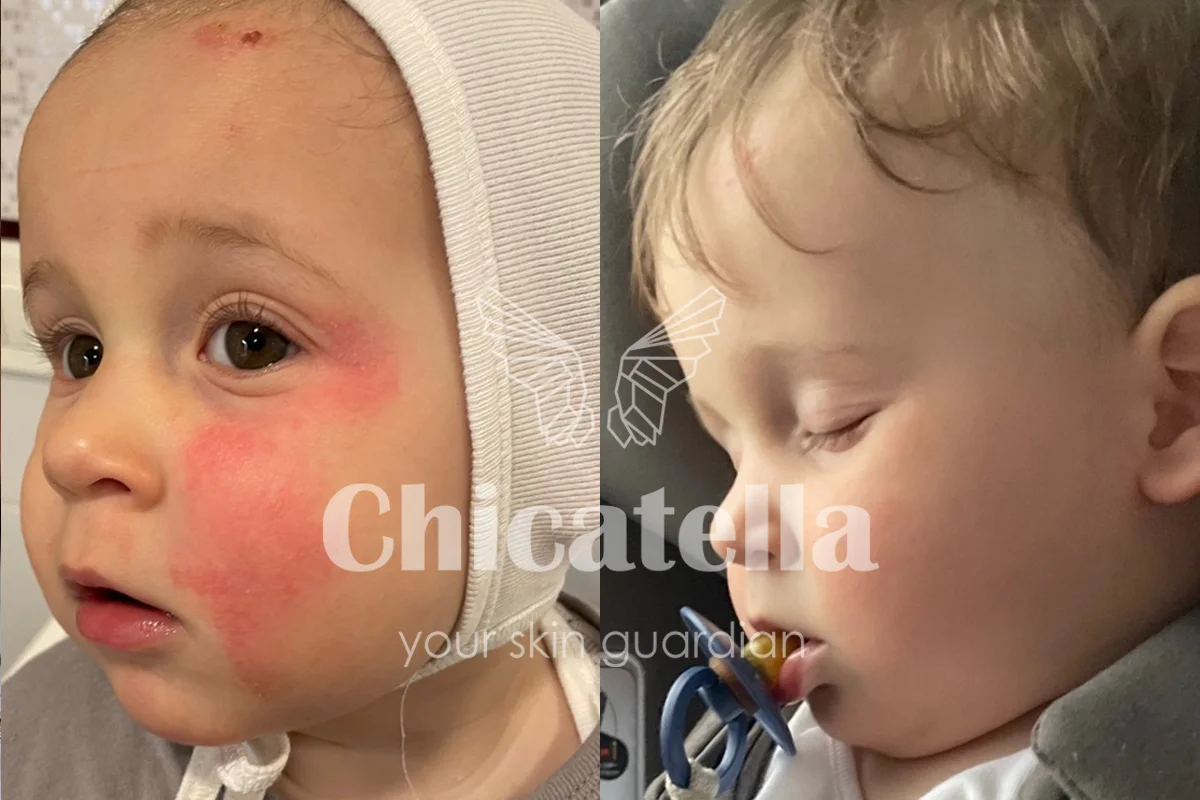
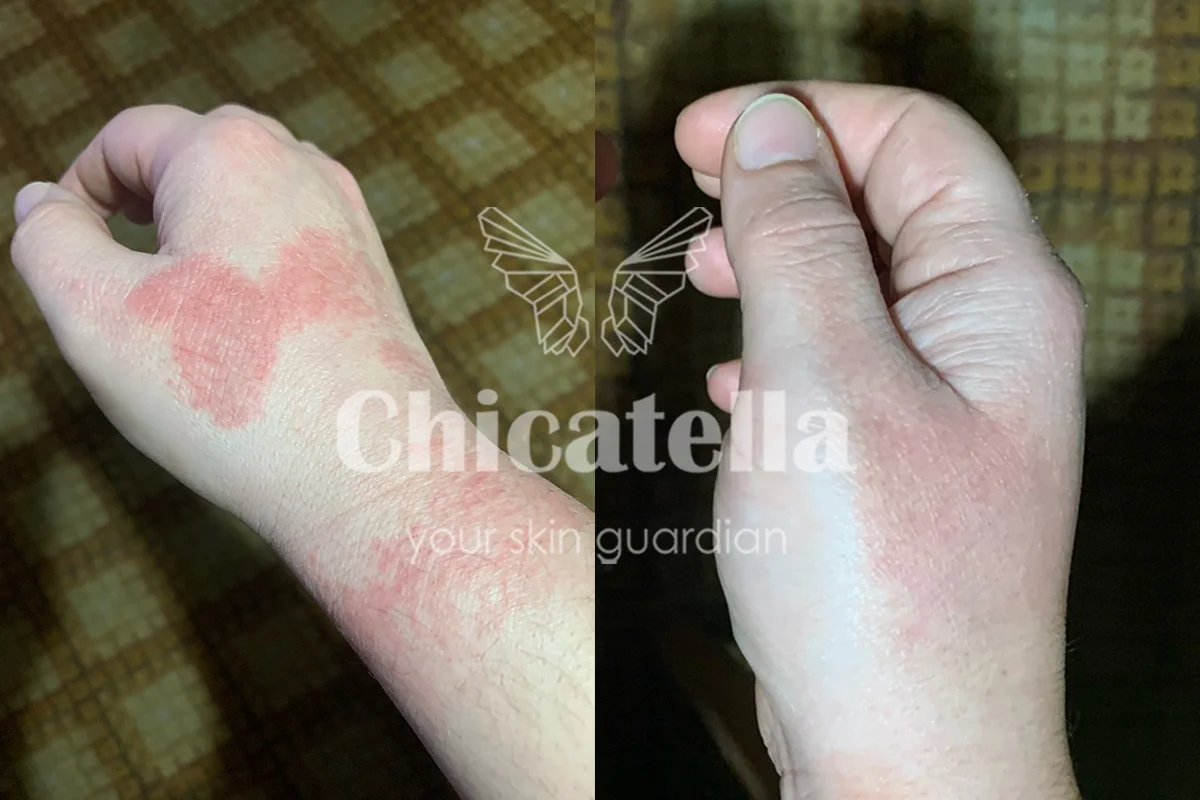
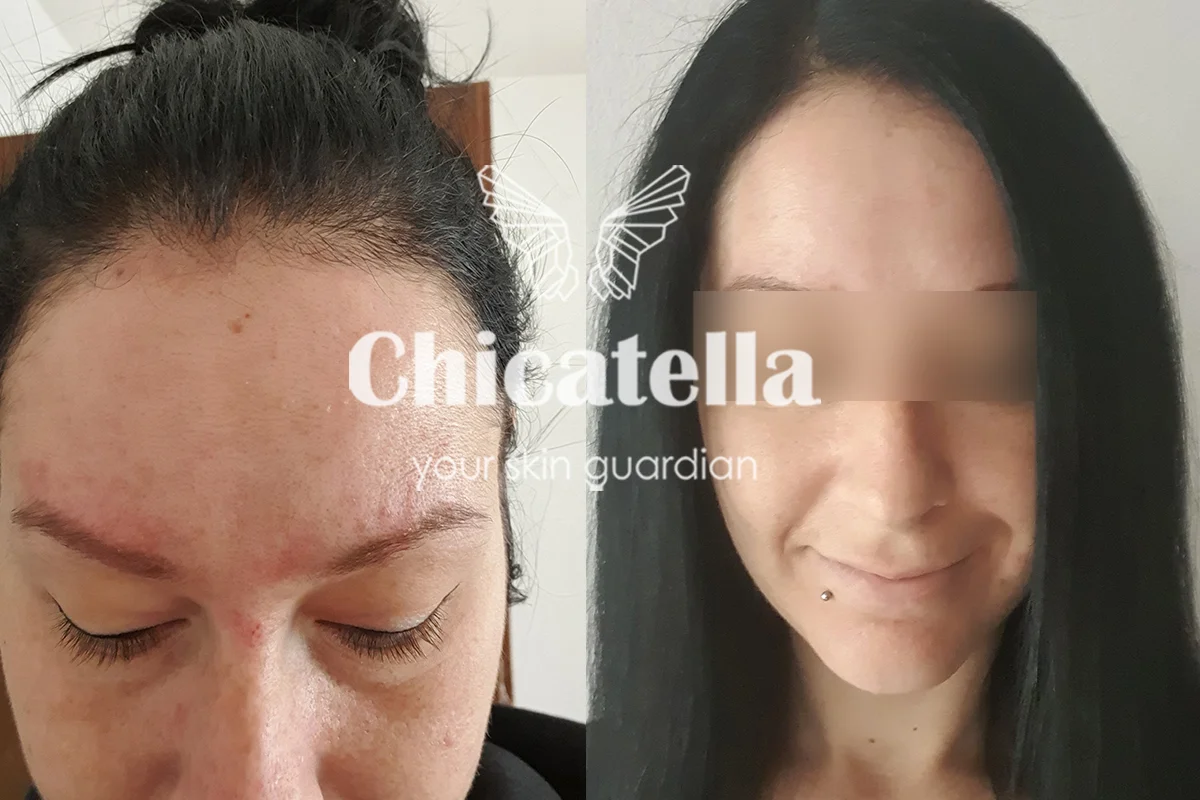
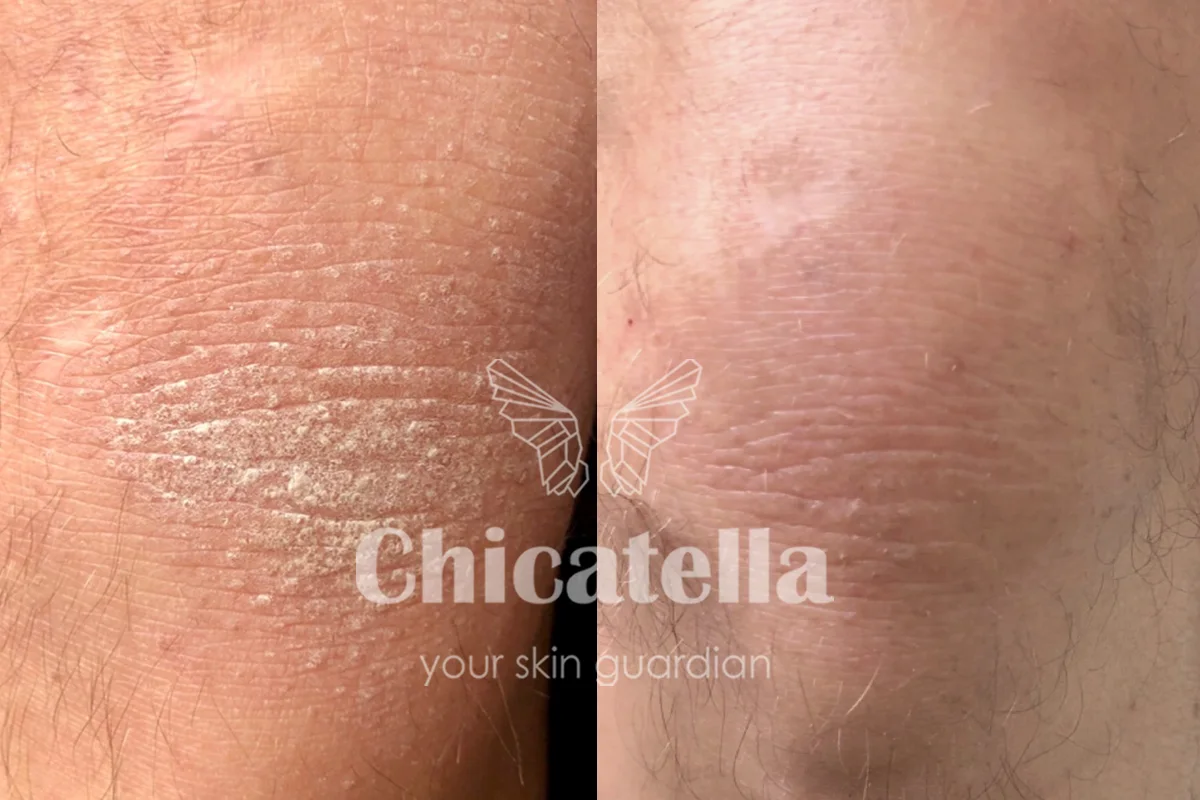
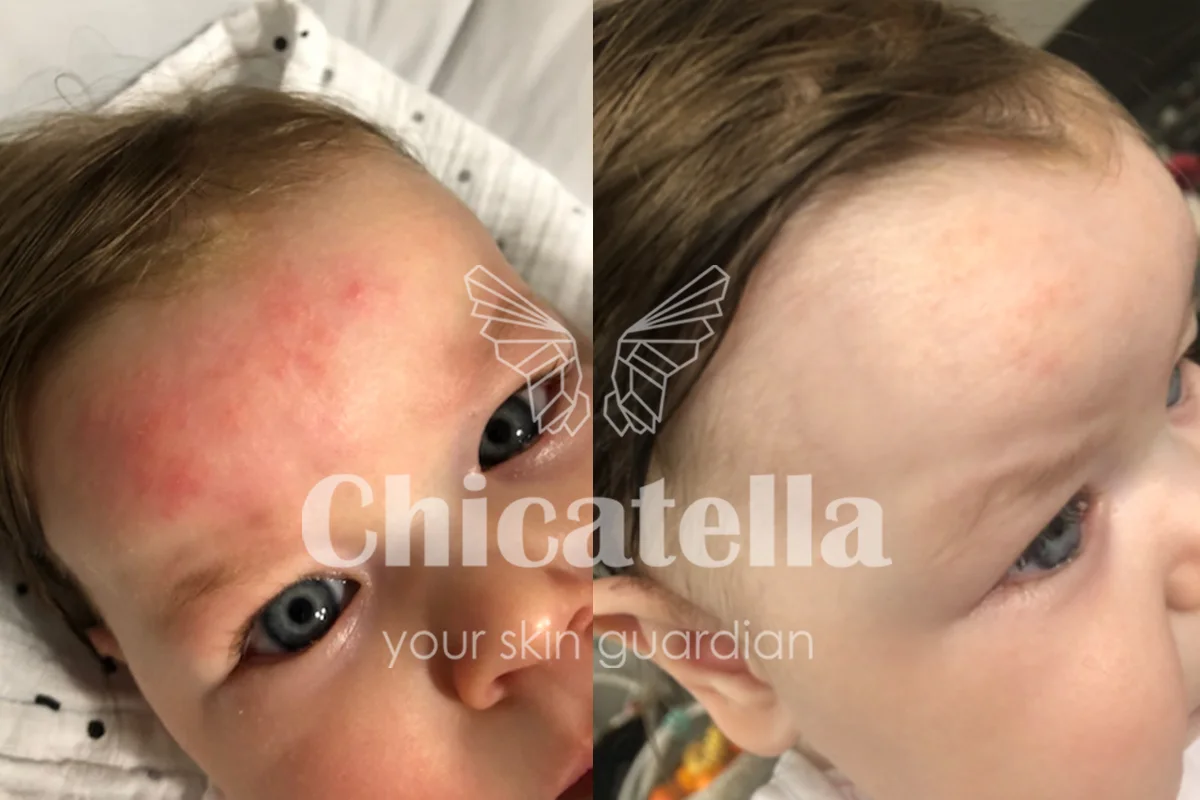
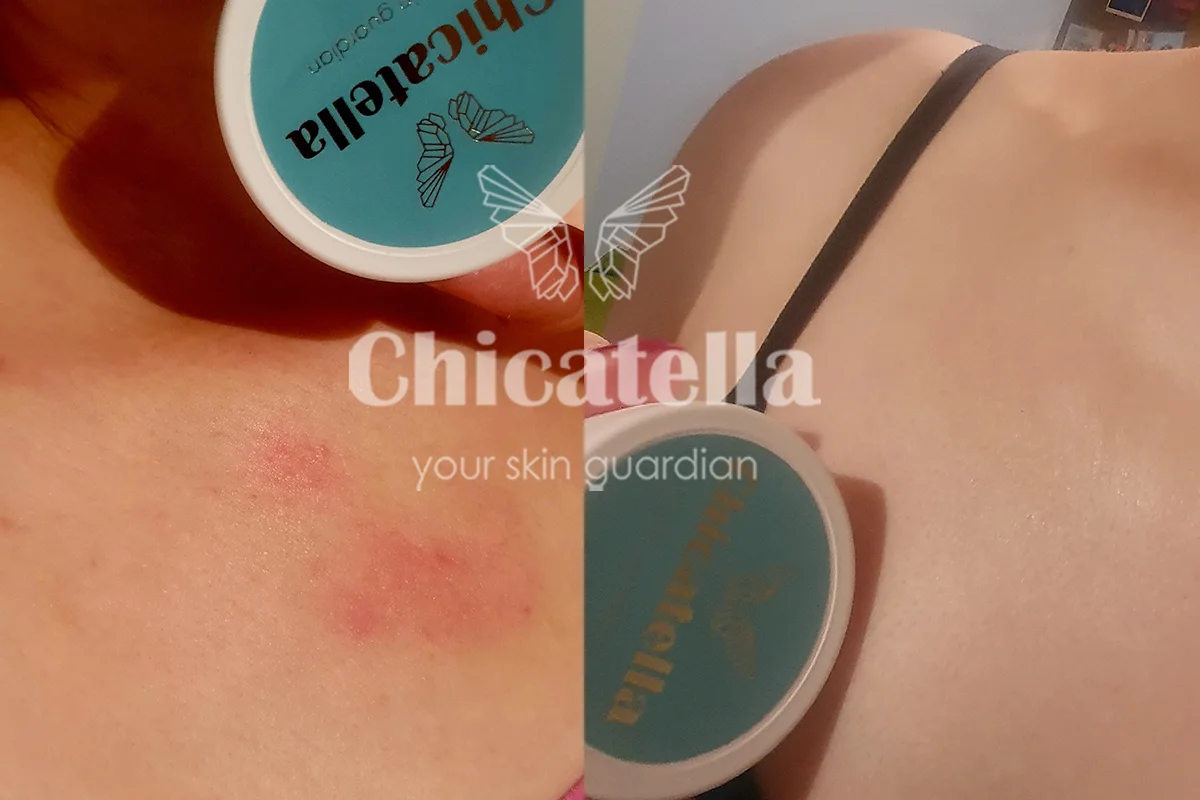
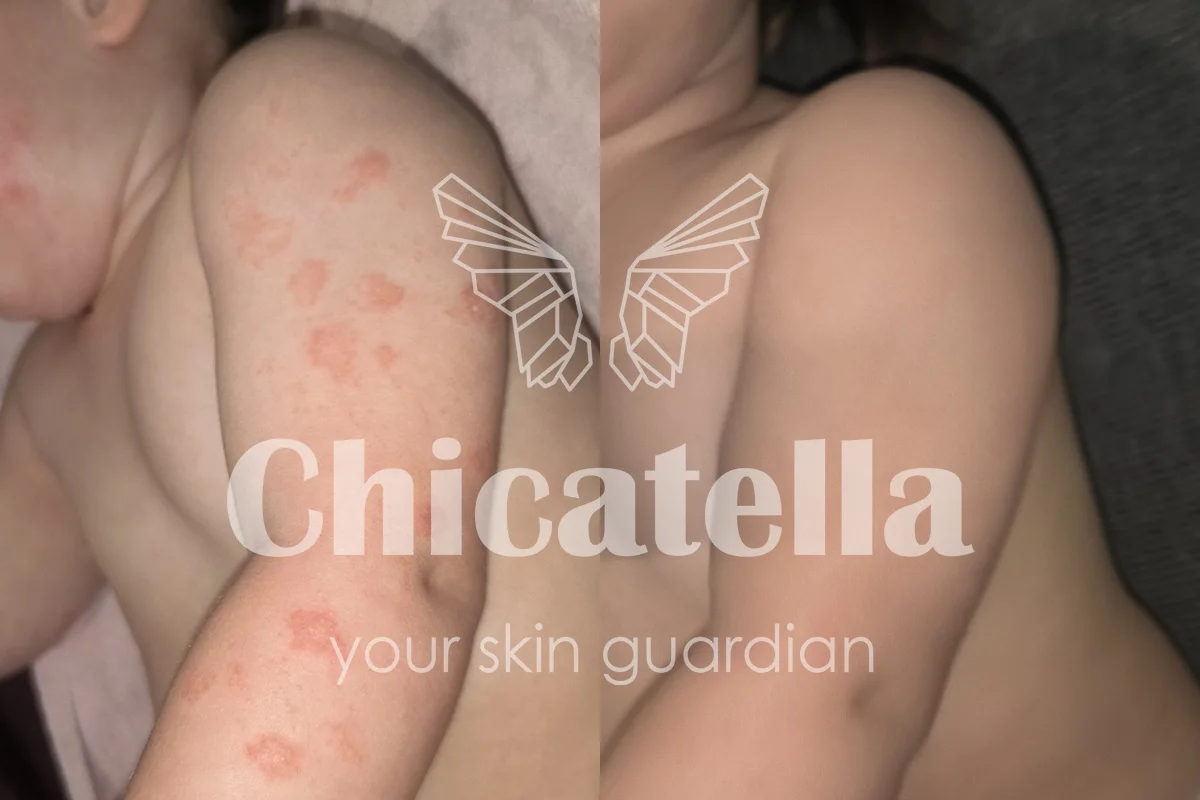
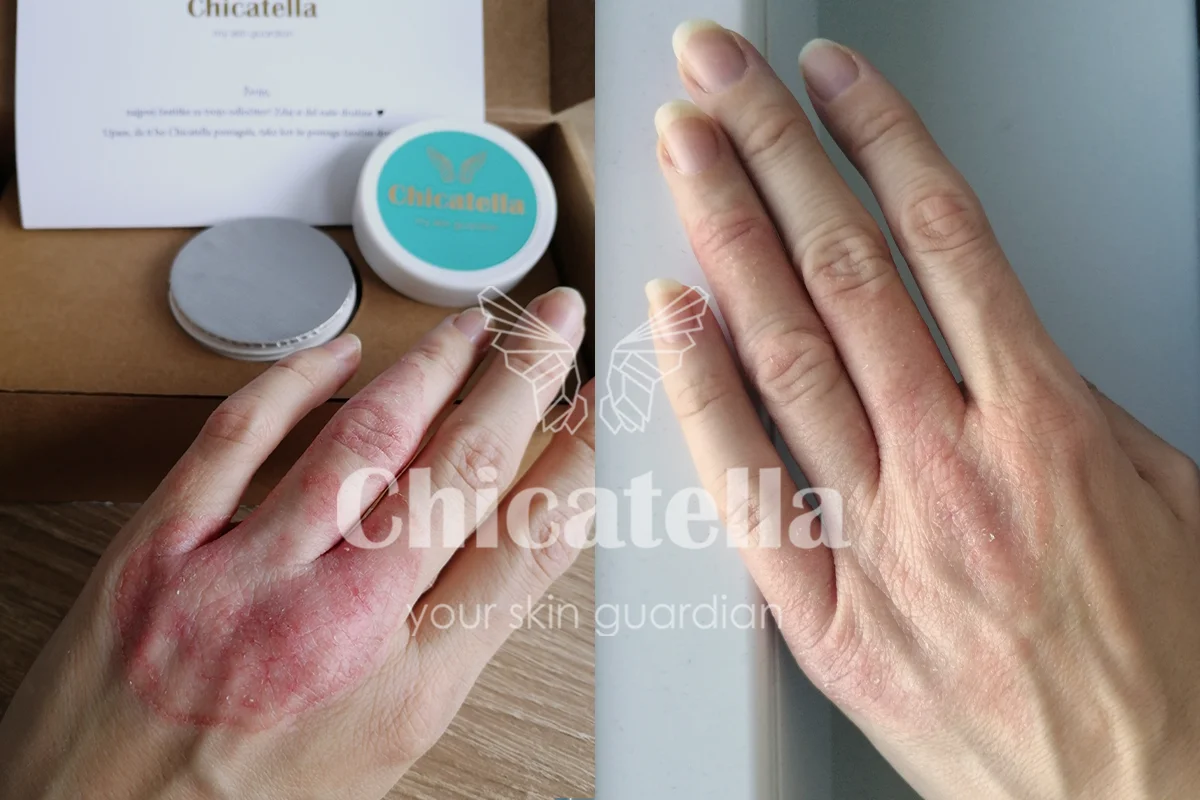
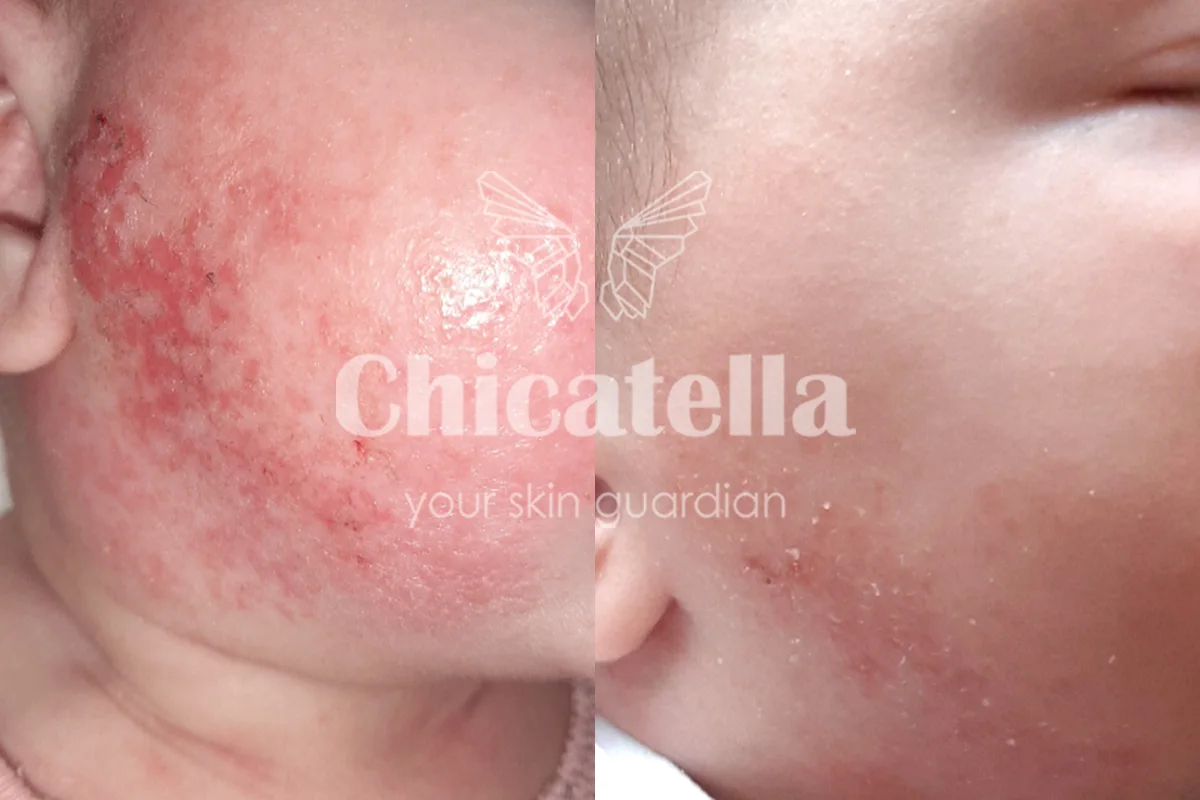
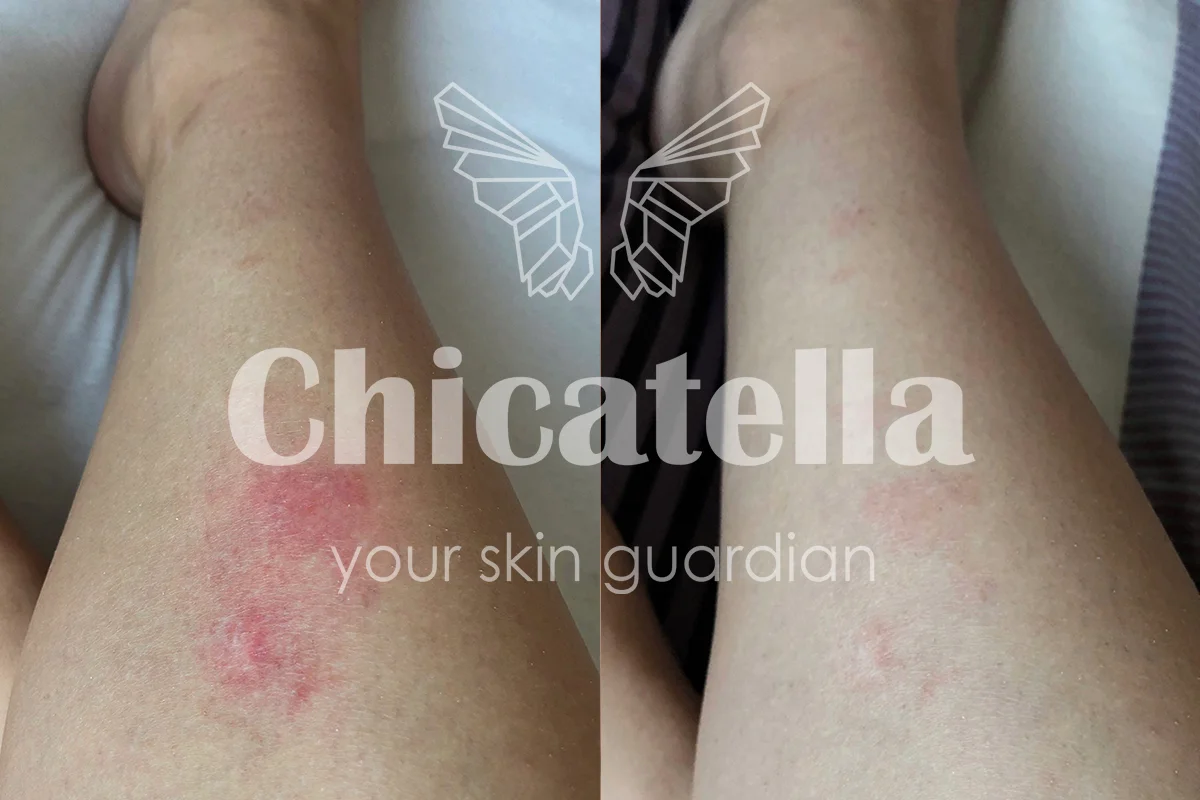
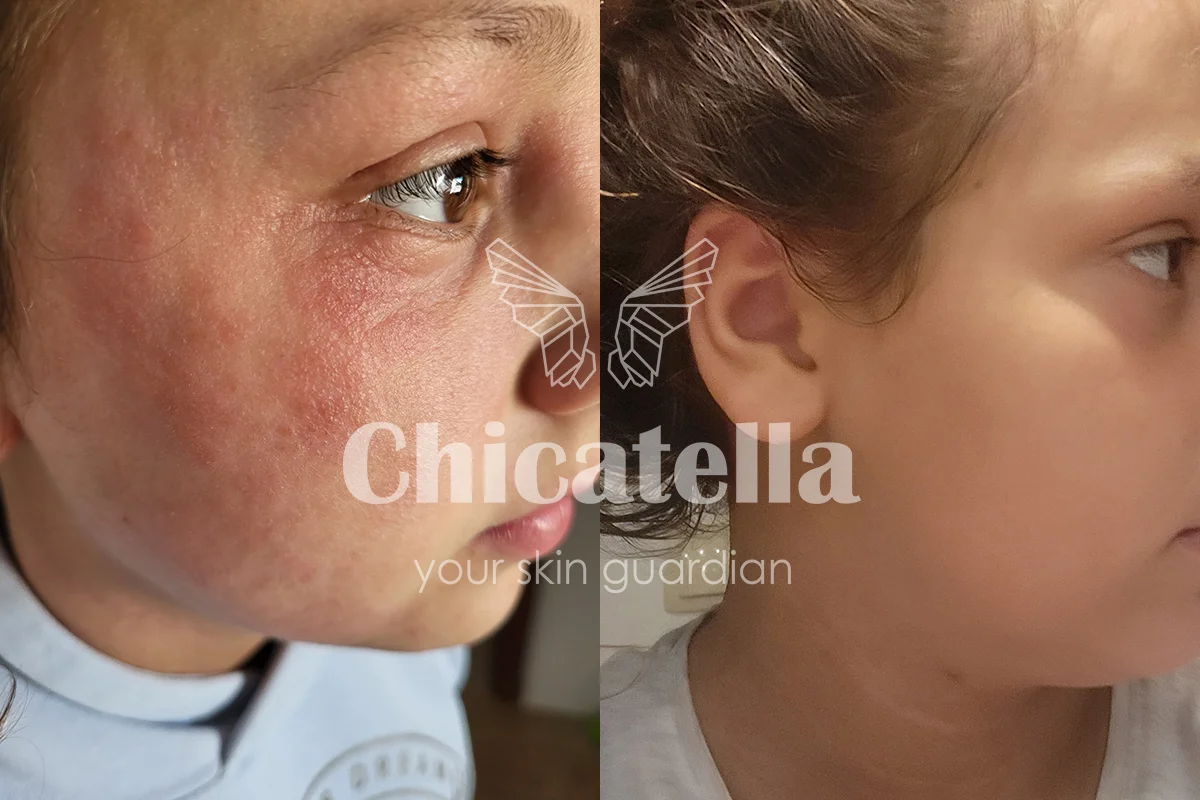
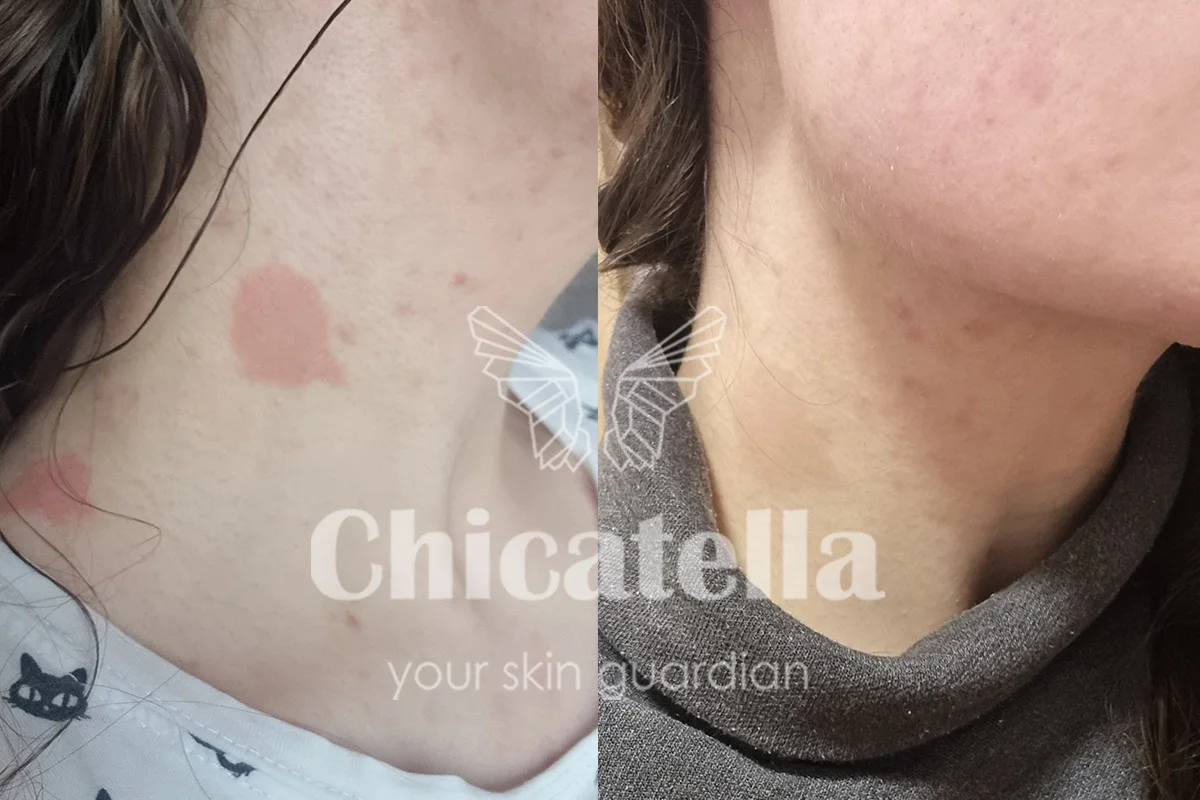
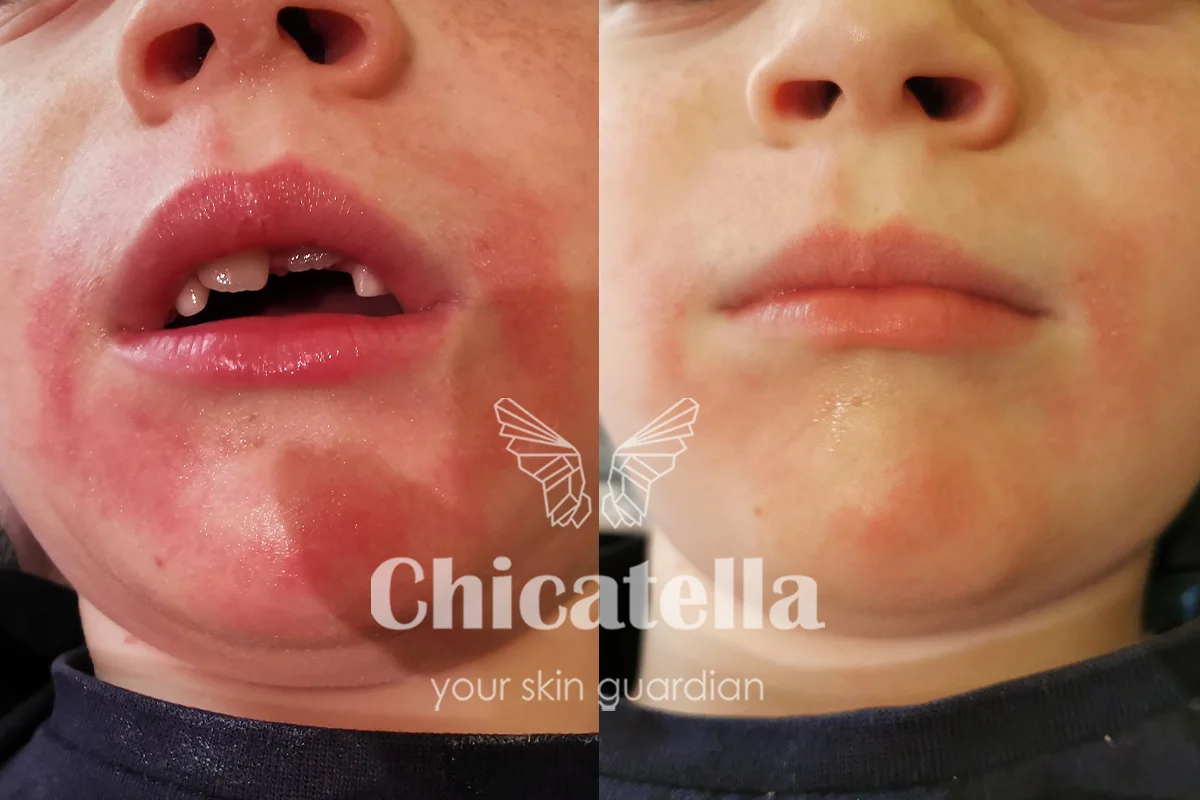
What our customers sent us
These photos show individual experiences of customers after using Chicatella cosmetic products. The improvement shown doesn’t mean the product treats dermatitis or any other skin condition. Cosmetic care isn’t medicine, and results vary from person to person.
Keep reading
For those who want to go deeper
Is every dermatitis caused by a damaged skin barrier?
Can a product cause an allergy even if I’ve used it for a long time?
What’s the difference between irritant and allergic contact dermatitis?
Can a photo reliably tell which type of dermatitis it is?
What’s the difference between a patch test and a prick test?
Why does a steroid cream sometimes make things worse?
Is dermatitis herpetiformis related to herpes?
Should I stop eating gluten if I have an itchy rash?
Is dyshidrotic eczema caused by sweating?
Can I use an occlusive ointment for every kind of dermatitis?
Can I have atopic and contact dermatitis at the same time?
- 01Eczema – types and treatment. American Academy of Dermatology. ↗︎
- 02Eczema pathology. DermNet NZ. ↗︎
- 03Dyshidrotic eczema: causes. American Academy of Dermatology. ↗︎
- 04Dermatitis herpetiformis – European guidelines. JEADV. ↗︎
- 05Dermatitis herpetiformis (not herpes). Cleveland Clinic. ↗︎
- 06Patch testing – recommendations, 2026. Contact Dermatitis (ESCD). ↗︎
- 07Seborrheic dermatitis and barrier function. Experimental Dermatology. ↗︎
- 08Periorificial (perioral) dermatitis. DermNet NZ. ↗︎
- 09Nummular dermatitis. American Academy of Dermatology. ↗︎
- 10Stasis dermatitis – a review. Dermatitis. ↗︎
- 11Ringworm treatment (steroids and fungal infections). CDC. ↗︎
- 12Tinea incognito – a review, 2024. J Clin Med. ↗︎
- 13Molecular profiles of chronic hand eczema, 2025. Allergy. ↗︎
- 14Tape stripping in inflammatory skin diseases, 2026. Acta Derm Venereol. ↗︎
- 15Using skin tape strips – a review, 2026. Clin Transl Allergy. ↗︎
- 16Anzupgo (delgocitinib) – EPAR. European Medicines Agency. ↗︎
- 17Roflumilast foam for seborrheic dermatitis – phase 3. PubMed. ↗︎
- 18EU Regulation 1223/2009 on cosmetic products. ↗︎
- 19EU Regulation 655/2013 on cosmetic claims. ↗︎
This content is for general education and doesn’t replace a diagnosis or treatment from a doctor, pediatrician or dermatologist. If things get worse quickly, or there’s pain, signs of infection, eye involvement or one suddenly swollen, painful leg, get medical help.