Psoriasis isn’t just dry skin. Under the scales, your skin renews itself too fast
You can soften the scales, but that doesn’t stop the process that makes them. Once you understand the difference between the skin’s surface, immune-driven inflammation and the signs on your nails and joints, it’s easier to know what everyday care can do and when you need treatment.
It’s not contagious. It’s not just dry skin. It can affect your nails and joints too.
If you’re looking for a broader overview of skin inflammation, start with dermatitis. This page is only about psoriasis.

How we put this article together
The short version
Psoriasis is a long-term, immune-driven inflammatory disease, and it’s not contagious.
Skin cells can form in a few days instead of weeks, so they pile up on the surface.
Moisturizing and protective care can ease dryness, tightness and cracking, but it doesn’t stop the immune process.
How serious it is doesn’t depend only on the size of the area. Palms, soles, face, genitals, scalp or nails can have a big impact on your life.
Nail changes, swollen joints, morning stiffness, a painful heel or a whole swollen finger are reasons for a doctor’s assessment.
Widespread, badly changed skin, lots of pus-filled bumps, fever, chills or feeling unwell need medical help fast.
Scales are the visible part of the process, not its cause. So softening them isn’t the same as treating the disease.
Eight calm steps, nothing to buy
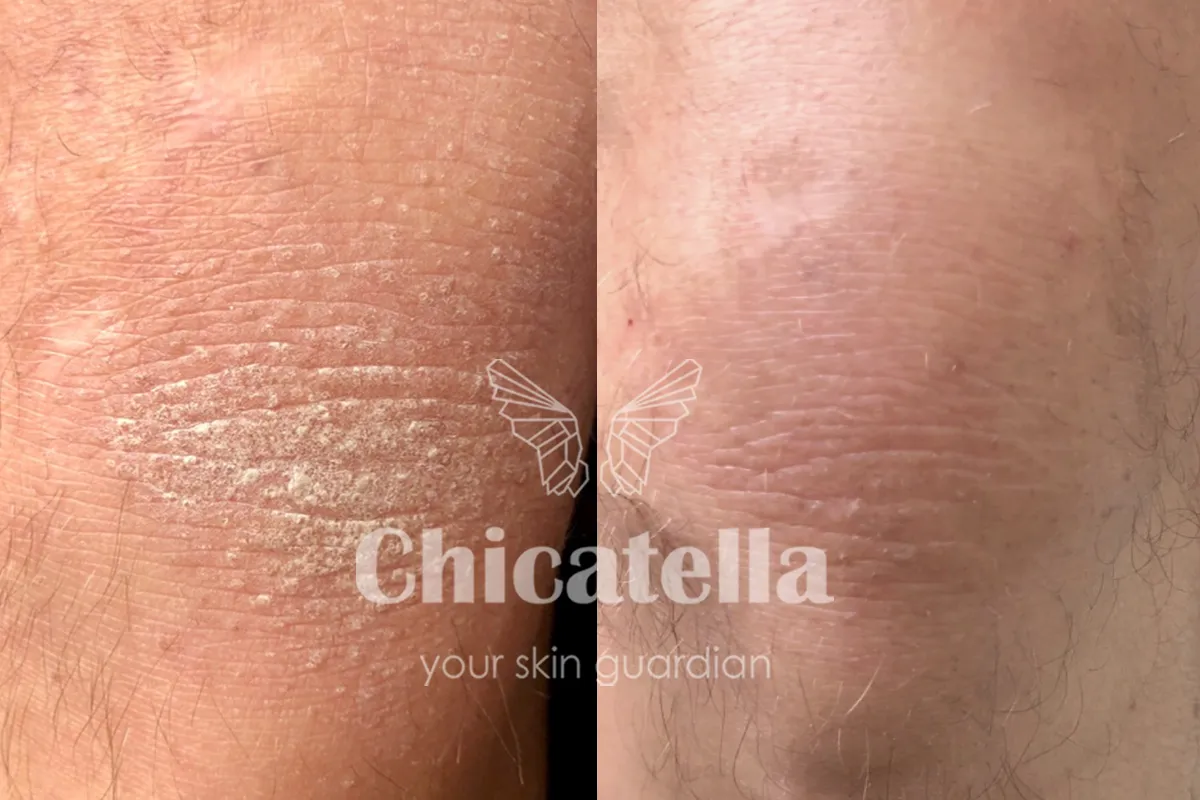
Psoriasis pictures: what you might notice
Swipe on your phone, use the arrows on a computer. A photo shows what skin looks like, but it’s not enough for a diagnosis. A doctor or dermatologist confirms that.
Quick answers first
What is psoriasis?
Is psoriasis contagious?
Why do scales form?
How do I know if it’s psoriasis or eczema?
Can psoriasis be cured?
What helps with psoriasis?
What kind of cream or ointment makes sense?
Can psoriasis affect the joints?
When should I see a doctor?
Is there a special diet for psoriasis?
A conveyor belt that runs too fast
Picture a conveyor belt carrying skin cells up to the surface. With psoriasis, the immune system sends inflammatory signals that speed things up by mistake, so the belt runs much faster. New cells reach the surface before the old ones have had a chance to leave, and they pile up.
The immune system sends inflammatory signals that speed things up by mistake.
So skin cells mature and reach the surface too fast.
The surface can’t clear them in time.
Raised, scaly patches form that can itch, burn, crack or bleed.
Makes skin more comfortable: less tightness, less cracking. That’s the job of skin care.
Targets the cause that creates the scales. That’s the job of your doctor and medicine.
Your skin, the inflammation and the rest of your body
Psoriasis isn’t only what you can see. To understand what you need, it helps to look at three layers at once.
Scales, dryness, cracks, changes in skin color, itching and pain. This is the only part you can notice yourself.
Immune-driven inflammation and skin cells forming too fast. You can’t see it, but that’s exactly what treatment targets.
Nails, joints, getting through the day, sleep, mental strain and other health links.
The size of the affected area isn’t the only measure of how serious it is. A small patch on a palm, sole, face or genitals can have a big impact on how you move, work, sleep and feel. A visible disease isn’t a surface-level problem, and the distress that comes with it is understandable, not an overreaction.NICE↗︎
What types are there?
The type tells you the pattern the disease shows up in. One person can have more than one type over time.
| Type | What it can look like | What matters |
|---|---|---|
| Plaque psoriasis | Sharply defined, raised, scaly patches. A “plaque” means a clearly outlined, slightly raised patch of skin. | The most common type. |
| Guttate psoriasis | Lots of small, drop-shaped spots. | Can appear after an infection, especially in younger people. |
| Inverse psoriasis (in skin folds) | Smoother, shinier, less scaly skin. | Moisture and rubbing can change how it looks. |
| Pustular psoriasis | Bumps filled with non-infectious inflammatory fluid. | A widespread form together with feeling unwell can be an emergency. |
| Erythrodermic psoriasis | Very widespread, badly inflamed skin that looks burned. | It can be life-threatening and needs help right away. |
The scalp, nails, palms, soles and genitals aren’t separate types of the disease. They’re important places where psoriasis can show up, and these places often affect daily life the most.AAD↗︎
It can look different on every part of the body
How does psoriasis differ from similar conditions?
The table below lists hints, not proof. No single feature confirms a diagnosis on its own.
| Feature | Psoriasis: when skin renews itself too fast | Eczema / dermatitis | Seborrheic dermatitis | Fungal infection |
|---|---|---|---|---|
| Edge of the patch | Often sharper | Often less sharp | Mainly oilier areas | May have a more active outer edge |
| Scales | Often thicker and drier | Can be finer or come with oozing | Often greasier | Can look very different |
| Common areas | Elbows, knees, scalp, nails | Varies by type | Scalp, eyebrows, sides of the nose | Anywhere on the skin |
| Itching | Can be strong | Often very strong | Often present | Can be present |
| Extra hints | Nails, joints, symmetry | Allergies, irritants, sensitive skin | Oilier skin and dandruff | Spreading or contact with a source of infection |
More on related conditions: eczema, atopic dermatitis, contact dermatitis and dry skin.
Same inflammation, different color
- →On lighter skin, inflamed patches are often pink or red with light-colored scales.
- →On darker skin they can be purple, dark brown or grayish.
- →After it calms down, a lighter or darker mark can stay for a long time.
- →No bright red color doesn’t mean no inflammation.

When psoriasis shows up where your skin was hurt
For some people, a new scaly patch appears where the skin was injured or badly irritated: after scratching, a cut, a burn, heavy rubbing or a tattoo. It doesn’t happen to everyone, and it’s not your fault.Source↗︎
That doesn’t mean you have to avoid everything. What helps is treating your skin gently, avoiding sunburn and not picking off scales on purpose.
Why does psoriasis itch, burn or crack?
Picture bricks and mortar: skin cells are the bricks and the fats between them are the mortar. With psoriasis this surface is built in a rush and holds together less well, so water escapes faster and the skin gets tight and cracks.
A damaged protective layer isn’t the main cause of psoriasis. It’s part of the problem on the surface, not the explanation for the whole disease. That’s why skin care makes skin more comfortable but doesn’t stop the immune inflammation.
Cracking and pain disturb sleep and work, so don’t write them off as “just cosmetic.” They’re a real reason to talk to a doctor.
Nails aren’t just a cosmetic problem
Possible changes include:
- →tiny pits on the nail surface;
- →color changes;
- →the nail lifting off its bed;
- →thickening or crumbling;
- →changes in the skin under the nail.
Nail changes also matter because they can be linked to psoriatic arthritis, an inflammation of the joints linked to psoriasis. But not every nail change is psoriasis: an injury or a fungal infection can look similar.NICE↗︎
Psoriasis can affect the joints too
In about 1 in 3 people with psoriasis, a joint eventually becomes inflamed too. This is called psoriatic arthritis. It also means 2 in 3 don’t get it. Your skin doesn’t give you a heads-up: joints can be affected even when your skin is calm.NIAMS↗︎
Your joints are stiff for more than half an hour in the morning and only loosen up slowly.
A joint is swollen, warm or painful even though you didn’t hurt it.
A finger or toe is thick along its whole length, “like a sausage.”
Your heel hurts, or the spot where a tendon attaches to the bone, even without swelling.
Your lower back hurts at night and in the morning and gets better when you move, unlike a “regular” sore back.
Movements that used to be easy are now limited or painful.
Joint inflammation that goes untreated for a long time can leave permanent damage. Caught early, it can be well controlled.
Check for the signs every year, especially in the first years after a psoriasis diagnosis.NICE QS40↗︎EULAR↗︎
If you notice any of these signs, tell your doctor, even if your skin is calm.
What can set off a flare-up or make it worse?
Seven things that set off or worsen a flare-up for some people. These aren’t rules: what makes one person worse may do nothing for someone else.AAD↗︎
Especially a throat infection like strep throat. For guttate psoriasis it’s the most common trigger.
A scratch, a cut, a burn or a tight waistband. A new patch can grow in that spot.
Long-term strain or a major shock. Your body responds through your skin too.
Smoking and drinking a lot of alcohol. Both make inflammation and your response to treatment worse.
Some medications for the heart, blood pressure or mental health can make psoriasis worse.
Suddenly stopping or changing medicines, especially corticosteroids, can set off a strong flare-up.
Moderate sun does many people good, but a sunburn is a skin injury and can set off a flare-up.
If you think a flare-up is linked to a medication, don’t stop taking it on your own. Your doctor can check the link and find a safer option.
Diet as support for treatment
- →There’s no single diet that cures psoriasis.
- →A balanced diet, exercise, a healthy weight and quitting smoking can support your overall health.
- →Diet doesn’t replace treatment.
- →Cutting out lots of foods without a clear reason can lead to nutrient gaps and extra stress.
- →Supplements, “detoxes,” anti-fungal cleanses and similar protocols aren’t psoriasis treatments.
Psoriasis isn’t caused by a lack of discipline. It comes from an inflammatory process in the body, not from what you ate last night.
The microbiome and psoriasis: what we really know
The microbiome is the billions of bacteria and other microbes living on your skin and in your gut. In people with psoriasis, its makeup is often different. What does that mean? Less than the ads promise.
Researchers compare the microbes on the skin and in the gut of people with and without psoriasis.Source↗︎
They’ve found differences in the makeup of the microbes between the two groups.2025↗︎
Which came first: do the differences cause the disease, or does the disease cause the differences? Or are both changed by something else, like diet, medication or smoking?Study↗︎
Whether a cosmetic, a probiotic or a special diet can “balance the microbiome” and help psoriasis that way. There’s no evidence for it.
The claim runs ahead of the evidence. A diet, a probiotic or a cream doesn’t cure psoriasis.
The microbes on your skin are an ally that needs calm: gentle washing, no harsh disinfectants and no rough scrubs. That’s what we call microbiome-friendly care.
Serious research is underway. If the microbiome ever becomes part of treatment, it’ll come from research and through your doctor, not from an ad.
How do doctors tell if it’s psoriasis?
That’s exactly why this article doesn’t offer a quiz to tell you whether you have psoriasis. A doctor or dermatologist confirms the diagnosis with an exam that no website can replace.
How is psoriasis treated today?
Treatment steps up depending on what you need. A lower level isn’t “worse,” it’s just less extensive.
They work right where the changes are. Often the first choice when the area is limited.
Measured doses of light on a set plan, at a medical facility.
They work throughout the body, so they need monitoring.
They act on specific parts of the immune process that drives the disease.
Used correctly, medicines, including corticosteroids you put on your skin, are an established part of treatment. They’re nothing to be afraid of. Cosmetics don’t replace them and have a different job. Your doctor decides what to use, where and for how long.AAD↗︎EuroGuiDerm↗︎
Phototherapy isn’t the same as sunbathing
A specific type and amount of light, on a plan, adjusted step by step. Always below the level that would damage the skin.
Weather, season, time of day and your skin all change. A sunburn can damage skin further and, for some people, set off new patches.
What can everyday skin care do, and what can’t it?
- dryness;
- tightness;
- a rough surface;
- cracking;
- that itchy feeling from dry skin;
- more comfortable everyday washing.
- stop the immune inflammation;
- cure psoriasis;
- treat psoriatic arthritis;
- replace prescribed medicines;
- prevent every future flare-up.
| Product type | What it does on the surface | When it can be useful | An important limit |
|---|---|---|---|
| Humectant | Helps hold on to water | For dehydrated skin | Some ingredients can sting on cracked skin |
| Emollient | Smooths and softens a rough surface | For dry, scaly skin | Doesn’t directly affect the immune inflammation |
| Occlusive product | Slows water loss (“occlusive” means it forms a protective layer) | For very dry areas that aren’t oozing | Can change how a medicine passes into the skin |
| Cleanser | Removes sweat and dirt | For short, lukewarm washing | Washing too often or too harshly can make dryness worse |
Water evaporates faster, and the skin gets tight and cracks.
The protective layer slows water loss. Skin stays softer.
Covering it can increase how much medicine gets into the skin. So check with your doctor or pharmacist first.NPF↗︎
When do you need help fast?
The last point matters just as much as the first two. Psoriasis is a visible disease, and the distress that comes with it is an understandable part of the problem, not an overreaction. It’s as worth talking about as the skin itself.
Leave the treatment to your doctor. You can trust us with the care.
Chicatella doesn’t treat psoriasis. But it does support very dry, rough or cracked skin, with less tightness and less cracking, when the product is chosen well and your skin tolerates it.
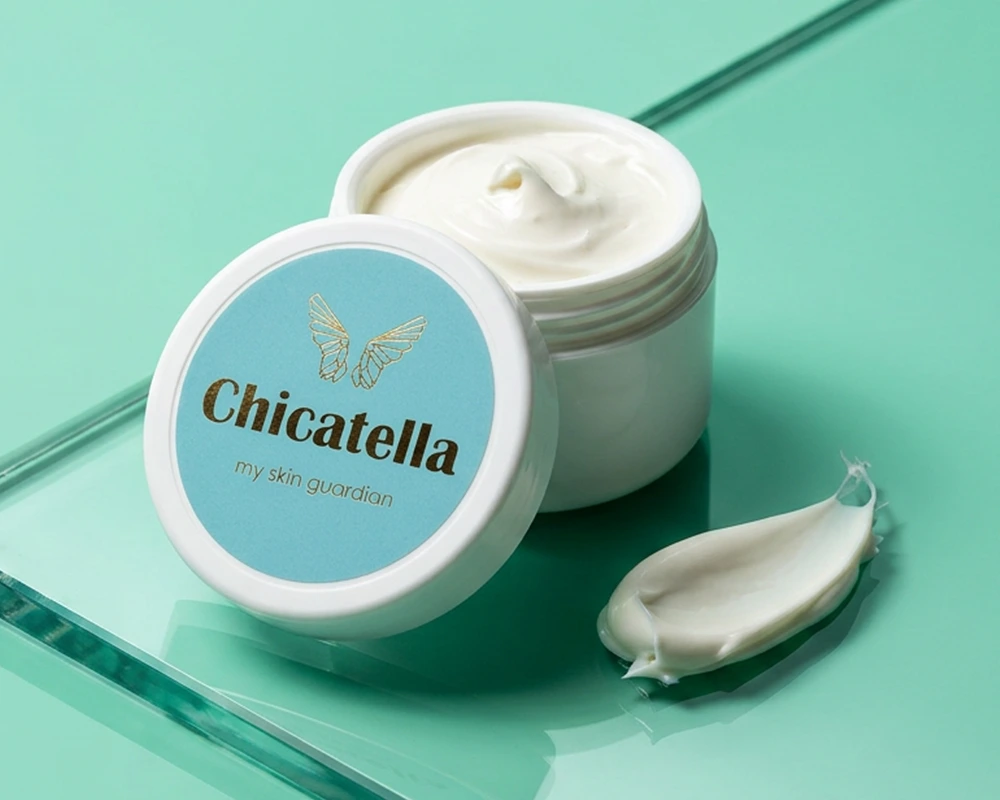
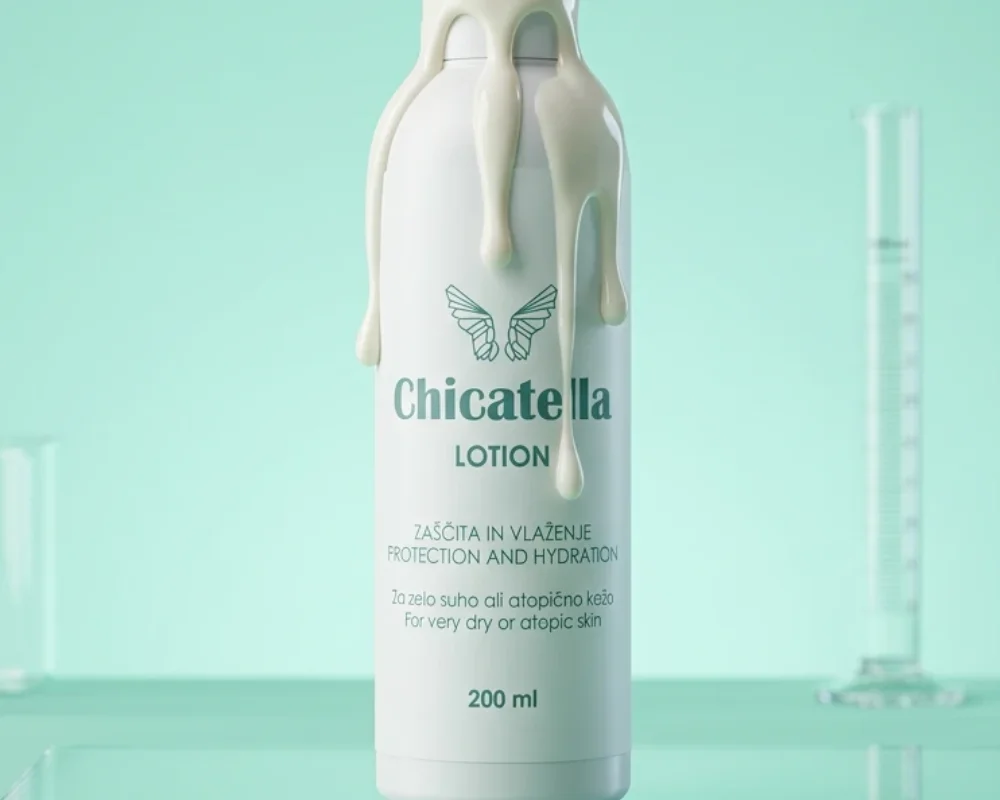
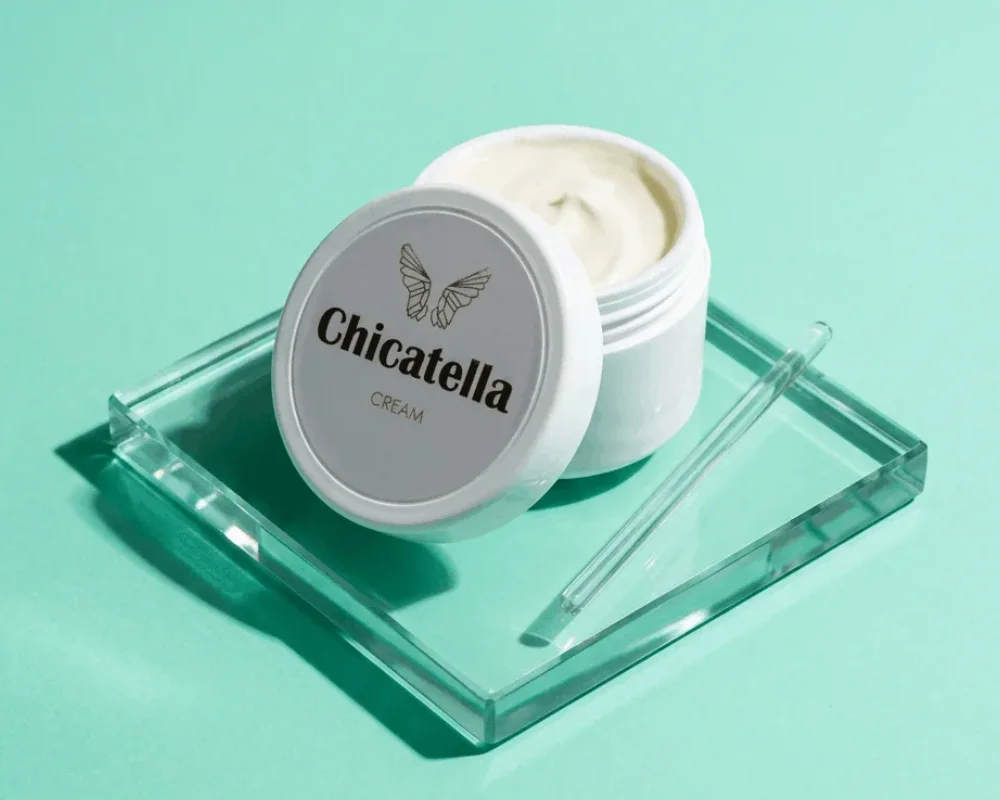
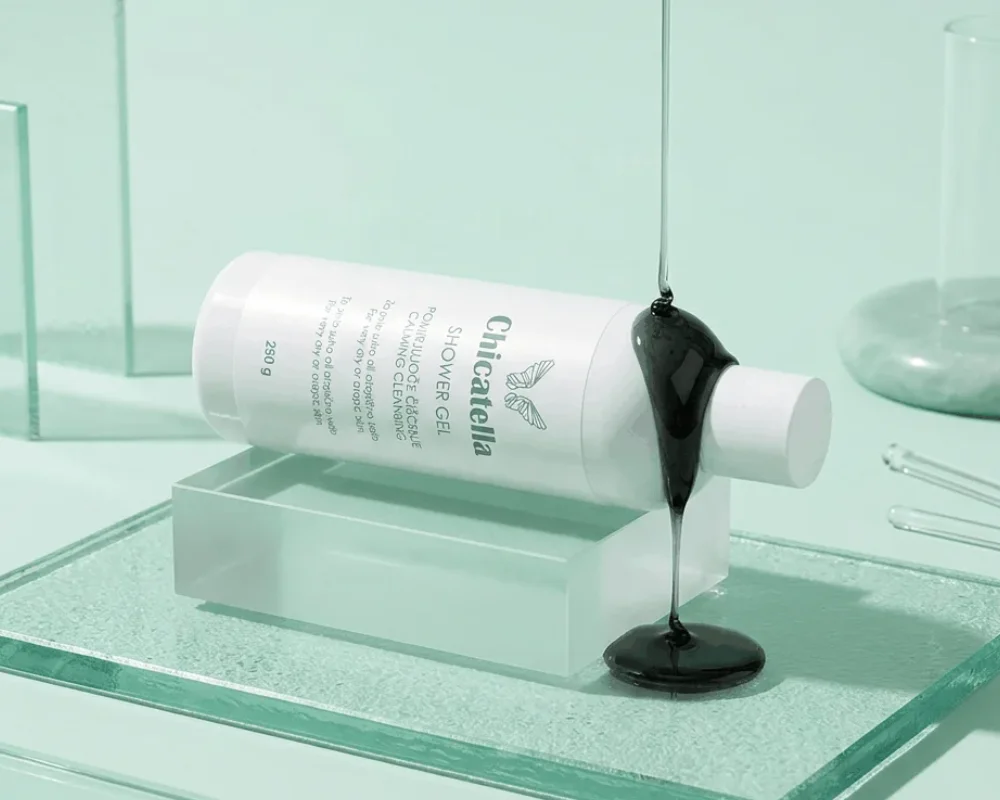
We use the same protective film for eczema-prone skin: eczema cream.
Product statements are cosmetic and kept separate from the medical information on this page, in line with EU Regulation 1223/2009 and EU Regulation 655/2013. If you have joint problems or feel unwell overall, cosmetics aren’t the answer. Get a doctor’s assessment.
Related guides
Find the right care for your skin in three steps
No guesswork. Answer three quick questions and we’ll tell you what your skin needs.
This article helps you understand psoriasis, its types and signs, but it can’t make a diagnosis or replace a doctor’s exam. A photo isn’t enough for a diagnosis; a doctor or dermatologist confirms that. Chicatella products are cosmetics for skin care, not medicines.
- 01Psoriasis. NIAMS, National Institutes of Health. ↗︎
- 02What is psoriasis? American Academy of Dermatology. ↗︎
- 03Psoriasis signs and symptoms. AAD. ↗︎
- 04Types of psoriasis. AAD. ↗︎
- 05Psoriasis clinical guidelines. AAD. ↗︎
- 06Psoriasis in different skin tones. AAD. ↗︎
- 07Psoriasis triggers. AAD. ↗︎
- 08Psoriasis treatment. AAD. ↗︎
- 09Phototherapy. AAD. ↗︎
- 10Biologic medicines. AAD. ↗︎
- 11Psoriasis: assessment and management (CG153). NICE. ↗︎
- 12Assessing for psoriatic arthritis (QS40). NICE. ↗︎
- 13Living EuroGuiDerm Guideline for systemic treatment of psoriasis vulgaris. ↗︎
- 14EuroGuiDerm psoriasis guideline, February 2025 (PDF). ↗︎
- 15EULAR recommendations for psoriatic arthritis, 2023 update. Annals of the Rheumatic Diseases. ↗︎
- 16National Psoriasis Foundation. ↗︎
- 17Over-the-counter topicals and occlusion. National Psoriasis Foundation. ↗︎
- 18Koebner phenomenon in psoriasis — review article. PubMed. ↗︎
- 19Gut microbiome and psoriasis — review, 2025. ↗︎
- 20Matched-pair microbiome study — the question of cause and effect. PubMed. ↗︎
- 21Skin microbiome in psoriasis — review. ↗︎