Dry skin isn’t just thirsty. It loses water faster than it can hold on to it
You can wet your skin for a few minutes, but that doesn’t mean it will keep the water. If its protective layer isn’t working well, the water evaporates fast, and your skin starts to feel tight, itch, crack or flake.
Once you know whether your skin needs to bind water, soften its surface or slow down evaporation, choosing between a lotion, a cream and an ointment gets a lot easier.

How we put this article together
Dry skin comes down to poor water retention
Dry skin holds on to water less well, so it escapes into the air faster. Frequent washing, hot water, dry air, friction, aging and some skin conditions make it worse.DermNet↗︎
You often need a richer protective layer, not a watery mist or a very light cream.
Dryness that comes on suddenly, itches intensely, bleeds or spreads widely is a reason to have a doctor take a look.
Five steps to better skin
Keep showers short and use comfortably warm water, not very hot.
Use cleanser mainly where you really need it. Don’t scrub until your skin feels “squeaky clean.”
After washing, gently pat your skin dry. Don’t rub it with the towel.
Put on lotion, cream or ointment within a few minutes, while your skin is still slightly damp.
Pick a richer texture wherever your skin is drier, rougher or cracked.
None of this means skipping the hygiene you need. It’s about how you wash and what you do right after.AAD↗︎
Dry skin doesn’t look the same on everyone
Eight common faces of dry skin: where it shows up, why there, and what helps. The sketches are simplified and aren’t a tool for diagnosing yourself.
Six questions you ask us most
Does drinking more water help dry skin?
What’s the difference between dry and dehydrated skin?
Why does my skin feel tight after a shower?
Can oily skin be dehydrated too?
Should I scrub off dry skin?
Can my skin get used to a cream?
Why skin loses water
It’s easiest to picture a wall. Skin cells are the bricks. The fats between them are the mortar. Inside the cells are natural substances that act like tiny sponges and hold on to water. If the bricks are out of order, the mortar is missing, or the sponges hold less water, it evaporates faster.
Of course, this is a comparison. Your skin doesn’t have real holes the water drains through. It’s about how well the whole surface holds water in.
The surface gets less flexible and tightens sooner.
The “mortar” between the cells seals less well.
The sponges inside the cells hold less moisture.Study↗︎
Cells come off in clumps, and you get visible flakes.
More water vapor escapes from the skin into the air than from a surface that works well.
The cells are stacked evenly, fats fill the space between them, and natural substances inside the cells hold on to water. The skin is soft, flexible and doesn’t feel tight.
The structure is less even, so water moves outward faster. The surface turns hard, rough and less flexible, and with more water loss you also get flakes, itching and cracks.
Doctors call very dry skin xerosis (xerosis cutis). From here on we just say “very dry skin.”Expert paper↗︎

Why dry skin flakes
Healthy skin sheds its surface cells invisibly, one at a time. It needs enough water to do that. When there’s too little water, the cells stick together and come off in bigger clumps. That’s when you see flakes.
- visible flakes don’t always mean your skin needs a strong scrub;
- rough scrubbing can damage an already dry surface even more;
- on thickened, rough skin, ingredients like urea or lactic acid can help;
- on cracked or very inflamed skin, those same ingredients may sting.
So exfoliating isn’t off-limits. The difference is whether you scrub your skin mechanically or thoughtfully use an ingredient that helps extra cells let go more easily.Review 2025↗︎
What happens in the shower
In the shower, water moves into the outer layer of your skin, so it can feel softer right afterward. At the same time, the rate at which that water then evaporates can go up. Long soaks and especially very hot water put extra strain on the protective layer, cleansers remove some of the surface oils, and rubbing with a towel adds mechanical irritation on top.Study↗︎
SHOWER
AFTER
In the first few minutes, applying a cream or ointment does the most to slow evaporation.
A study with 78 healthy volunteers found that measured skin hydration rose right after bathing, then dropped quickly and was back to its starting level in about ten minutes.Study↗︎
This shows the general pattern; your skin may respond differently.
Bind water, soften the skin, slow the loss
Good care does three different jobs. Once you know which one your skin needs, choosing a product gets much easier.Source↗︎
The most useful products often do more than one job. One formula can contain ingredients that bind water, soften the surface and reduce evaporation.
Lotion, cream or ointment
Texture is a decision about how much protection the area you’re caring for needs. It’s not a ranking from bad to best.
| Texture | When it’s often practical | Upside | Possible downside |
|---|---|---|---|
| Lotion | Larger body areas, everyday use, milder dryness | Quick and easy to apply | May not last long enough on very dry skin |
| Cream | Face, hands, moderately to very dry areas | A balance of comfort and protection | Not all creams are equally rich |
| Ointment | Small areas that are very dry, rough or cracked | Slows water loss the most | It’s thick and not right for every area or every person |
Texture alone doesn’t tell you everything about a formula. A lotion isn’t automatically bad, and an ointment isn’t automatically the best choice.
On the face, on acne-prone skin or around the mouth, a very thick protective layer may not be a good fit.
On dry, cracked hands or elbows, though, a richer layer is often exactly what was missing.
How your skin tolerates a product and using it regularly matter more than one trendy “miracle” ingredient.
The most common causes
Dryness rarely has just one cause. It’s usually a mix of your environment, your habits and your skin itself.
- dry air
- indoor heating
- air conditioning
- wind
- winter weather
- long stretches of heat
Cold plays a part too. Winter dryness usually comes from a mix of low humidity, wind, heating and bigger temperature swings.
- very hot water
- long showers
- frequent hand washing
- harsh cleansers
- working with detergents or solvents
- wearing wet gloves for a long time
- friction
More on this area: dry, irritated skin on the hands.
With age, skin renews itself more slowly and may make fewer of certain fats and substances that help hold water.
A systematic review of studies in older adults estimated that about 53% have very dry skin on average. The range between studies was wide, so the figure doesn’t apply to every age group or every country.Source↗︎
Dryness can come with atopic dermatitis, contact dermatitis, psoriasis or ichthyosis. Some medications, thyroid conditions, diabetes or kidney disease can play a role too.
Ordinary dry skin doesn’t mean a serious illness. These causes matter mostly when dryness is sudden, severe, widespread or won’t go away.
Dry or “dehydrated” skin?
It can be a long-term trait or a temporary state. It usually means your skin holds water less well, and often has fewer protective oils too.
A cosmetics term for skin that’s short on water right now. But a tight feeling on its own isn’t a diagnosis.
Even oily skin can feel tight after harsh cleansing. An oily shine doesn’t tell you how much water is in the outer layer.
Your forehead can be shiny while the skin around your nose feels tight and flakes. That doesn’t mean you need the richest ointment all over your face. Different areas can need different textures.
What about the microbiome?
Microorganisms live on your skin, and their home is shaped by your skin’s water, oils, temperature and acidity. When the surface dries out a lot, that home changes too. Studies have found links between using moisturizing care, a better protective layer and changes in the makeup of the microbiome.Study↗︎
That doesn’t mean all dry skin comes from a “disrupted microbiome.” It also doesn’t mean every product labeled “microbiome-friendly” has been proven to set the right balance.JCI 2025↗︎
The safest conclusion is that a well-working protective layer also makes for a steadier home for the microorganisms on your skin. Which change is the cause and which is the effect isn’t always clear.
Seven beliefs that often don’t help dry skin
Getting enough fluids matters for your body. Extra water may slightly improve measured hydration, especially in people who drank little before, but the evidence is limited. More water doesn’t make up for a damaged protective layer or the right care on the outside, and overdoing it doesn’t help.Source↗︎
Your skin doesn’t get lazy because you use a cream. When you stop, the old dryness can come back, because the cold, washing, age or an underlying skin condition haven’t gone anywhere.
How fast a cream absorbs doesn’t tell you whether the formula is good. Some light formulas bind water well, others really don’t last long enough for very dry skin. What counts is the whole formula and how your skin responds.
You can’t say that about a whole group of ingredients. Dimethicone can be a protective ingredient that reduces water loss. Still, a person can react to a specific formula with irritation or clogged pores.
Oil can soften your skin and slow water loss, but on its own it doesn’t necessarily contain ingredients that bind water. A well-designed cream can do several jobs at once.
Rough scrubbing can make cracks and irritation worse. On thickened skin, the right gentle exfoliating ingredients can help, but they aren’t the right pick for every cracked or very inflamed patch.
Sun protection and moisturizing are different jobs, but the same formula can also contain moisturizing, softening or protective ingredients. Not all sunscreens are the same.
A routine that helps
- apply cream or lotion to areas that feel tight;
- use proper sun protection on exposed areas;
- protect your hands from cold, wind or wet work.
- gently pat your skin dry;
- apply your care within a few minutes;
- add a thin layer of a richer ointment to very dry spots if needed.
- check which areas feel roughest;
- use a richer texture there;
- if your skin is irritated, don’t start several new products at once.
- apply more often if needed;
- think about a richer texture;
- in a dry room, a well-maintained humidifier can help.
There’s no one right number of applications. What counts is how your skin responds. Once a day is enough for some people, others need three times.
When dry skin is no longer just a cosmetic problem
Most dry skin responds well to gentle care. But some signs mean it’s worth bringing in a doctor.
- the dryness came on suddenly and is widespread;
- intense itching keeps you up at night;
- your skin bleeds, cracks deeply or doesn’t heal;
- there’s pain, warmth, pus or a fever;
- every product stings badly or makes things worse.
- along with the dryness you notice unusual tiredness, weight changes, a lot of thirst or other new symptoms;
- you have diabetes and cracks on your feet;
- it doesn’t get better despite regular, gentle care;
- atopic dermatitis, contact dermatitis, psoriasis or ichthyosis is suspected.
The same word, “dryness,” different skin needs
| What you notice | What’s worth looking into |
|---|---|
| General tightness and fine flaking | Ordinary dry skin: keep reading this article and adjust the texture. |
| Itchy, inflamed patches that keep coming back | Atopic dermatitis or dermatitis |
| A change after contact with a product or material | Contact dermatitis |
| Clearly outlined, thicker scaly patches | Psoriasis |
| A long-lasting pattern of pronounced scales since childhood | Ichthyosis |
| Tiny rough bumps on the upper arms or thighs | Keratosis pilaris |
This table isn’t meant for diagnosing. It just shows why the same word, “dryness,” can hide different skin needs.
Five products, one job: keeping water in your skin
Start with the area that bothers you most, and apply within a few minutes of washing, while your skin is still slightly damp, to lock in moisture.
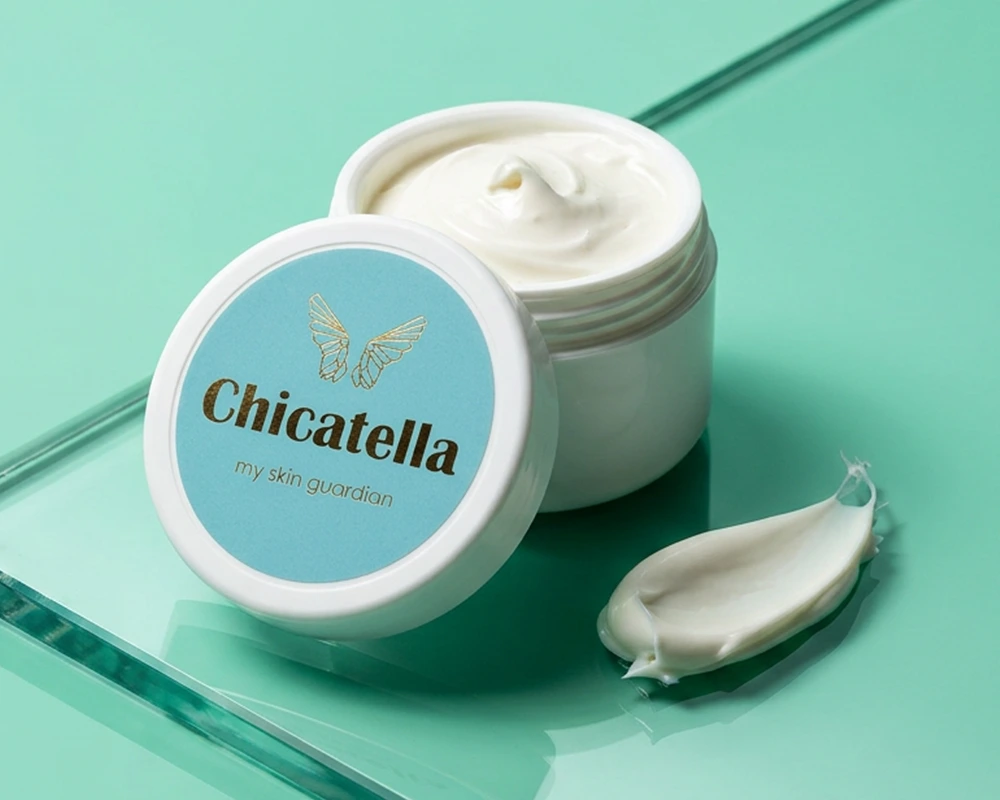
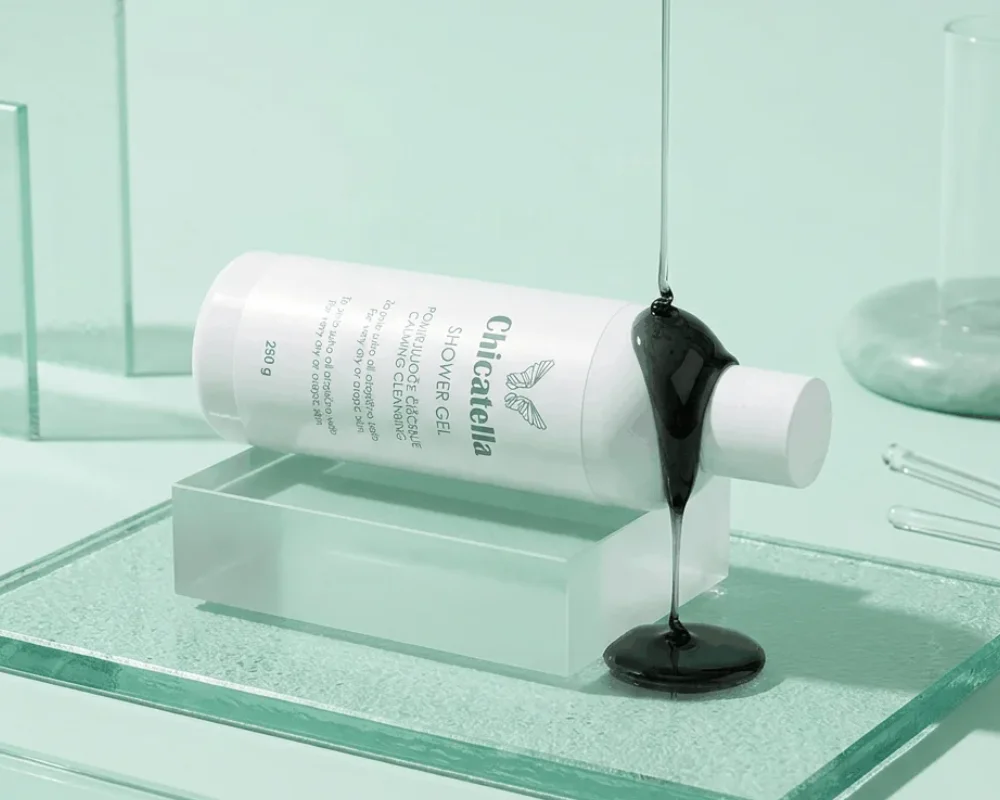
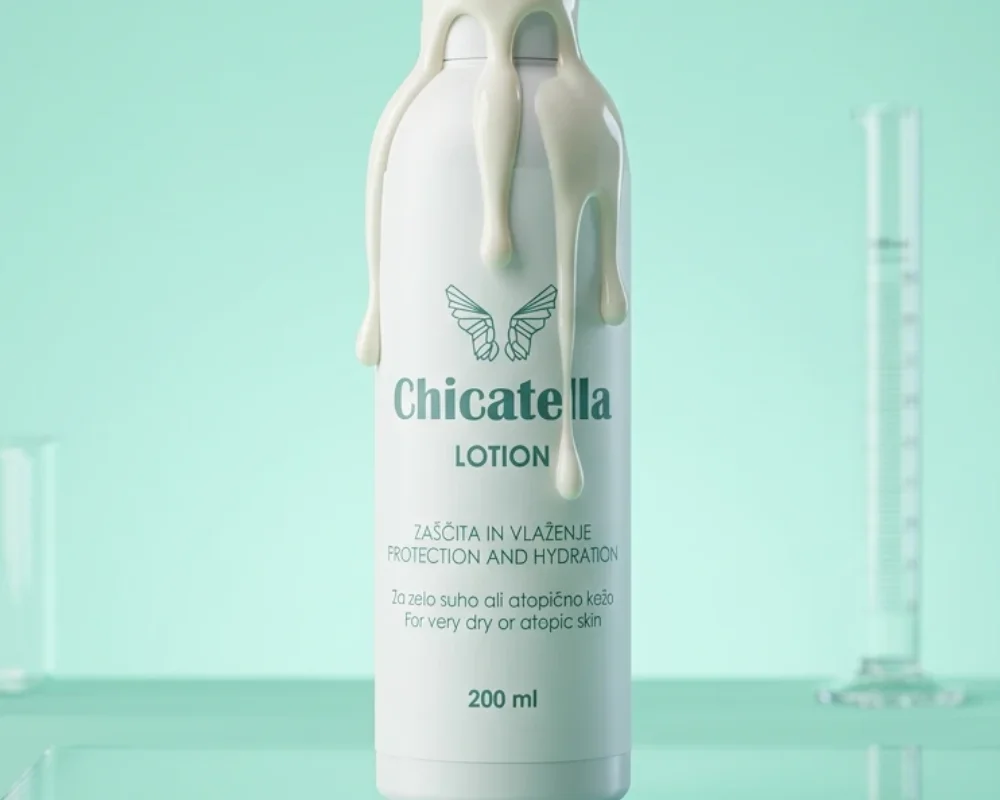
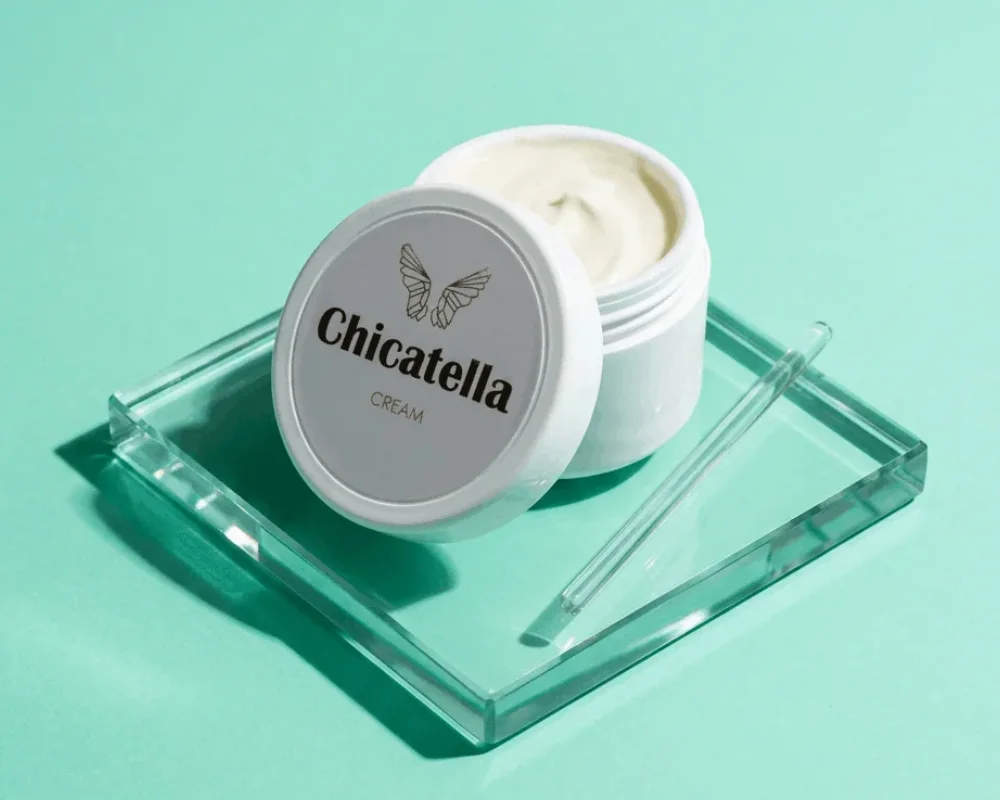
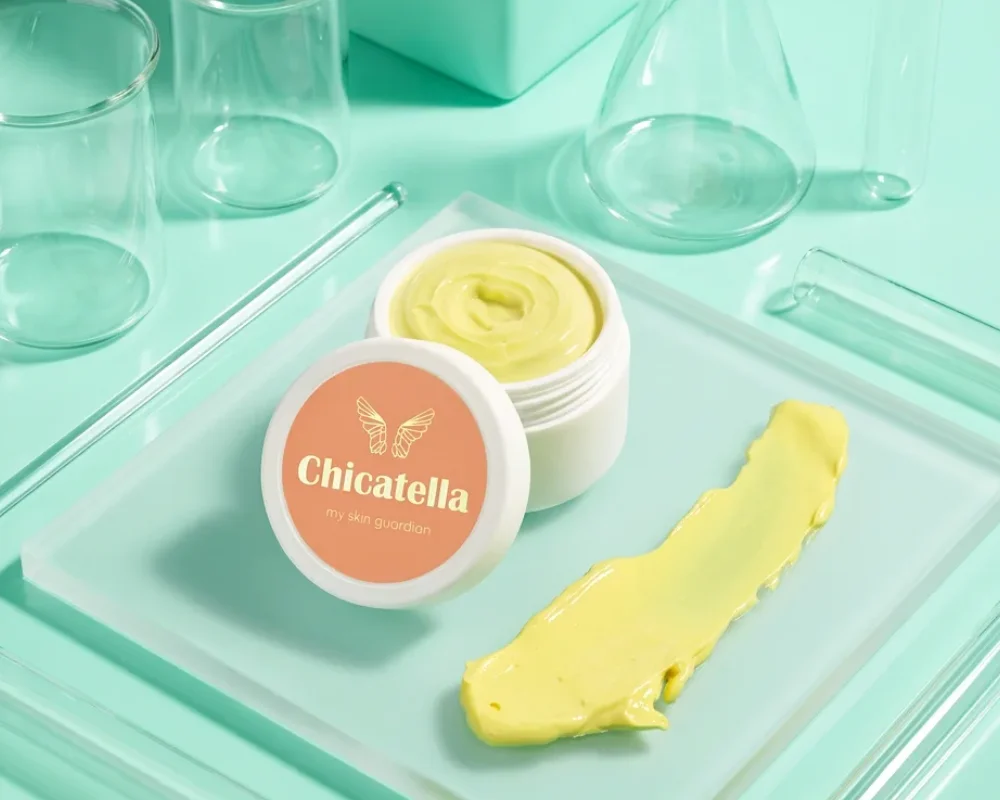
Gentle washing and care within a few minutes of a shower do the most. Shipping is free when you buy two or more products.
When skin gets water, softness and protection
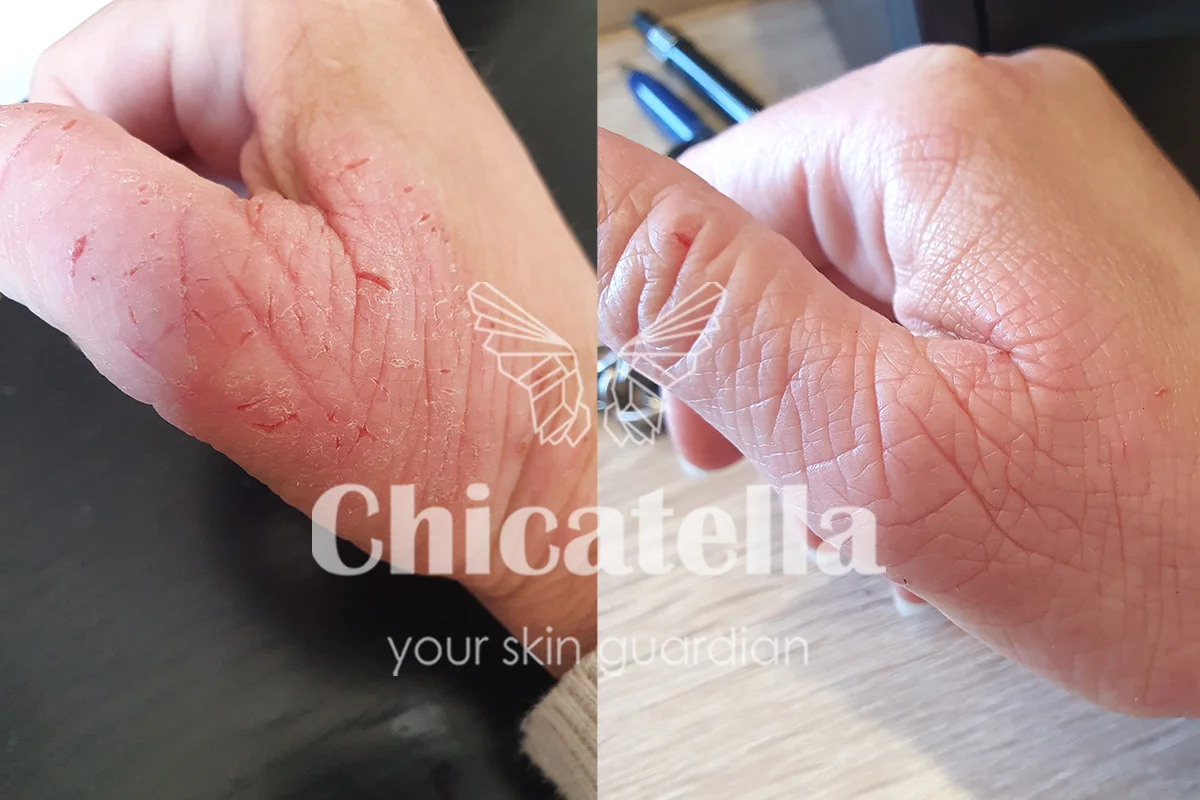
Photos sent to us by Chicatella customers.
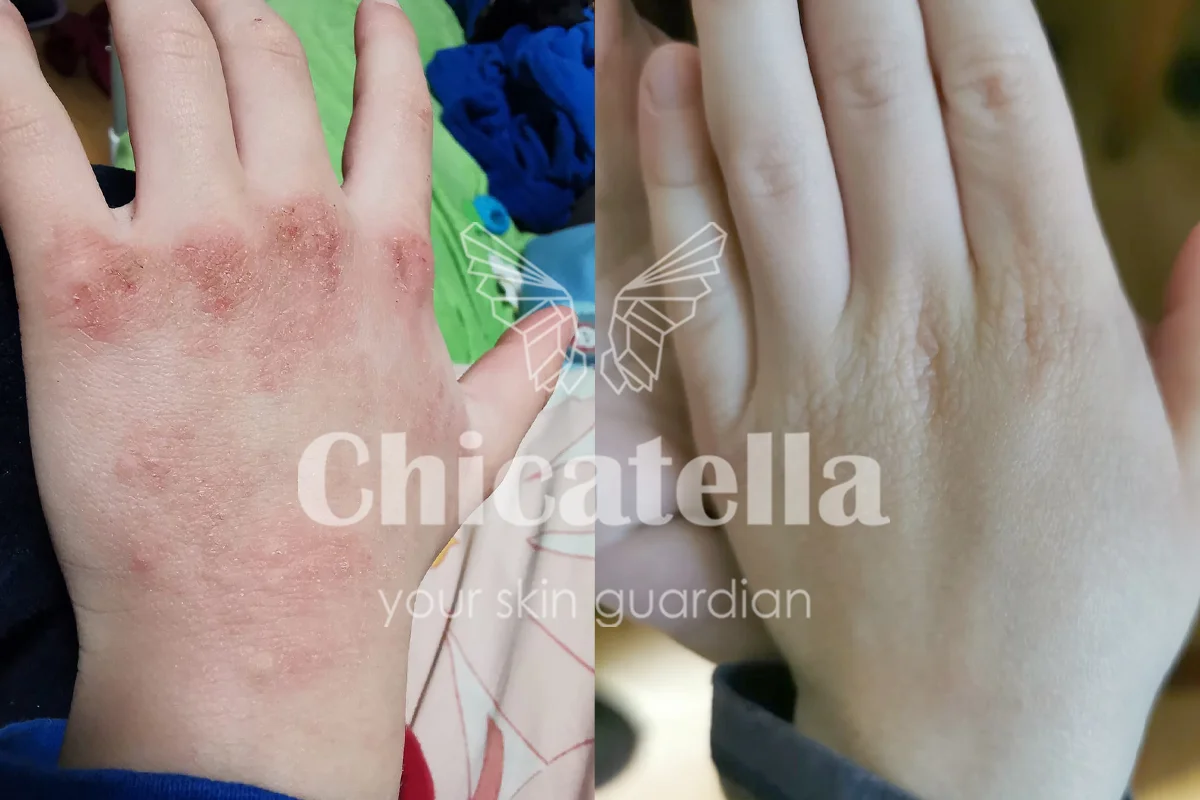
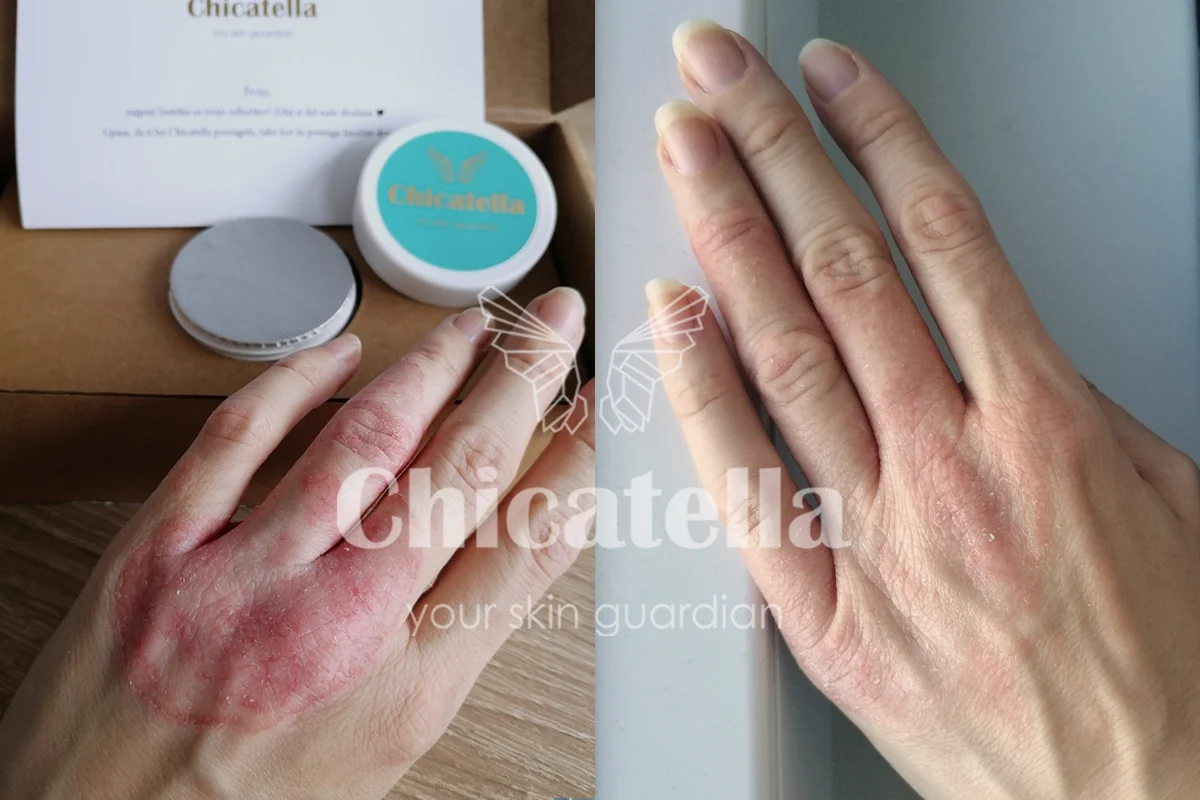
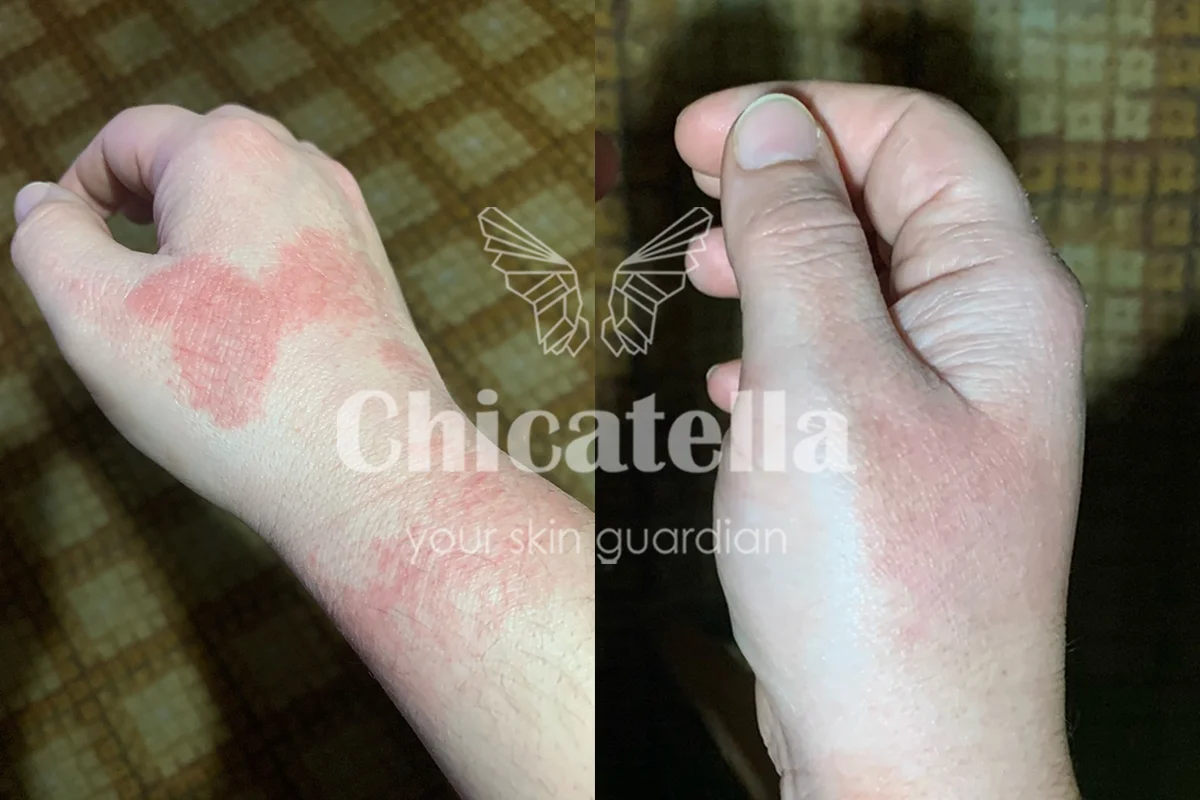
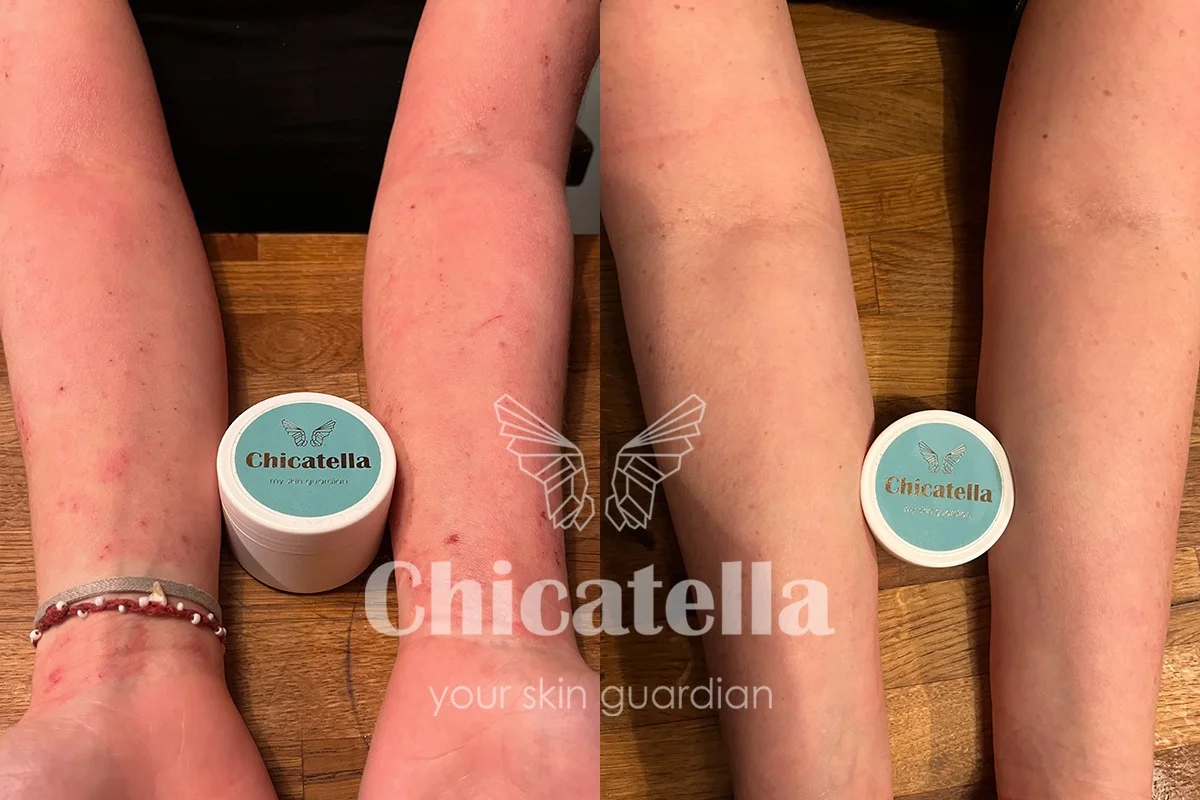
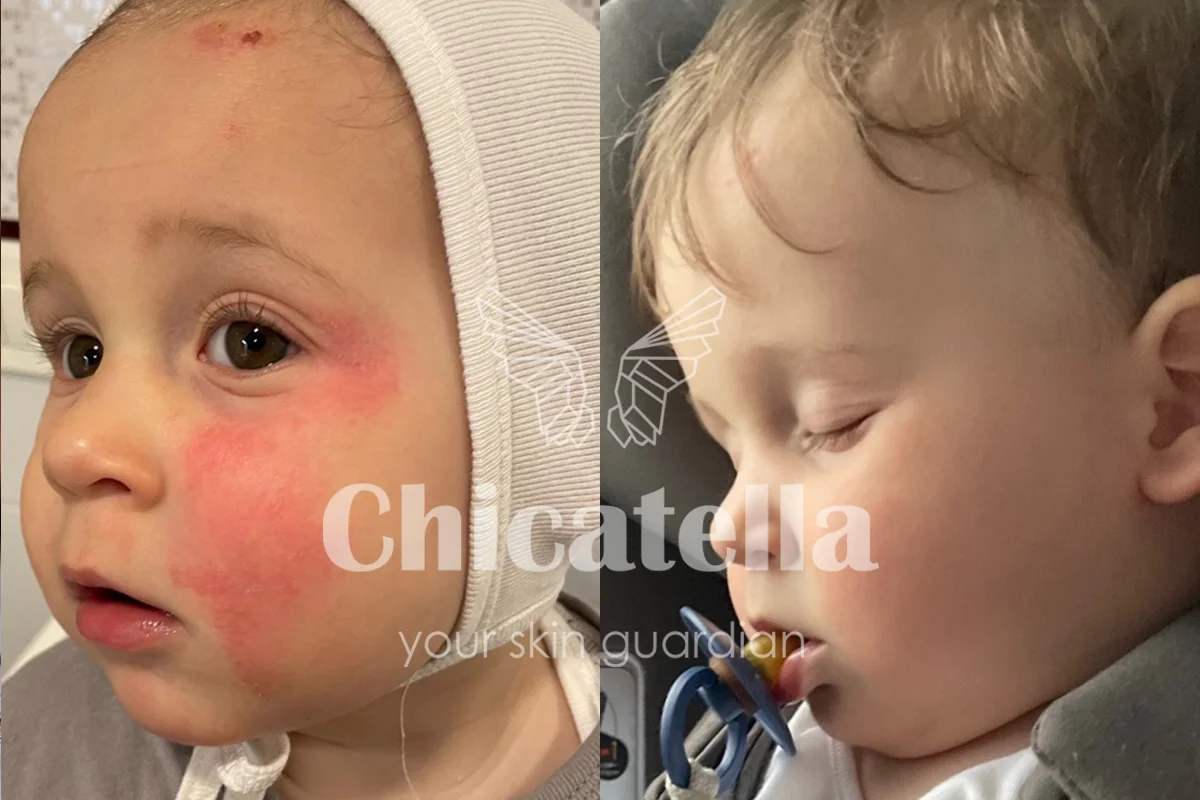
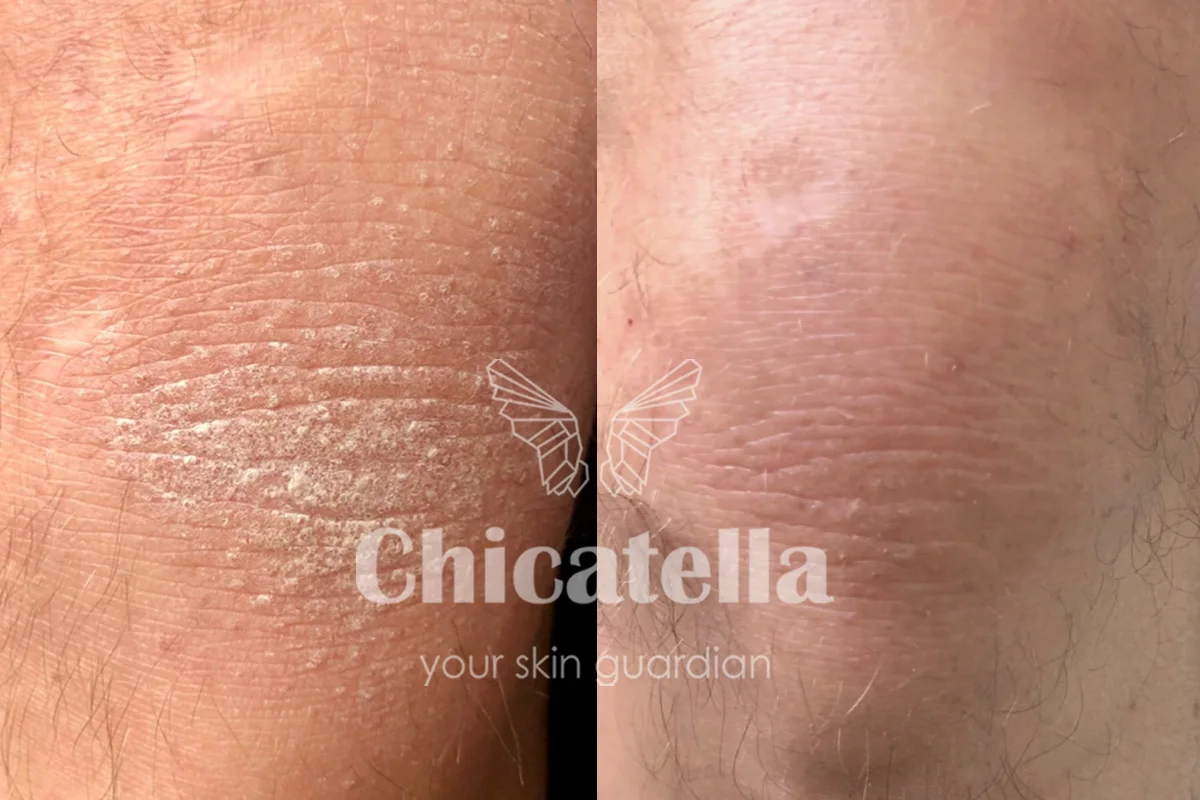
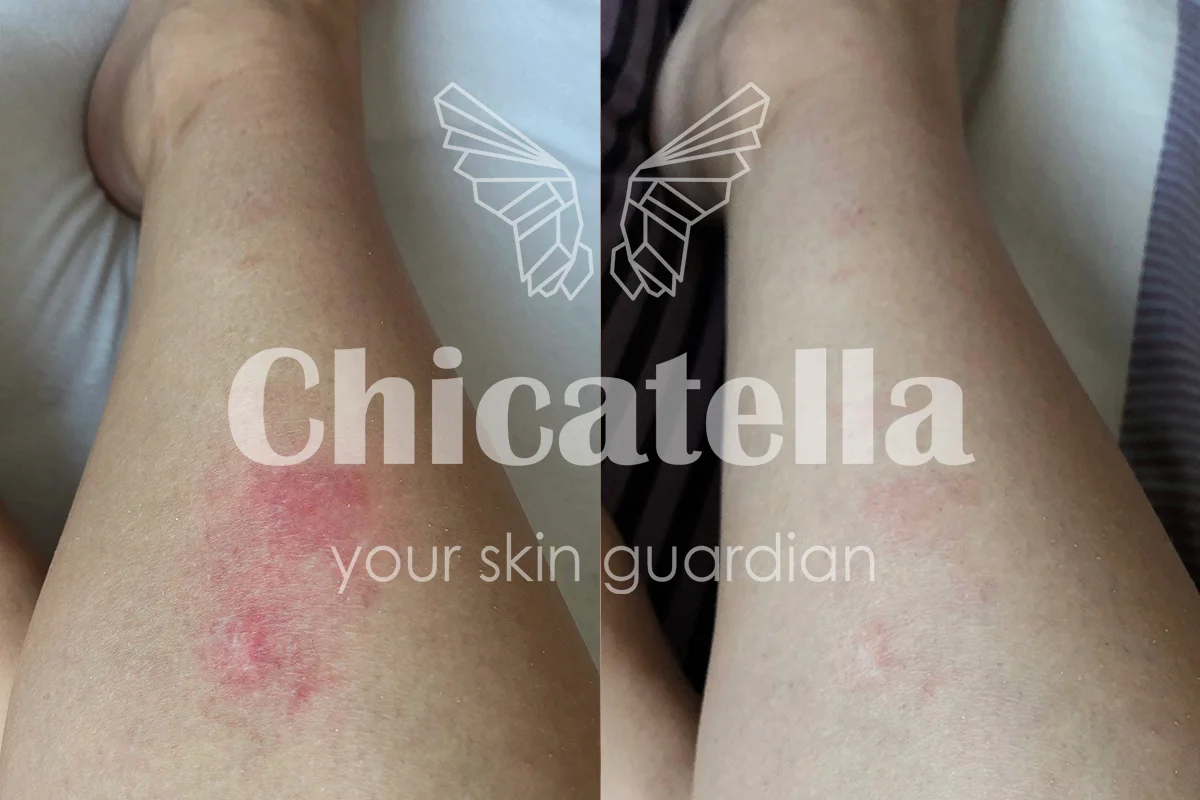
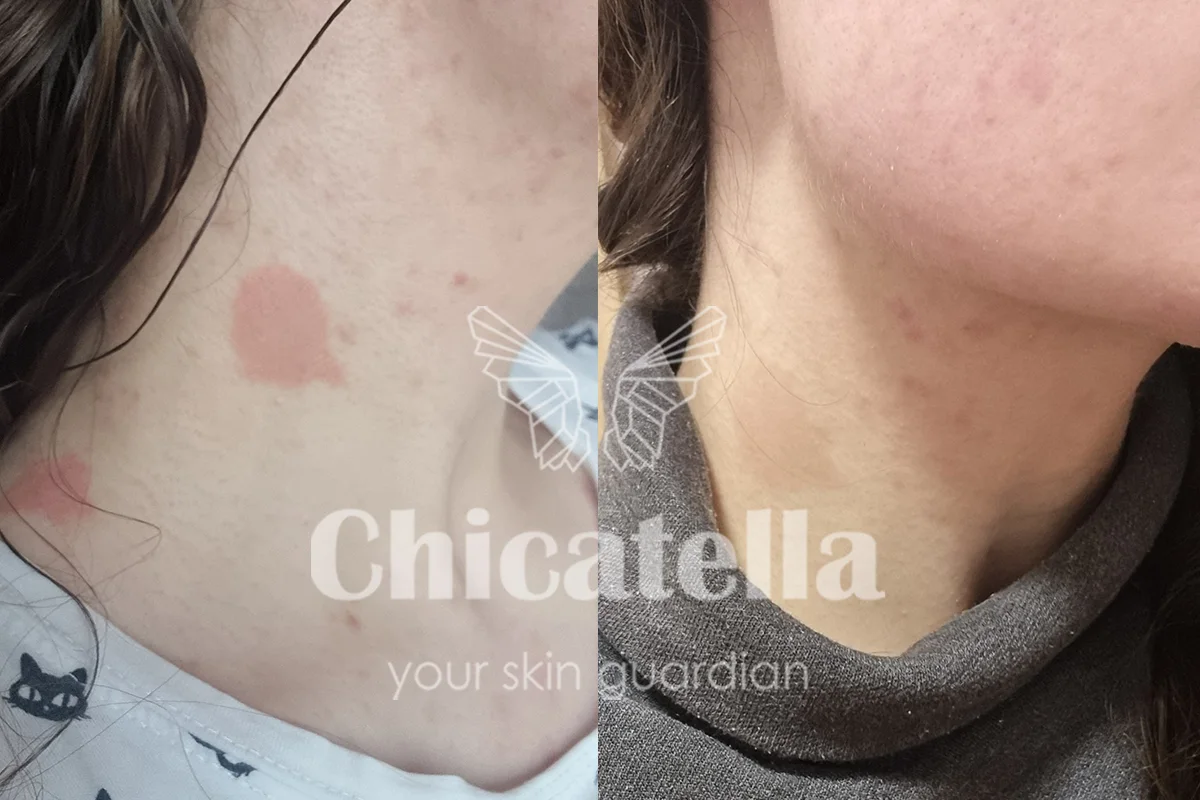
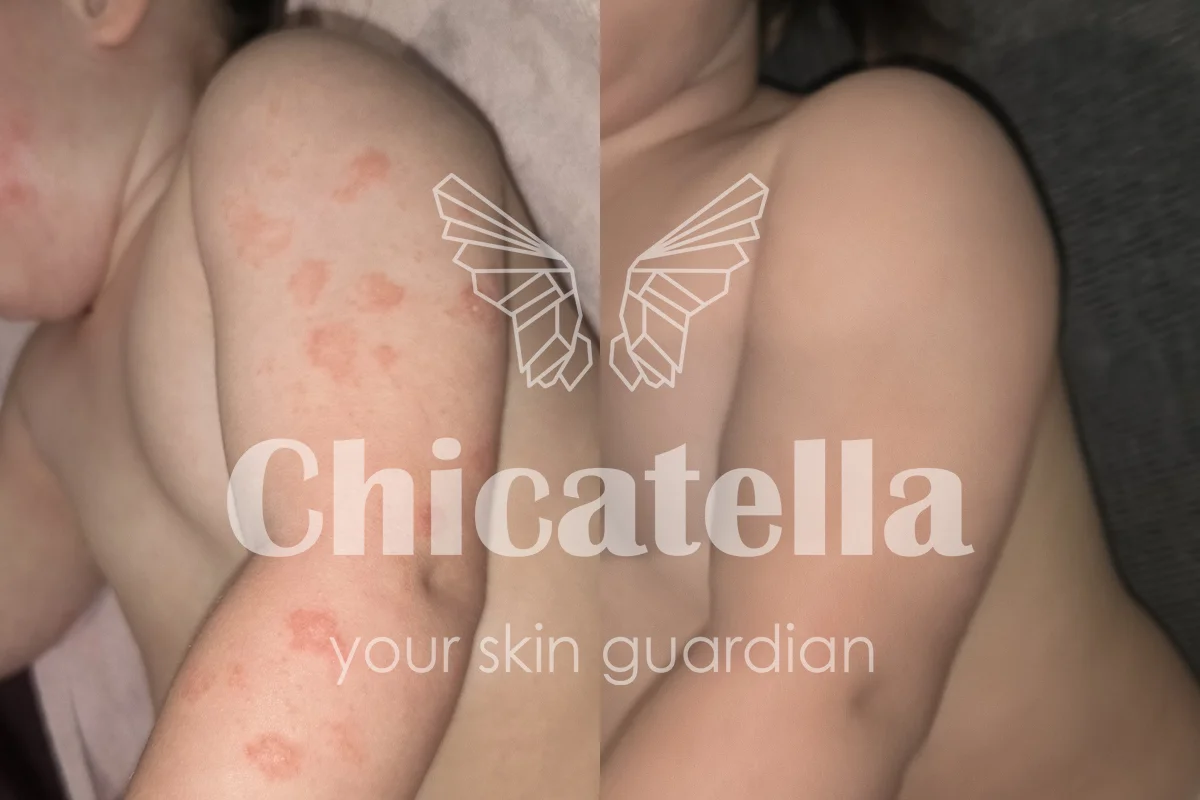
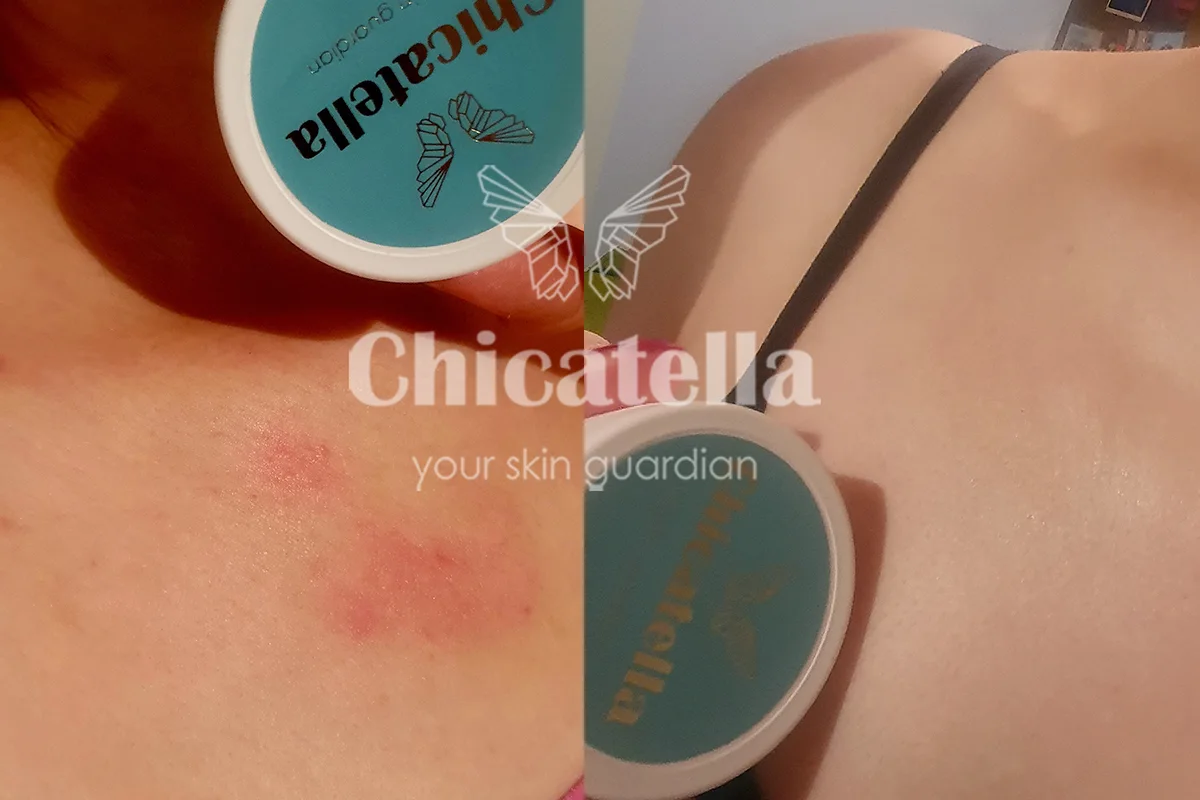
These photos show individual experiences with dry skin care. Chicatella is cosmetic care that supports the skin barrier and doesn’t treat conditions that can cause dryness. Results may vary.
Where to go next if dryness isn’t just dryness
Find the right care for your skin in three steps
No guesswork. Answer three quick questions and we’ll tell you what your skin needs.
This content is meant to help you understand your skin and everyday care. It doesn’t replace a medical exam, diagnosis or treatment. Chicatella products are cosmetic skin care products, not medicines.
- 01Dermatologists' tips for relieving dry skin. American Academy of Dermatology. ↗︎
- 02Dry skin: diagnosis and treatment. American Academy of Dermatology. ↗︎
- 03Dry skin. DermNet NZ. ↗︎
- 04Diagnosis and treatment of xerosis cutis – position paper. ↗︎
- 05Optimization of Basic Emollient Therapy for the Management of Xerosis Cutis. 2025. ↗︎
- 06A global perspective on the treatment and maintenance of xerosis. 2024. ↗︎
- 07Prevalence of xerosis cutis among older adults – systematic review and meta-analysis. ↗︎
- 08Impact of water exposure and temperature changes on skin barrier function. ↗︎
- 09Skin hydration and water loss after bathing. ↗︎
- 10Does dietary fluid intake affect skin hydration? – systematic review. ↗︎
- 11Molecular characterization of xerosis cutis – systematic review. ↗︎
- 12Natural moisturizing factors and dry skin. 2024. ↗︎
- 13Moisturizers. StatPearls, NCBI. ↗︎
- 14Moisturising lotion, skin barrier and microbiome. Sci Rep, 2022. ↗︎
- 15Skin microbiome and dermatologic disorders. JCI, 2025. ↗︎